

• HOME
  • NEWS
  • EXPLORE
    • CAREER
      • Companies
      • Jobs
    • EVENTS
    • iGEM
      • News
      • Team
    • PHOTOS
    • VIDEO
    • WIKI
  • BLOG
  • COMMUNITY
    • FACEBOOK
    • INSTAGRAM
    • TWITTER
Sunday, May 17, 2026
BIOENGINEER.ORG
No Result
View All Result
  • Login
  • HOME
  • NEWS
  • EXPLORE
    • CAREER
      • Companies
      • Jobs
        • Lecturer
        • PhD Studentship
        • Postdoc
        • Research Assistant
    • EVENTS
    • iGEM
      • News
      • Team
    • PHOTOS
    • VIDEO
    • WIKI
  • BLOG
  • COMMUNITY
    • FACEBOOK
    • INSTAGRAM
    • TWITTER
  • HOME
  • NEWS
  • EXPLORE
    • CAREER
      • Companies
      • Jobs
        • Lecturer
        • PhD Studentship
        • Postdoc
        • Research Assistant
    • EVENTS
    • iGEM
      • News
      • Team
    • PHOTOS
    • VIDEO
    • WIKI
  • BLOG
  • COMMUNITY
    • FACEBOOK
    • INSTAGRAM
    • TWITTER
No Result
View All Result
Bioengineer.org
No Result
View All Result
Home NEWS Science News Health

Risk of infection higher for patients with obesity after bypass surgery: University of…

Bioengineer by Bioengineer
February 11, 2018
in Health
Reading Time: 2 mins read
3
Share on FacebookShare on TwitterShare on LinkedinShare on RedditShare on Telegram
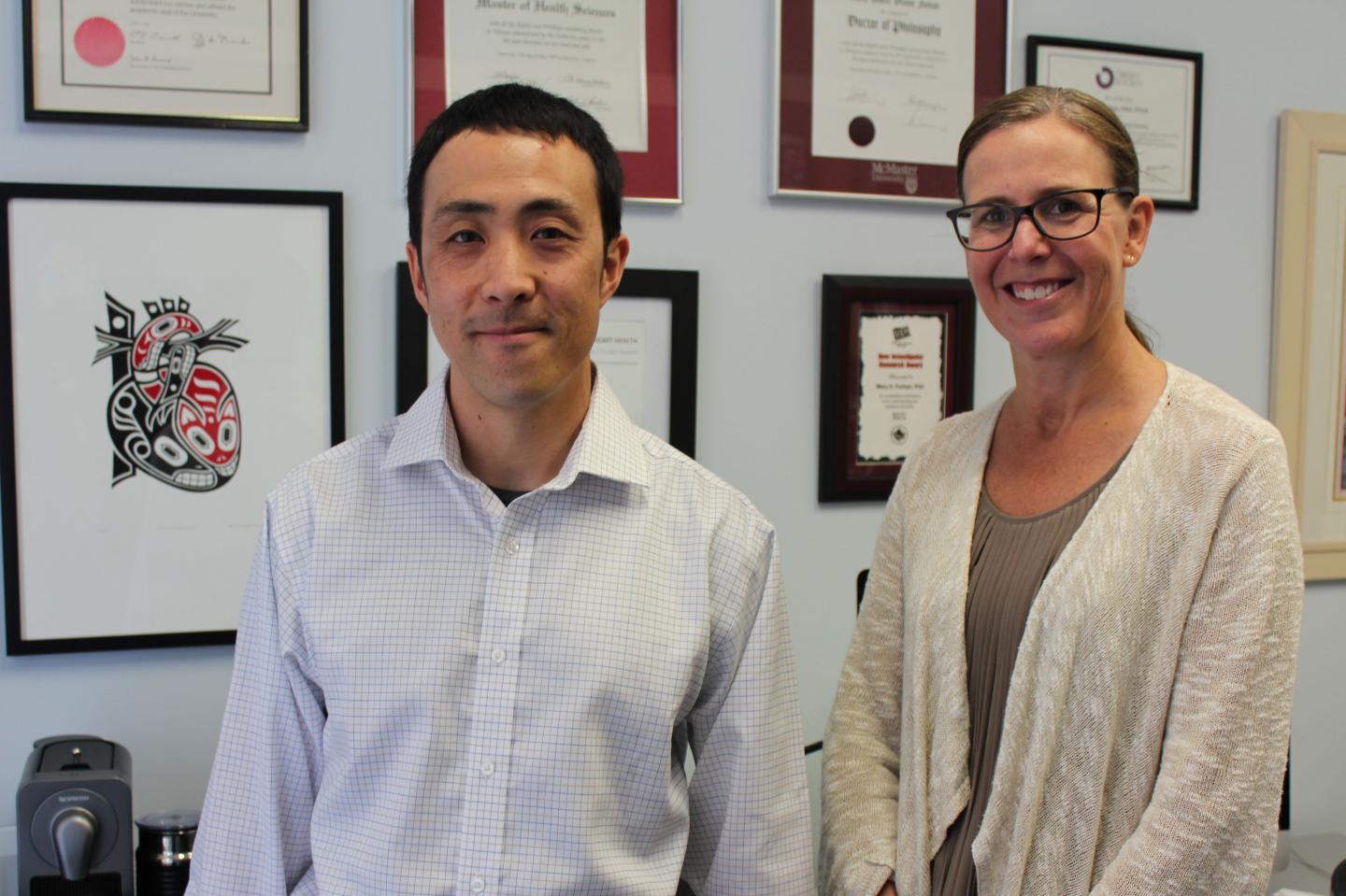
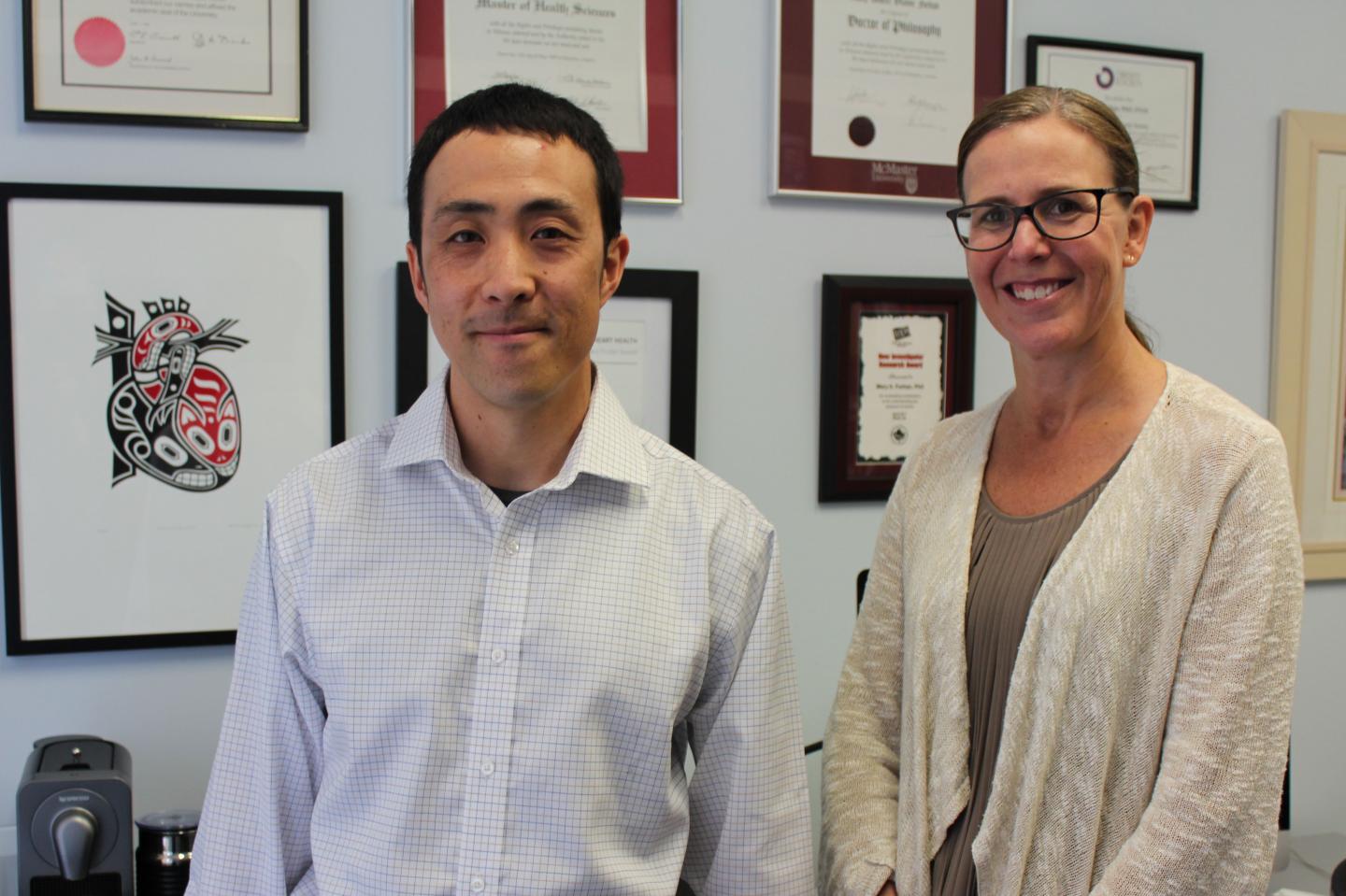
IMAGE

Credit: University of Alberta

Edmonton–Patients with obesity have a higher risk of infection within 30 days after receiving heart bypass surgery, according to a series of studies conducted by University of Alberta researchers at the Faculty of Rehabilitation Medicine.

The team analyzed data from 56,722 patients in the provincial registry to examine associations between body mass index (BMI) and various outcomes following coronary artery bypass grafting (CABG) surgery and percutaneous coronary intervention (PCI), also known as coronary angioplasty.

"Compared to patients with normal BMI, we found that patients with BMI greater than 30 were 1.9 times more likely to report infections after bypass surgery," said Tasuku Terada, a rehabilitation science postdoctoral research fellow who recently presented the series of studies at the Canadian Obesity Summit. "A better understanding is needed in order to improve clinical outcomes for patients with obesity and heart disease."

In addition, another study in the series published in the Canadian Journal of Cardiology found that 88 per cent of patients who received PCI were classified as obese, compared to 55 per cent of the patients who received CABG. PCI is a non-surgical procedure that opens up narrowed arteries in the heart due to plaque buildup. The physician places a small stent to keep the artery open and help to prevent re-narrowing.

Terada says the risk of infection following CABG may explain why patients with obesity are more likely to receive PCI.

"We need to look at why there is more infection following CABG and whether more patients with obesity are receiving PCI because they should be, or because the risk is a factor in the decision made by health-care professionals," he says.

Postsurgical infection means an increase in the length of stay at the hospital for patients, resulting in increased medical costs and use of resources. Knowing the risks and potential outcomes can help health-care providers and patients make more informed choices on treatment and better use of resources.

Mary Forhan, obesity expert and assistant professor in occupational therapy at the Faculty of Rehabilitation Medicine, believes that further investigation will help researchers develop tools to help decrease the risk of infection, and to ensure that patients are receiving proper care.

"For example, are the chest binders that are used after surgery the right size and are they working the right way?" she says. "Our team is currently looking at the re-design of postsurgical chest binders so that patients have better outcomes following bypass surgery."

###

Media Contact

Erica Yeung
[email protected]
780-863-3638
@ualberta

http://www.ualberta.ca

Original Source

https://www.ualberta.ca/rehabilitation/news/2017/june/risk-of-infection-higher-for-patients-with-obesity-after-bypass-surgery


Share12Tweet8Share2ShareShareShare2

Related Posts

Physical Resilience Linked to Aging Views in Chinese Elders

May 17, 2026

Tau T205 Phosphorylation Controls Memory and Engrams

May 17, 2026

Phocaeicola dorei Eases Liver Fibrosis via Efferocytosis

May 17, 2026

Boosting Aging Positivity and Activity in Older Couples

May 17, 2026
Please login to join discussion

POPULAR NEWS

  • Research Indicates Potential Connection Between Prenatal Medication Exposure and Elevated Autism Risk

    844 shares
    Share 338 Tweet 211
  • New Study Reveals Plants Can Detect the Sound of Rain

    730 shares
    Share 291 Tweet 182
  • Salmonella Haem Blocks Macrophages, Boosts Infection

    62 shares
    Share 25 Tweet 16
  • Breastmilk Balances E. coli and Beneficial Bacteria in Infant Gut Microbiomes

    58 shares
    Share 23 Tweet 15

About

We bring you the latest biotechnology news from best research centers and universities around the world. Check our website.

Follow us

Recent News

Noncanonical Sulfur Metabolism, Immunity Altered in Down Syndrome

Physical Resilience Linked to Aging Views in Chinese Elders

Tau T205 Phosphorylation Controls Memory and Engrams

Subscribe to Blog via Email

Enter your email address to subscribe to this blog and receive notifications of new posts by email.

Join 82 other subscribers
  • Contact Us

Bioengineer.org © Copyright 2023 All Rights Reserved.

Welcome Back!

Login to your account below

Forgotten Password?

Retrieve your password

Please enter your username or email address to reset your password.

Log In
No Result
View All Result
  • Homepages
    • Home Page 1
    • Home Page 2
  • News
  • National
  • Business
  • Health
  • Lifestyle
  • Science

Bioengineer.org © Copyright 2023 All Rights Reserved.
