


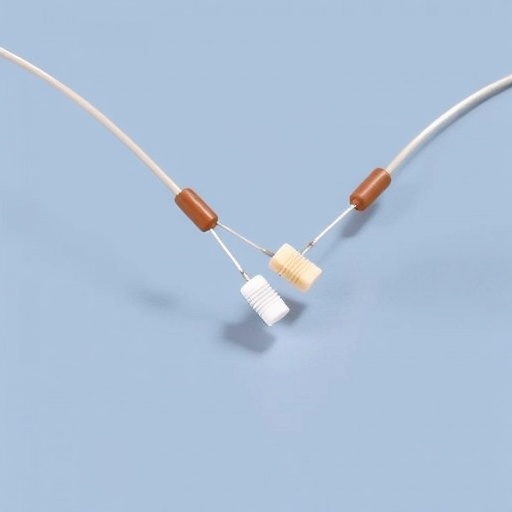
In a groundbreaking advance within the biomedical engineering domain, a recent study has introduced a novel approach that integrates diagnosis and therapeutic procedures using flexible contact electrodes. Cheng et al. delve into the synergies of low-voltage irreversible electroporation techniques and quantitative assessments of therapeutic efficacy, paving the way for more effective and patient-friendly medical interventions. This innovative research, presented in the esteemed journal Annals of Biomedical Engineering, spotlights an evolution in how we can leverage electroporation for both diagnostic and therapeutic applications.
Electroporation is the process of using electrical fields to enhance the permeability of the cell membrane. Traditionally, this technique has been associated with high-voltage applications, often raising concerns regarding tissue damage and patient safety. However, the approach taken by Cheng and colleagues seeks to redefine the parameters of electroporation by employing lower voltage environments. This modification not only minimizes risks associated with tissue damage but also improves the overall efficacy of drug delivery systems, especially for targeted therapies.
Flexible contact electrodes are at the heart of this study, facilitating a new realm of medical applications. These electrodes are designed to conform to the natural contours of the human body, thus ensuring optimal contact regardless of the anatomical complexities. Such flexibility plays a crucial role in the success of low-voltage irreversible electroporation, allowing for more consistent and effective application of the electrical fields that are central to the electroporation process.
The implications of this research extend beyond mere electroporation. A significant aspect of the study involves the quantitative assessment of therapeutic efficacy. Traditionally, evaluating the success of therapeutic procedures has often relied on subjective measures or qualitative assessments, which can lead to variability in outcomes. In contrast, the authors propose a systematic approach that utilizes specific metrics to gauge the effectiveness of treatments administered through electroporation. This shift towards quantification promises to establish clearer standards in therapeutic interventions and improve outcomes for patients undergoing these procedures.
Significantly, the findings suggest that low-voltage electroporation is particularly effective in applications such as tumor ablation and targeted drug delivery. By combining these techniques, healthcare providers can not only destroy cancerous cells effectively but also ensure that chemotherapeutic agents are delivered directly to the affected tissues. This dual-pronged approach addresses a critical gap in cancer treatment protocols, where systemic chemotherapy often leads to extensive side effects due to its non-targeted nature.
Moreover, the collaborative nature of this research underscores the importance of interdisciplinary approaches in medical science. The combination of engineering, biology, and clinical practice exemplifies how innovative solutions can emerge from the collaborative efforts of diverse expertise. Cheng and their team meticulously navigated this interdisciplinary landscape, demonstrating how engineering principles can be applied to solve complex biological challenges.
A noteworthy aspect of Cheng et al.’s study is their commitment to safety and efficiency. The use of low-voltage applications significantly reduces the risk of unintended damage to surrounding healthy tissues, a common complication with higher voltage electroporation techniques. This focus on patient safety is further emphasized by the thorough testing and clinical validation phases integrated into their research.
The researchers also underscore the potential for individualizing patient treatment plans based on the quantitative assessments derived from their methodologies. For instance, the ability to accurately gauge the efficacy of therapeutic interventions in real-time could usher in a new age of personalized medicine, where treatments can be tailored to the unique biological responses of each patient.
As the medical community seeks to balance innovation with safe practices, studies like this serve as essential cornerstones to inform future research and clinical practices. With the foundations laid by Cheng and colleagues, other researchers are encouraged to explore further enhancements and applications of low-voltage irreversible electroporation techniques. This could lead to the exploration of other conditions where accelerated healing or targeted treatment is necessary.
In the quest for better healthcare solutions, this research aligns with a wider movement towards utilizing technology to improve patient experiences. The trend of integrating advanced engineering with clinical practices highlights a transformative trajectory in the healthcare landscape, one where precision and safety coexist harmoniously.
Looking to the future, it’s evident that more work lies ahead to fully realize the implications of this technological advancement. Further clinical trials and long-term studies will be essential in solidifying the benefits of flexible contact electrodes and low-voltage electroporation. The potential applications stretch across various fields including oncology, cardiology, and regenerative medicine, reinforcing the need for comprehensive exploration of these techniques.
In conclusion, the study by Cheng et al. represents a significant step forward in both biomedical engineering and clinical therapy. By innovating within the realm of electroporation, they have not only enhanced the therapeutic landscape but have also set the groundwork for future research that could redefine patient care paradigms globally. As we stand on the brink of this exciting new frontier in medicine, we can anticipate a transformation in how we approach diagnosis and treatment for numerous conditions, ultimately leading us towards a more effective and humane healthcare system.
Subject of Research: Integrated Diagnosis and Therapy Using Flexible Contact Electrodes, Low-Voltage Irreversible Electroporation, and Quantitative Assessment of Therapeutic Efficacy.
Article Title: Integrated Diagnosis and Therapy Using Flexible Contact Electrodes: Low-Voltage Irreversible Electroporation and Quantitative Assessment of Therapeutic Efficacy.
Article References: Cheng, Y., Cheng, B., Li, J. et al. Integrated Diagnosis and Therapy Using Flexible Contact Electrodes: Low-Voltage Irreversible Electroporation and Quantitative Assessment of Therapeutic Efficacy. Ann Biomed Eng (2026). https://doi.org/10.1007/s10439-025-03935-4
Image Credits: AI Generated
DOI: https://doi.org/10.1007/s10439-025-03935-4
Keywords: Electroporation, Flexible Contact Electrodes, Therapeutic Efficacy, Biomedical Engineering, Personalized Medicine, Cancer Treatment.
Tags: biomedical engineering advancementselectrical fields in medicineenhancing cell membrane permeabilityflexible electrodes for electroporationflexible medical devicesinnovative drug delivery systemslow-voltage electroporation techniquesminimizing tissue damage in electroporationnovel diagnostic and therapeutic approachespatient-friendly medical interventionstargeted therapy improvementstherapeutic efficacy assessment



