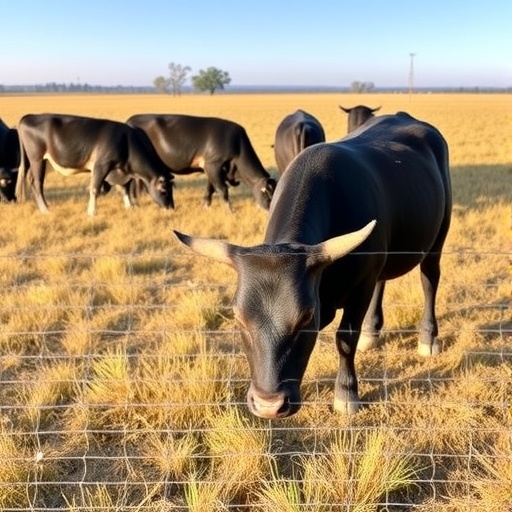
Throughout history, farming has often been synonymous with labor-intensive processes that dictate the rhythm of a farmer’s day. One of the most arduous tasks has historically been the management of physical fencing required for livestock. Farmers have dedicated countless hours to building and maintaining fences to direct their animals to fresh grazing areas. This traditional approach not only consumes labor but also restricts a farmer’s ability to respond to changes in weather and pasture availability. Fortunately, cutting-edge technology from the University of Missouri is poised to revolutionize this aspect of farming through an innovative virtual fencing system.
With a substantial investment of $900,000 from the National Fish and Wildlife Foundation, a groundbreaking initiative is currently being tested by a select group of Missouri farmers. This high-tech solution revolves around GPS-enabled collars and a user-friendly mobile app designed to guide livestock using auditory cues and mild electric feedback. As a result, the need for physical barriers like traditional posts and wires is eliminated, significantly reducing the toil traditionally associated with livestock management. This shift toward smarter grazing techniques promises healthier pastures and grants farmers the luxury of time to focus on other critical aspects of their operations.
Under the leadership of Kaitlyn Dozler, the manager of Mizzou’s Virtual Fence Program, this pioneering three-year project is partnered with Rob Myers, an esteemed professor at the College of Agriculture, Food and Natural Resources. The initiative primarily caters to Missouri farmers, specifically those utilizing cover crops—plants deemed essential for protecting and enriching soil during off-seasons when cash crops are not being cultivated. This focus ensures that the technological advancements being introduced align with the unique needs and practices of local agricultural communities.
Life-changing benefits emerge from this virtual fencing technology. Farmers often find themselves grappling with the challenges posed by extreme weather, compelling them to frequently adjust their physical fences. The introduction of virtual fencing alleviates this burden. Farmers can simply check their mobile devices at any time to monitor livestock locations. Dozler recounted one producer’s experience, highlighting her newfound ability to take a vacation after five long years, relieved by the knowledge that she could easily track her goats from her smartphone.
The project is operating with five livestock producers who have begun integrating the equipment into their farming systems. Four producers have opted to collar their cattle, while the fifth producer has chosen to collar sheep. So far, the feedback from these farmers has been overwhelmingly positive, as they not only appreciate the convenience of modern technology but also plan to share these insights with fellow farmers at significant events such as the forthcoming Missouri Cattle Industry Convention and Trade Show in 2026.
In a broader context, the producers involved in this project exemplify the collaborative spirit that the initiative seeks to promote. Chris Hudson, a farmer from Middletown, Missouri, has incorporated the technology by collaring 50 of his cattle. The results have been remarkable; Hudson has reported a dramatic increase in grazing efficiency, observing a leap from 90 grazing days per acre under traditional systems to an astounding 170 days per acre with virtual fencing. This improvement translates to nearly doubling the productivity of his land, demonstrating the capability of this innovative solution to enhance farm efficiency substantially.
Beyond just improving productivity, the virtual fencing technology provides invaluable peace of mind to farmers concerned about the whereabouts of their livestock. The mobile app allows Hudson to monitor each animal’s location in real time. A notable incident unfolded when he was alerted via the app that one of his pregnant cows had separated from the group. This timely information enabled him to coordinate a quick check-up without interrupting his daily activities—a prime testament to the convenience afforded by this new technology.
Dozler emphasized that the most rewarding aspect of virtual fencing lies in the quality of life improvements it offers. A common concern for farmers involves the anxiety of livestock escaping, particularly during significant life events, such as attending a child’s sports game. Instead of hastily returning home to verify their livestock’s safety, farmers can effortlessly confirm their virtual fence’s status and monitor their animals’ location right from their phones. This flexibility is not only a functional enhancement but also significantly enriches the personal lives of the farmers who adopt the technology.
This project embodies the mission of the University of Missouri as a land-grant institution, addressing practical agricultural challenges through innovative research and cooperative efforts. The synergy among faculty, MU Extension personnel, and the Center for Regenerative Agriculture facilitates the delivery of state-of-the-art solutions to farmers who stand to gain from such advancements. While virtual fencing is not intended to replace perimeter fencing entirely, it offers considerable advantages for rotational grazing practices—a clear indication that technology can complement traditional methods while redefining the agricultural landscape.
As the trial phase continues, the project is garnering attention, not only for its technological ingenuity but also for its potential to reshape pastoral farming in Missouri and beyond. By sharing positive testimonials from early adopters, Mizzou aims to motivate more farmers to consider incorporating this technology into their operations. Dozler’s aspiration is to elevate the University of Missouri’s profile within the agricultural technology sector, effectively showcasing the transformative capabilities of virtual fencing for livestock producers.
Moreover, the success of projects like these is indicative of a broader trend in agriculture, where innovation meets sustainability. The ability to foster agricultural practices that are both efficient and environmentally conscious will be crucial as the farming sector faces increasing pressures from climate change, population growth, and resource management challenges. By embracing technology like virtual fencing, farmers can not only improve their productivity but also contribute to the overarching goal of sustainable agriculture.
In conclusion, the introduction of virtual fencing technology marks a significant shift in farm management practices. It holds the promise of transforming the way livestock are managed while simultaneously freeing farmers from the perennial physical labor associated with traditional fencing methods. As more farms begin to adopt this cutting-edge solution, the potential for revitalizing the agricultural sector become increasingly tangible, setting a new standard for efficiency and ease in livestock management.
Subject of Research: Virtual Fencing Technology in Agriculture
Article Title: Revolutionizing Livestock Management: The Future of Virtual Fencing
News Publication Date: October 2023
Web References: University of Missouri, National Fish and Wildlife Foundation
References: Mizzou Agriculture, MU Extension
Image Credits: Credit: University of Missouri
Keywords
Virtual Fencing, Agriculture Technology, Livestock Management, Regenerative Agriculture, Sustainable Agriculture, GPS Technology, Cover Crops, Farming Innovation, Missouri Agriculture.
Tags: agricultural technology advancementsanimal behavior modificationdigital agriculture toolsfarm labor efficiencyGPS livestock managementinnovative farming solutionslivestock welfare improvementsmodern farming challengespasture management strategiessustainable grazing practicesUniversity of Missouri researchvirtual fencing technology