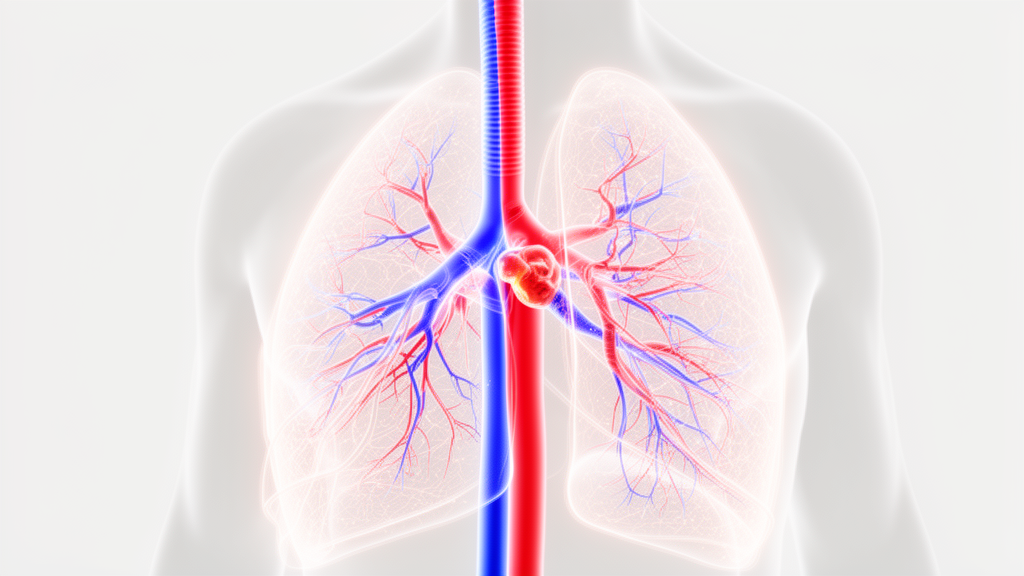
A comprehensive narrative review published in Frontiers in Cardiovascular Medicine provides a detailed framework for managing acute pulmonary embolism and its long-term sequelae. The study, authored by researchers from the Victor Babeș University of Medicine and Pharmacy in Timișoara, Romania, synthesizes current clinical guidelines and recent randomized trial data to address the complex transitions of care required after hospital discharge. The authors argue that pulmonary embolism should be viewed not merely as an acute event, but as a longitudinal episode of care that extends well beyond the initial survival period. By comparing the 2019 European Society of Cardiology (ESC) guidelines with the 2026 American Heart Association/American College of Cardiology (AHA/ACC) multisociety guideline, the review highlights both areas of convergence and significant divergences in risk stratification and therapeutic decision-making.
The review identifies a critical gap in current medical practice: the management of patients after they have survived the initial acute phase. While acute treatment protocols are well-established, the follow-up period is often fragmented, leading to delayed diagnoses of chronic conditions such as chronic thromboembolic pulmonary hypertension (CTEPH). The authors propose an integrated pathway that links acute-phase decisions to longitudinal follow-up, emphasizing the need for a structured approach to identify patients who may develop post-PE syndrome. This syndrome is characterized by persistent dyspnea, reduced exercise capacity, or impaired quality of life that persists for at least three months after adequate anticoagulation therapy.
A central focus of the review is the comparison between the European and American risk frameworks. The 2026 AHA/ACC guideline has replaced the traditional massive and submassive terminology with five clinical categories, labeled A through E. This new framework introduces specific subcategories, such as category D, which identifies incipient cardiopulmonary failure in patients who are not yet in full shock. The review notes that while the ESC model reserves high-risk classification for patients with cardiac arrest or persistent hypotension, the AHA/ACC framework recognizes a threatened group of patients with normotensive shock, defined by markers such as elevated lactate or altered mentation. This distinction is clinically significant because it may influence the timing and type of reperfusion therapy offered to these patients.
The evidence for acute reperfusion strategies has evolved significantly with the publication of recent randomized controlled trials. The review details the findings of the HI-PEITHO trial, which demonstrated that ultrasound-facilitated catheter-directed thrombolysis reduced a 7-day composite outcome of death, decompensation, or recurrence in intermediate-high-risk patients. Specifically, the composite outcome occurred in 4.0% of the treatment group compared to 10.3% in the control group. However, the authors emphasize that this benefit was driven by a reduction in cardiorespiratory decompensation rather than a survival advantage. No intracranial hemorrhage was observed in the treatment group, and the long-term functional outcomes of this intervention remain to be fully established in ongoing follow-up studies.
For most patients, anticoagulation remains the cornerstone of treatment, with direct oral anticoagulants (DOACs) preferred over vitamin K antagonists due to a more favorable bleeding profile. The review cites meta-analyses showing that DOACs reduce the risk of major bleeding and intracranial hemorrhage without compromising efficacy in preventing recurrent venous thromboembolism. The choice of anticoagulant must be tailored to individual patient factors, including renal function, cancer status, and the presence of antiphospholipid syndrome. In patients with active cancer, for example, factor Xa inhibitors have shown non-inferiority to low-molecular-weight heparin for recurrence, though bleeding risks vary depending on the specific tumor site and type.
The review proposes a minimum discharge bundle to ensure safe transitions of care. This bundle should specify the anticoagulant drug, dose, anticipated duration, and the provoking context of the embolism. It also includes a plan for bleeding mitigation and a named clinician responsible for follow-up. The authors recommend early clinical contact within one week of discharge and a structured review at approximately three months. This structured review is crucial for assessing the need for extended anticoagulation and for screening for chronic thromboembolic disease. The review highlights that up to half of survivors report persistent symptoms, making a standardized follow-up protocol essential for identifying those who require further investigation.
Diagnosing chronic thromboembolic pulmonary hypertension requires a phenotype-directed evaluation rather than routine imaging of all survivors. The review recommends that patients with persistent symptoms undergo echocardiography, ventilation/perfusion scintigraphy, and cardiopulmonary exercise testing. V/Q scintigraphy is particularly important as it has a high sensitivity for detecting the mismatched perfusion defects characteristic of CTEPH. Right-heart catheterization is required to confirm the diagnosis using the 2022 hemodynamic definitions, which include a mean pulmonary arterial pressure greater than 20 mmHg and a pulmonary vascular resistance greater than 2 Wood units. Early referral to an expert center is recommended for patients with confirmed CTEPH, where treatment options such as pulmonary endarterectomy, balloon pulmonary angioplasty, and medical therapy can be combined.
The review also addresses the role of catheter-directed interventions in high-risk patients where systemic thrombolysis is contraindicated. Mechanical thrombectomy is generally preferred in these cases because it allows for immediate thrombus removal without the exposure to fibrinolytic agents. The authors note that while observational data suggest better outcomes when extracorporeal membrane oxygenation is combined with definitive reperfusion, no randomized data exist to support this practice. The decision to use these advanced therapies should be made by a multidisciplinary pulmonary embolism response team, which can assess the patient’s hemodynamic status, thrombus mobility, and local expertise.
Limitations of the current evidence base are acknowledged, particularly regarding the long-term benefits of catheter-directed interventions. The HI-PEITHO trial, while showing a reduction in early decompensation, did not demonstrate a mortality benefit, and its findings may not generalize to all intermediate-risk patients. The review identifies several ongoing trials, including PEITHO-3 and PEERLESS II, which aim to clarify the net clinical benefit of these interventions. Additionally, the definition of post-PE syndrome remains inconsistent across studies, which complicates the comparison of prevalence rates and the evaluation of therapeutic interventions for this condition.
In conclusion, the review provides a practical framework for the integrated management of pulmonary embolism. It emphasizes the importance of risk stratification, the appropriate use of reperfusion therapies, and the need for structured long-term follow-up. By bridging the gap between acute care and chronic disease management, the proposed pathway aims to improve outcomes for patients who survive the initial event but face the challenge of persistent symptoms and chronic complications. The authors suggest that future research should focus on validating dynamic risk models and developing phenotype-targeted rehabilitation programs to address the diverse needs of post-PE patients.
The diagnostic pathway for pulmonary embolism begins with an explicit estimation of clinical probability, a step that determines whether advanced imaging is necessary. In patients with low or intermediate pre-test probability, a negative highly sensitive D-dimer test can safely exclude the diagnosis. The review highlights the utility of age-adjusted D-dimer thresholds, which increased the proportion of patients aged 75 years and older in whom pulmonary embolism could be excluded from 6.4% to 29.7%, while maintaining a three-month failure rate of only 0.3%. Furthermore, the YEARS strategy, which combines specific clinical items with probability-adapted D-dimer thresholds, avoided computed tomography pulmonary angiography in 48% of patients. This approach is particularly valuable in reducing radiation exposure and contrast use, although a positive D-dimer remains nonspecific in the context of hospitalization, cancer, or advanced age.
For the majority of eligible adults, direct oral anticoagulants are preferred over vitamin K antagonists due to a more favorable safety profile. A meta-analysis of phase 3 trials indicated that direct oral anticoagulants reduced the risk of major bleeding by 39% and intracranial hemorrhage by 63% compared to vitamin K antagonists, without compromising efficacy in preventing recurrent venous thromboembolism. In the randomized COBRRA trial, apixaban was associated with lower rates of clinically relevant bleeding during the first three months of treatment compared to rivaroxaban, with rates of 3.3% versus 7.1%. However, drug selection must account for individual patient factors, such as renal function and the presence of active cancer. In patients with cancer-associated venous thromboembolism, factor Xa inhibitors were non-inferior or superior to dalteparin for recurrence, but edoxaban and rivaroxaban increased gastrointestinal and genitourinary bleeding in patients with luminal tumors, whereas apixaban did not significantly increase major bleeding.
The decision to continue anticoagulation beyond the initial three-month period depends on the provoking context of the embolism. After a first unprovoked venous thromboembolism, the cumulative risk of recurrence after stopping anticoagulation is approximately 10% at one year and 25% at five years. A major transient provoking factor, such as major surgery, supports discontinuation after three months, whereas unprovoked pulmonary embolism or persistent risk factors favor extended therapy. Reduced-dose direct oral anticoagulants offer a balance between efficacy and bleeding risk for long-term management. In the AMPLIFY-EXT trial, apixaban 2.5 mg twice daily reduced the risk of recurrent venous thromboembolism or venous thromboembolism-related death to 1.7%, compared to 8.8% with placebo, while maintaining similar rates of major bleeding. This approach allows for a tailored strategy that minimizes the risk of bleeding while addressing the long-term threat of recurrence.
Rehabilitation plays a crucial role in addressing the persistent symptoms that affect a significant portion of survivors. The evidence for rehabilitation consists of small randomized trials with heterogeneous populations and inconsistent results. In a randomized trial of 211 patients with persistent dyspnea six to 72 months after pulmonary embolism, eight weeks of supervised exercise training improved disease-specific quality of life and incremental shuttle walk distance. Conversely, a physiotherapist-guided home-based program did not significantly improve physical capacity compared with usual care in a different trial of 140 unselected patients. These findings suggest that rehabilitation should be targeted to symptomatic patients after the exclusion of chronic thromboembolic pulmonary hypertension, rather than being offered indiscriminately. Addressing fear of recurrence and dysfunctional breathing is an integral part of the recovery process, and early ambulation is considered reasonable for stable patients.
Subject of Research: Integrated management of acute pulmonary embolism and post-PE syndrome
Article Title: Integrated management of acute pulmonary embolism and the post-pulmonary embolism syndrome: risk stratification, modern therapies, and long-term follow-up
Article References: Craciun, M.-L., Avram, C. A., Pah, A.-M., Crisan, S., Mateescu, D.-M., Cotet, I., Vacarescu, C., Patru, O., & Rada, M. (2026). Integrated management of acute pulmonary embolism and the post-pulmonary embolism syndrome: risk stratification, modern therapies, and long-term follow-up. Frontiers in Cardiovascular Medicine, 13, Article 2002611. https://doi.org/10.3389/fcvm.2026.2002611
Image Credits: AI Generated
DOI: 10.3389/fcvm.2026.2002611
Keywords: pulmonary embolism, risk stratification, catheter-directed intervention, anticoagulation, CTEPH, cardiovascular medicine, clinical guidelines, long-term follow-up, Integrated, management, acute, pulmonary
News Source: Ophelia Keating. (November 10, 2026). Review Maps New Pathways for Pulmonary Embolism Care. Scienmag.