Contemporary orthodontic practice has undergone a profound technological transformation through intraoral scanning, computer-aided design and manufacturing, and clear aligner systems, yet computer simulations of tooth displacement frequently fail to match the actual clinical movements observed in patients. A comprehensive narrative review conducted by orthodontic researcher Ahmed A. Alsulaiman and published in The Saudi Dental Journal critically examined the underlying causes of this persistent clinical discrepancy, identifying a fundamental biology-digital mismatch as the primary driver. Current virtual planning platforms operate predominantly on geometric and algorithm-based models that treat teeth as rigid bodies moving along standardized, linear pathways in predetermined increments of approximately 0.2 millimeters or 2 degrees of rotation per aligner. In stark contrast, actual orthodontic tooth movement represents a complex, nonlinear biological process governed by alveolar bone turnover, periodontal ligament remodeling, intracellular signaling pathways, and substantial patient-specific variability that standard digital software packages are not designed to simulate.
To evaluate the scope and mechanisms of this planning gap, the review utilized a structured search across PubMed, Scopus, and Google Scholar for peer-reviewed studies published up to May 2026. The search strategy combined terms regarding clear aligners and digital orthodontics with keywords targeting movement accuracy, biomechanics, periodontal biology, and bone remodeling. Out of 1,281 identified records, 733 duplicates were removed, leaving 548 records for initial title and abstract screening. Following the exclusion of 517 non-qualifying records, 31 full-text publications were retrieved and evaluated against eligibility criteria focused on quantifying or classifying clear aligner movement discrepancies. Six studies met all core eligibility criteria to form the central evidence synthesis, complemented by 23 targeted publications addressing specialized subtopics such as mechanobiology, attachment geometry, overcorrection protocols, and artificial intelligence, yielding a comprehensive evidence base of 29 cited studies. This narrative framework sought to construct an evidence-informed explanatory model explaining why digital simulations deviate from biological expression.
The synthesized evidence demonstrates that orthodontic movements exhibit a distinct, hierarchical distribution of predictability, which literature categorizes into three well-defined clinical tiers based on the percentage of planned movement achieved in vivo. Movements categorized within the high predictability tier achieve more than 75 percent of their digitally prescribed movement, with maxillary arch expansion and maxillary buccal segment distalization consistently performing at this level. In the intermediate tier, representing movements that achieve between 50 and 75 percent predictability, clinicians observe incisor crown rotations and mesiodistal angulation changes. The lowest predictability tier encompasses movements that achieve less than 50 percent of the planned displacement, including root torque, bodily intrusion, extrusion, and the axial rotation of teeth characterized by rounded clinical crown anatomy, such as canines and premolars. When all tooth movements and tooth groups are aggregated across clear aligner treatments, the overall accuracy consistently converges to a modest mean of approximately 50 to 60 percent.
Multiple clinical investigations cited in the review corroborate these pronounced accuracy disparities across specific movements and arch locations. A landmark study by Haouili and colleagues reported that the overall accuracy across all tooth movements produced by clear aligners hovered near 50 percent, establishing that significant discrepancies represent an expected clinical norm rather than occasional technical anomalies. Prospective evaluation by Castroflorio and co-workers demonstrated that rotational movements of premolars and canines attained an expression ratio of approximately 0.4 degrees achieved for every 1.0 degree prescribed, corresponding to just 40 percent predictability. A 2025 systematic review of rotational accuracy by Benedetti and collaborators reported a mean overall accuracy of approximately 65 percent, confirming that flat incisors and broad molars consistently track rotation better than rounded canines. Furthermore, García-Marín and colleagues observed that maxillary molar distalization achieved a mean predictability of 61.1 percent across planned distances of 0.45 to 3.2 millimeters, whereas molar mesialization reached a median predictability of 85.6 percent. In a retrospective cohort of 44 patients analyzed by Alulyan and associates, lower anterior teeth exhibited significant movement deviations, with lower canine rotational discrepancies averaging 3.46 plus or minus 3.25 degrees; each unit increase in local crowding severity exacerbated canine rotational error by an additional 0.49 degrees.
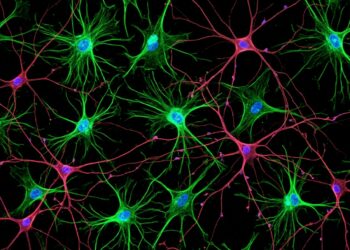
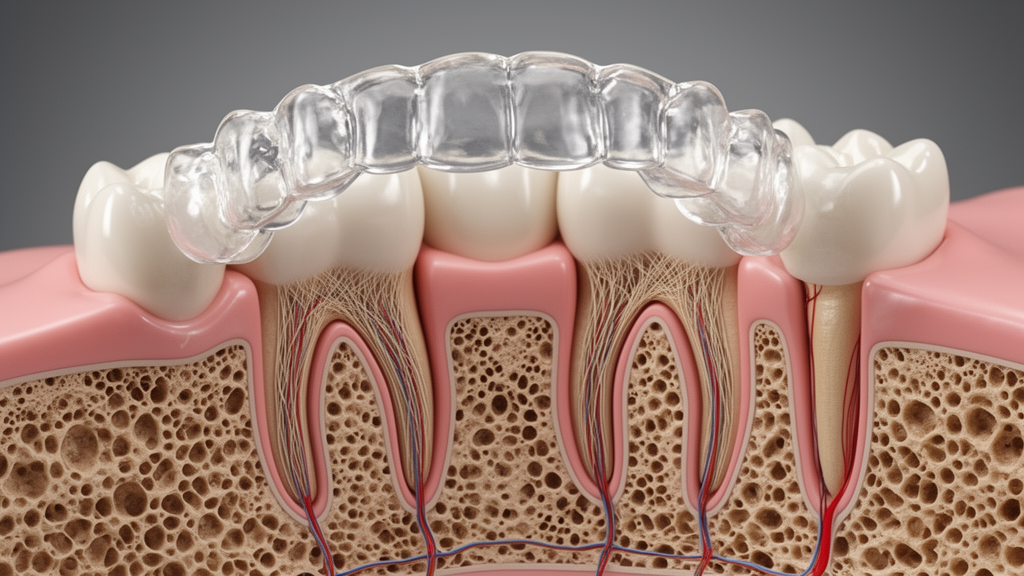
The biological explanation for why digital simulations fail resides within the microscopic mechanobiology of the living periodontium, which behaves according to principles of cellular signaling rather than linear geometric translation. When an orthodontic appliance applies physical force to a tooth, it generates distinct zones of mechanical compression and tension across the vascular periodontal ligament. Within compression zones, diminished microvascular blood flow and localized tissue hypoxia trigger the secretion of inflammatory mediators, including interleukin-1 beta, prostaglandin E2, and tumor necrosis factor alpha, which facilitate osteoclast recruitment and differentiation. Cellular force transduction is orchestrated by the receptor activator of nuclear factor kappa-B ligand signaling axis, where mechanical stress upregulates osteoclastic RANKL while downregulating its decoy receptor osteoprotegerin. Simultaneously, mechanosensitive Piezo1 and Piezo2 ion channels convert physical strain into intracellular calcium signaling cascades. This intricate cellular response cannot occur instantaneously or smoothly; it follows an initial lag phase lasting up to 21 days in humans before bone resorption initiates detectable tooth movement, followed by acceleration, plateau, and adaptive deceleration phases that conflict entirely with constant-velocity computer calculations.
Compounding this baseline cellular complexity is an immense degree of interpatient biological variability that digital planning suites completely ignore when assigning identical staging schedules across different individuals. Human clinical studies document that even when identical force levels are delivered, the velocity and extent of tooth displacement can vary threefold or more between separate patients due to demographic, systemic, and genetic distinctions. Chronological age strongly influences remodeling rates, as younger patients exhibit rapid biomarker surges of RANKL, osteoprotegerin, interleukin-6, and alkaline phosphatase within 72 hours of force application, whereas adult tissues possess diminished periodontal ligament cellularity and lower alveolar bone vascularity. Transcriptomic evidence reveals that biological sex also modulates response, with females demonstrating more active initial osteoclastic engagement. Furthermore, individual genetic polymorphisms in genes encoding bone turnover proteins alter remodeling kinetics, while systemic medical conditions such as osteoporosis, hypothyroidism, or diabetes modify skeletal metabolic turnover. Commonly ingested pharmaceuticals further disrupt force responses: nonsteroidal anti-inflammatory drugs suppress prostaglandin synthesis and retard movement velocity, bisphosphonates arrest osteoclast function, while corticosteroids, parathyroid hormone, and thyroxine accelerate remodeling.
From a physical perspective, the biomechanical characteristics of removable thermoplastic appliances create inherent structural limitations that exacerbate biological discrepancies. Clear aligners deliver load through the elastic deformation of polymeric shells seated over clinical crowns located approximately 8 to 12 millimeters away from a tooth’s anatomical center of resistance. Because forces are exerted at this substantial distance without a continuous rigid counter-moment, aligners naturally induce crown tipping rather than true bodily translation. While bonded composite resin attachments provide retention undercuts, increase contact surface area, and establish leverage points to generate force couples for rotation and torque, their efficiency remains constrained by material behavior. Thermoplastic aligner polymers exhibit pronounced viscoelastic properties, undergoing continuous stress relaxation that causes a substantial loss of initial activation force within the first 24 to 48 hours of intraoral wear. As delivered force rapidly decays below optimal physiological thresholds, programmed movements stall, initiating tracking loss that widens the physical gap between tray and tooth.
Because digital clear aligner treatment relies on a completely pre-manufactured, static sequence of plastic appliances, minor mechanical failures compound catastrophically over time. Unlike conventional fixed-appliance braces, where an orthodontist evaluates biological response at recurring appointments and adjusts archwires, brackets, and auxiliaries dynamically, aligner stages are calculated from an assumed theoretical position that requires flawless tracking at every prior step. If a tooth fails to track during an early aligner stage due to biological delay or force relaxation, the physical mismatch propagates through all subsequent trays, resulting in severe expression loss and making treatment refinement necessary in a substantial majority of clinical cases. Furthermore, periodontal tissue remodeling exhibits a biological saturation threshold wherein increasing the magnitude of applied mechanical force fails to produce a commensurate increase in tooth displacement rate. When software increments demand displacement faster than osteoclasts and osteoblasts can remodel alveolar bone, tracking is lost entirely, highlighting the fallacy of treating living biological tissue as an additive mechanical assembly.
Recent attempts to bridge this predictability divide have centered on incorporating artificial intelligence into the orthodontic pipeline, though current computational applications remain fundamentally constrained by the same geometric limitations. Deep learning models have achieved impressive diagnostic successes, attaining approximately 98 percent accuracy in automated tooth crown segmentation, matching expert performance in cephalometric landmark detection, and assisting in extraction decision-making. Emerging platforms like OrthoAI integrate three-dimensional dental segmentation with automated biomechanical checks to identify digitally proposed movements that violate established per-stage displacement limits. However, modern commercial algorithms are trained almost exclusively on geometric surface contours and spatial dental scans rather than biological variables, meaning they cannot forecast how living periodontal tissues will react to prescribed forces in a specific patient. Existing artificial intelligence algorithms also face notable hurdles regarding dataset bias, inadequate cross-population validation due to single-ethnic training data, lack of algorithmic explainability, and unresolved ethical questions surrounding clinical accountability.
In synthesizing these biological, biomechanical, and computational observations, the review highlights that clinicians must treat digital planning simulations as flexible geometric blueprints rather than deterministic guarantees of final clinical tooth positions. To compensate for known movement inefficiencies, practitioners should incorporate deliberate overcorrection strategies during initial digital setup design, such as adding approximately 20 percent extra movement for highly resistant motions like torque, intrusion, and canine rotation. Clinicians must also identify complex malocclusions characterized by severe root movement requirements and direct those cases toward fixed-appliance therapy, where force systems can be managed with greater mechanical fidelity. The author noted several methodological limitations inherent to the review, including its narrative design conducted by a single investigator without formal qualitative scoring instruments, the exclusion of gray literature, and the reliance on recent in-press studies. Nevertheless, until next-generation planning systems directly assimilate patient-specific biological indicators, bone density parameters, and adaptive materials, bridging the predictability gap will continue to depend on clinician oversight grounded in biological reality.
Subject of Research: Biomechanical and biological determinants of orthodontic tooth movement predictability in digital treatment planning
Article Title: Why does digitally predicted tooth movement fail? the biology-digital mismatch in orthodontics: a critical narrative review
Article References: Alsulaiman, A. A. (2026). Why does digitally predicted tooth movement fail? the biology-digital mismatch in orthodontics: a critical narrative review. The Saudi Dental Journal, 38(10), Article 131. https://doi.org/10.1007/s44445-026-00252-x
Image Credits: AI Generated
DOI: 10.1007/s44445-026-00252-x
Keywords: orthodontics, clear aligner therapy, digital orthodontics, tooth movement predictability, biomechanics, periodontal ligament, bone remodeling, osteoclasts, mechanotransduction, RANKL signaling, viscoelastic stress relaxation, tracking loss, overcorrection, artificial intelligence, center of resistance, interpatient variability, narrative review
News Source: Ophelia Keating. (November 24, 2026). Review Explains Why Biological Realities Limit Digital Orthodontic Tooth Movement Predictability. Scienmag.