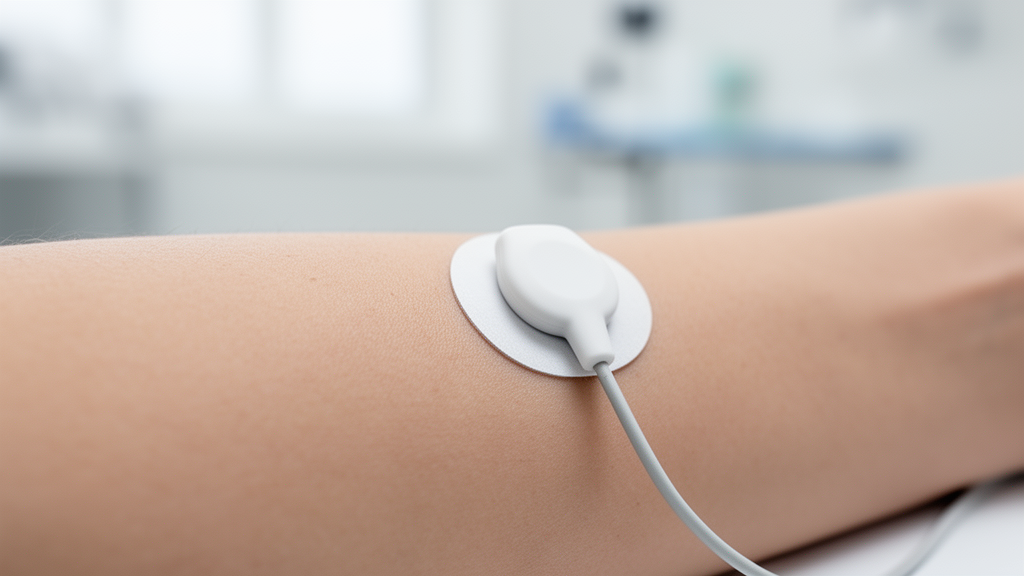
A narrative review published in Diabetology & Metabolic Syndrome on September 24, 2026, critically examines the available evidence regarding the efficacy and acceptability of modern diabetes technologies in the management of type 2 diabetes. The review notes that these technologies are increasingly used in the management of type 2 diabetes, although access to and use of them in routine care vary across regions and healthcare settings. However, their role across the broader cardiometabolic spectrum—such as in intermediate hyperglycemia and obesity—remains less defined.
The central finding of the review is that current technologies improve glycemic outcomes in type 2 diabetes, facilitate treatment intensification, and enhance patient-reported outcomes. This benefit is particularly pronounced when the technologies are embedded within structured and often innovative education approaches. The authors note that evidence of varying strength supports these conclusions.
Continuous glucose monitoring (CGM) and automated insulin delivery (AID) systems are identified as providing major improvements in clinical management. Furthermore, emerging real-world evidence suggests that CGM can elicit favorable effects on cardiovascular outcomes and mortality.
Smart insulin pens are also highlighted as providing additional benefits by recording, monitoring, and transmitting dosing data. This functionality supports treatment adherence and optimization.
Digital health applications, commonly referred to as apps, primarily serve as supportive tools within the diabetes technology ecosystem. They enhance data integration, education, and remote care, particularly when used in conjunction with CGM and AID-based management. However, the review notes that evidence supporting the clinical efficacy of these apps is still evolving. Many studies evaluating apps are short-term and small-scale.
The review also addresses the limitations of current evidence regarding the use of CGM in intermediate hyperglycemia, also known as prediabetes, and obesity. It states that evidence for CGM use in these conditions remains limited because no universally accepted CGM-derived diagnostic thresholds, risk scores, or intervention algorithms have been established.
Future advances in diabetes technology will require the validation of CGM-derived metrics and the integration of glucose data with clinical, genetic, and behavioral information. The review suggests that artificial intelligence-supported interpretation will be essential to provide more precise cardiometabolic risk assessment and care.
Addressing interoperability, regulatory, and reimbursement challenges is identified as essential for the equitable integration of diabetes technologies into clinical practice. Barriers to access and workforce education also need to be overcome to ensure that these technologies benefit all patients, regardless of their location or healthcare setting. The review concludes that while the current evidence supports the use of diabetes technologies in type 2 diabetes, significant work remains to be done to standardize their use in other cardiometabolic conditions and to ensure equitable access and implementation across the healthcare system.
Subject of Research: Efficacy and acceptability of diabetes technologies in type 2 diabetes management
Article Title: Diabetes technology in type 2 diabetes care
Article References: Muzurović, E., Choudhary, P., Volčanšek, Š., Kraljević, I., Mader, J. K., Zečević, K., Del Prato, S., & Mathieu, C. (2026). Diabetes technology in type 2 diabetes care. Diabetology & Metabolic Syndrome. https://doi.org/10.1186/s13098-026-02305-x
Image Credits: AI Generated
DOI: 10.1186/s13098-026-02305-x
Keywords: diabetes technology, type 2 diabetes, continuous glucose monitoring, automated insulin delivery, smart insulin pens, digital health, cardiometabolic health, clinical care, glycemic control, patient outcomes, Diabetes, technology
News Source: Ophelia Keating. (November 8, 2026). Review Examines Diabetes Tech Role in Type 2 Care. Scienmag.