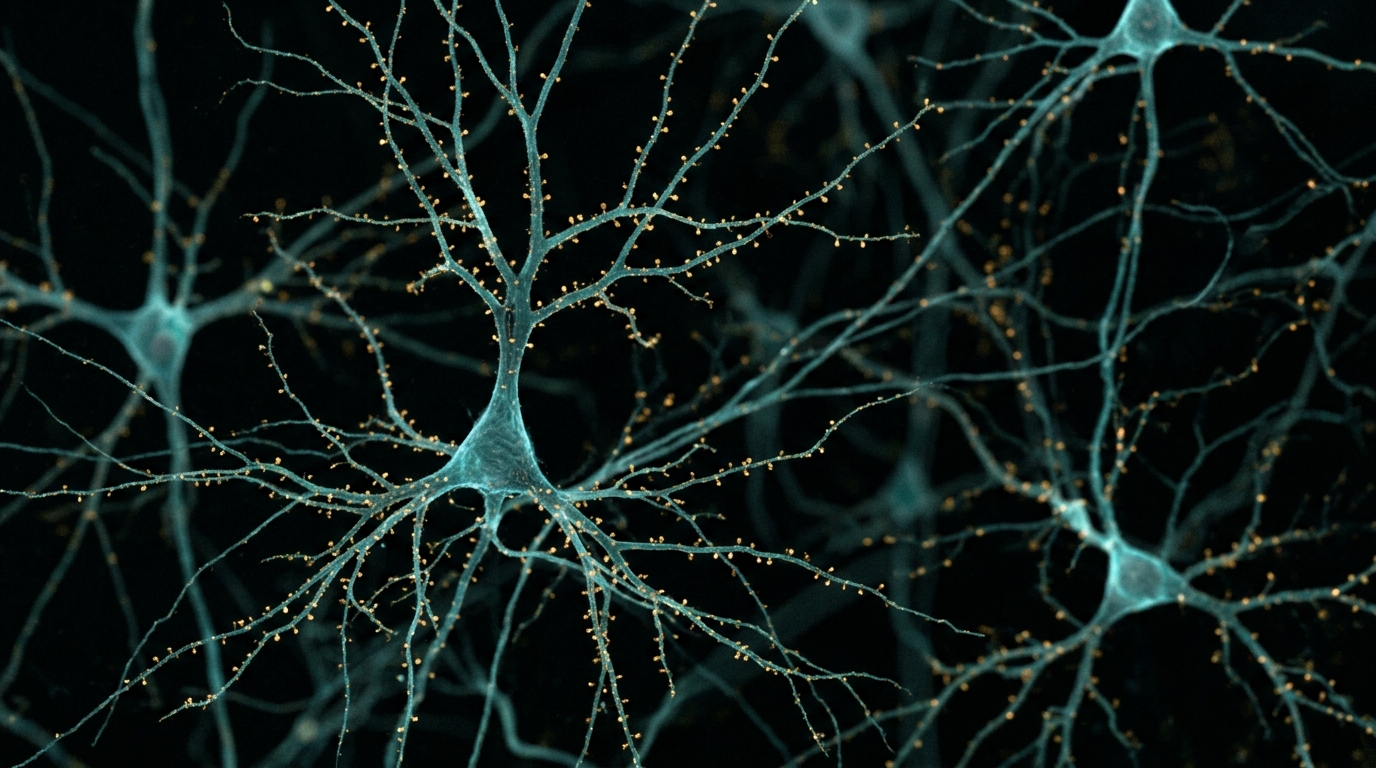
A comprehensive review published in Acta Epileptologica on March 2, 2026, examines the molecular mechanisms underlying mutations in the KCNT1 gene, which encodes the Slack channel. This sodium-activated potassium channel is critical for modulating neuronal excitability throughout the central nervous system. The article, authored by Yue Wei, Aqeela Zahra, Qun Wang, and Jianping Wu, synthesizes current knowledge regarding the structure, physiological functions, and distribution of these channels. It further explores how specific genetic variants lead to a spectrum of epileptic disorders, ranging from moderate to profound severity. The review highlights the challenges associated with diagnosing and managing these conditions, which are often intractable and resistant to standard antiseizure medications.
The KCNT1 gene is located on chromosome 9q34.3 in humans and encodes the alpha subunit of the Slack channel. These channels exhibit an exceptionally high conductance of approximately 180 picosiemens in mammalian cells. Structurally, the Slack channel subunit comprises six hydrophobic transmembrane segments, labeled S1 through S6. A hole-lining ring is formed between segments S5 and S6, while a large intracellular C-terminal domain contains two potassium conductance regulation domains and a niacinamide adenine dinucleotide binding domain. Unlike voltage-gated potassium channels, Slack channels lack a voltage-sensing domain and charged residues in their S4 segments, leaving the exact mechanism of their voltage sensitivity unclear.
Functionally, Slack channels are highly dependent on intracellular sodium concentrations, requiring levels between 50 and 70 millimoles per liter for activation. An increase in sodium concentration prompts a conformational change in the regulation domains, which may expose electrostatic channel pores. The niacinamide adenine dinucleotide binding domain further modulates the channel’s requirement for sodium by altering local concentrations. These channels are extensively expressed in the central nervous system, including the olfactory bulb, hippocampus, amygdala, and frontal cortex. They also appear in mammalian hearts, suggesting roles beyond the nervous system in maintaining physiological homeostasis.
During an action potential, intracellular sodium concentrations rise, activating Slack channels to induce rapid potassium efflux. This process drives membrane potential repolarization, terminating neuronal excitation and preventing functional disorder. In the resting state, the channel opening rate is reduced, limiting potassium efflux and maintaining membrane potential homeostasis. This balance is essential for regulating the frequency, pattern, and precision of neuronal activity. By extending the refractory period and inhibiting excessive firing, Slack channels help preserve network stability and mitigate disorders associated with hyperexcitability.
Mutations in the KCNT1 gene are strongly linked to various forms of epilepsy, including epilepsy with migrating focal seizures of infancy, autosomal dominant nocturnal frontal lobe epilepsy, and other early-onset epileptic encephalopathies. These conditions are predominantly autosomal dominant and often present with focal seizures, pronounced clinical features, and early onset. Patients frequently experience mental and behavioral abnormalities, as well as congenital developmental issues. The primary form of epilepsy associated with KCNT1 is caused by gain-of-function mutations, which are predominantly found within and around the channel’s structural domains, particularly in the regulation and binding domains considered mutation hotspots.
The review notes that the position of mutations within the channel’s architecture may be linked to specific clinical phenotypes. For example, the G288S mutation located on segment S5 is associated with autosomal dominant nocturnal frontal lobe epilepsy, while the R398Q mutation situated on the first regulation domain is linked to epilepsy of infancy with migrating focal seizures. However, the precise correlation between mutation sites and clinical manifestations in patients exhibiting diverse phenotypes is not yet fully understood. Identical mutation sites can result in different phenotypes, highlighting the complexity of genotype-phenotype relationships in these disorders.
Two primary hypotheses explain how gain-of-function mutations lead to excessive channel activity: increased sensitivity to sodium ions and an elevation in the channel’s maximum open probability. In excitatory neurons, these mutations may cause action potentials to experience more rapid repolarization while minimizing sodium channel inactivation, thereby increasing the frequency of action potential firing. In inhibitory interneurons, a decrease in membrane excitability and enhanced adaptive firing may lead to disinhibition mediated by gamma-aminobutyric acid, which in turn raises network excitability. Additionally, alterations in firing patterns during neuronal development can result in modified synaptic connectivity, contributing to the formation of hyperexcitable networks and epileptogenic foci.
Epilepsy with migrating focal seizures of infancy is a rare developmental and epileptic encephalopathy officially recognized by the International League Against Epilepsy in 2010. Approximately 40 percent of cases are attributable to KCNT1 mutations, with recurrent pathogenic variants clustered at specific residues. The prognosis for these cases is generally poor, characterized by pharmacoresistant seizures and profound neurodevelopmental stagnation. Neuroimaging studies usually show no specific structural abnormalities, though some patients may exhibit hypometabolism during the interictal period or increased regional cerebral blood flow during the ictal period.
Autosomal dominant nocturnal frontal lobe epilepsy is the most prevalent familial form of sleep-related hypermotor epilepsy. While mutations in nicotinic acetylcholine receptor subunit genes were initially identified as causes, KCNT1 mutations have also been linked to these cases. Patients with KCNT1 mutations tend to exhibit more severe phenotypes, including an earlier age of onset, higher rates of drug resistance, and an increased incidence of intellectual disability and psychobehavioral disorders. Neuroimaging in these patients mostly appears normal, with rare nonspecific changes such as mild frontal lobe atrophy or white matter abnormalities.
Other early-onset epileptic encephalopathies associated with KCNT1 variations include West syndrome, Ohtahara syndrome, early-onset myoclonic encephalopathy, and Lennox-Gastaut syndrome. These conditions are characterized by early onset and significant developmental impairment. Neuroimaging findings are diverse, ranging from abnormal brain structural development, such as cortical dysplasia and leukodystrophy, to abnormal brain metabolism, such as decreased glucose metabolism detected by positron emission tomography. The variability in clinical presentations underscores the need for comprehensive genetic screening and tailored management strategies.
Conventional treatments for KCNT1-related epilepsy often offer only temporary relief, with the majority of cases showing resistance to pharmacological interventions. Quinidine, a nonspecific potassium channel blocker, has been suggested as a promising treatment option due to its capacity to regulate abnormal channel activity. Preclinical studies have shown that quinidine can inhibit both normal and disease-causing Slack channels in various expression systems.
The limitations of quinidine are not confined to its inconsistent efficacy; it is associated with dose-dependent cardiotoxicity, such as QT interval prolongation. Research has also revealed an age-dependent response to quinidine, with complete effectiveness in children under four years old and no therapeutic benefit in older patients. Beyond quinidine, other ion channel blockers such as bepredil and clofilium have been shown to inhibit Slack channels in vitro. Recent advances in drug discovery have identified novel small-molecule inhibitors with promising preclinical profiles, including compounds that reduced neuronal excitability and firing rates in rat cortical neurons.
The ketogenic diet is another nutritional intervention characterized by a high-fat, very-low-carbohydrate, and moderate-protein composition. Its core mechanism involves the generation of ketone bodies through fatty acid beta-oxidation, which replaces glucose as the primary energy source for the brain. Ketones suppress glutamatergic excitatory signaling and enhance gamma-aminobutyric acid inhibitory transmission, playing a pivotal role in managing refractory epilepsy associated with KCNT1 gene mutations. While generally considered safer than surgical interventions, the diet requires close monitoring for potential nutrient deficiencies and metabolic acidosis.
Gene therapy represents an innovative treatment approach under investigation for the management of seizures, specifically targeting epileptogenic regions to preserve surrounding healthy tissue. Antisense oligonucleotides are single-stranded nucleotide sequences that can bind to complementary RNA molecules, thereby regulating gene expression. Research indicates that antisense oligonucleotide-mediated gene silencing is a promising therapeutic approach for KCNT1-associated epilepsy, significantly reducing seizure frequency and improving abnormal behaviors in animal models. Their ability to cross the blood-brain barrier enables precise targeting of the central nervous system, enhancing their value in precision medicine. Further study into the molecular basis of KCNT1-related epilepsy is needed to improve the quality of life for those affected.
Subject of Research: Mechanisms of KCNT1 gene mutations and Slack channel dysfunction in epileptic disorders
Article Title: Unraveling the mechanisms of slack channel mutations in epileptic disorders
Article References: Wei, Y., Zahra, A., Wang, Q., & Wu, J. (2026). Unraveling the mechanisms of slack channel mutations in epileptic disorders. Acta Epileptologica, 8(1), Article 6. https://doi.org/10.1186/s42494-026-00246-6
Image Credits: AI Generated
DOI: 10.1186/s42494-026-00246-6
Keywords: KCNT1 gene, Slack channel, Epilepsy, Neuronal excitability, Ion channels, Genetics, Quinidine, Gene therapy, Ketogenic diet, Acta Epileptologica, Unraveling, mechanisms
News Source: Kendall Mcintyre. (November 7, 2026). Review details Slack channel mutations in epilepsy. Scienmag.