In a groundbreaking advancement in health technology, researchers at Northwestern University have crafted a novel algorithm aimed at enhancing calorie expenditure tracking for individuals living with obesity. For many people, fitness trackers represent an essential part of their commitment to health and fitness. However, this technology is often inaccurate for those with obesity, who exhibit distinctive characteristics in their physical activity profiles, including variations in walking gait, speed, and energy expenditure. This newly developed algorithm addresses these deficiencies, promising a more effective monitoring tool tailored for this population.
The team, led by behavioral medicine expert Nabil Alshurafa from the HABits Lab at Northwestern, has constructed this open-source algorithm specifically aimed at users with obesity. Unlike existing trackers, which were primarily calibrated against data from individuals without obesity, this new model utilizes a dominant-wrist approach specifically designed to enhance accuracy for those whose physical movement patterns diverge from the normative data on which traditional trackers were calibrated. The introduction of this algorithm is especially important given that inaccurate calorie tracking can undermine health initiatives for those who need them most.
Alshurafa’s interest in this area of research was sparked through personal experience. He attended an exercise class alongside his mother-in-law, who has obesity, and observed the stark discrepancy in fitness tracker readings despite her considerable efforts in the class. This moment was a catalyst that drove him to develop a solution; a pressing need to ensure that the metrics used to judge physical activity are equitable and accurately reflect the efforts of all individuals, regardless of body type.
.adsslot_kqtzvWhamC{ width:728px !important; height:90px !important; }
@media (max-width:1199px) { .adsslot_kqtzvWhamC{ width:468px !important; height:60px !important; } }
@media (max-width:767px) { .adsslot_kqtzvWhamC{ width:320px !important; height:50px !important; } }
ADVERTISEMENT
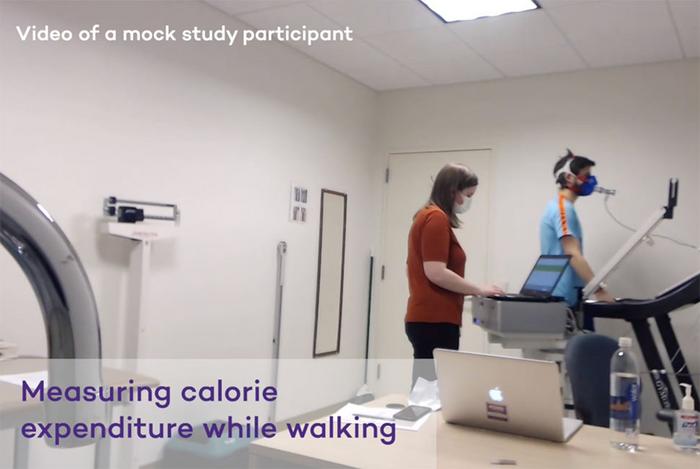
To understand the effectiveness of their algorithm, the researchers engaged in extensive testing, comparing their new model against existing state-of-the-art algorithms that often misrepresent calorie burn in individuals with obesity. Their approach employed a combination of commercial fitness trackers and rigorous scientific methods, including the use of metabolic carts and body cameras to facilitate real-time validation of calorie expenditure measurements. This rigorous testing methodology ensured that the tracker’s outputs could be calibrated and adjusted in real time, allowing for precise measurement of energy expenditure during various daily activities.
In their controlled experiments, study participants engaged in both structured physical tasks designed to measure energy burn and organic daily activities. This combination provided scientists with a comprehensive view of how well the new wrist-worn algorithm performed in both controlled and naturalistic settings. For instance, while a group of 27 participants performed specific exercises to measure their energy expenditure through direct metabolic data, another cohort of 25 wore the tracker while conducting their everyday routines, further allowing for the collection of rich datasets that offered insight into real-world application and performance of the algorithm.
One striking finding from this research is that the algorithm achieves over 95% accuracy in estimating energy burn for obese individuals during various physical activities. This rate of accuracy positions the algorithm as a significant improvement over its predecessors, which frequently failed to account for the unique physical characteristics and movement dynamics associated with individuals with obesity. Effective monitoring can lead to essential health insights and behavioral modifications, thereby enhancing the overall quality of life for many individuals.
The applications of this algorithm extend beyond mere calorie counting; they open a dialogue about inclusivity in fitness technology. The algorithm invites a reconsideration of existing fitness standards and the recognition that the success of one’s fitness journey should not be measured by traditional, often unrealistic, metrics. Alshurafa emphasizes the importance of celebrating diverse forms of physical activity, as many movements that contribute significantly to an individual’s health might not fit within standard definitions of ‘successful workouts.’
As the researchers prepare to roll out an activity-monitoring app integrating this algorithm later this year, both iOS and Android platforms stand to benefit, presenting a widespread opportunity for individuals living with obesity to access accurate tracking of their physical activities and energy expenditures. This app aims to empower users, enabling them to better understand their exercise patterns and make informed decisions regarding their health and wellness initiatives.
Ultimately, through this specialist algorithm, the researchers have set out not only to enhance the accuracy of activity tracking but also to forge an inclusive path that recognizes the unique challenges faced by those with obesity. The work highlights a much-needed convergence of technology and inclusive health practices, ensuring that progress in the field of health technology is accessible to all populations.
With the publication of their findings in Nature Scientific Reports, the team’s research marks a pivotal moment in the conversation surrounding health and fitness technology. By redefining how we measure physical activity, the study paves the way for improved health interventions and personalized fitness strategies tailored to individuals with obesity. In doing so, it invites the fitness technology industry to reevaluate existing methods, thereby fostering a more equitable landscape in the realm of health.
Through such innovative advancements, we may soon witness a transformation in how fitness tracking supports individuals in their health journeys, particularly among those who have been historically underserved by available technologies. As researchers continue to refine and enhance this algorithm, they are building an evidence-based framework that prioritizes accuracy and inclusivity, ultimately guiding the future of fitness technology.
In conclusion, the work initiated by Northwestern University epitomizes the crucial intersection of technology and health that seeks to empower individuals, enhance well-being, and promote a more inclusive narrative in health. Individuals with obesity are no longer relegated to the sidelines of fitness technology—they are being invited to take center stage.
Subject of Research: Development of an algorithm tailored for calorie burn measurement in individuals with obesity.
Article Title: Developing and comparing a new BMI inclusive energy burn algorithm on wrist-worn wearables.
News Publication Date: 19-Jun-2025.
Web References: https://wristmetcalculator.fsm.northwestern.edu
References: Nabil Alshurafa, HABits Lab, Northwestern University.
Image Credits: Credit: Northwestern University
Keywords
Fitness tracking, obesity, energy expenditure, wearable technology, algorithm development, health technology, inclusivity, calorie burn tracking, Northwestern University, scientific research, health interventions, personal fitness.
Tags: accuracy in fitness devicesbehavioral medicine and obesitycalorie expenditure tracking algorithmfitness trackers for obesityhealth technology advancementsinnovative solutions for obesity managementNorthwestern University researchopen-source health solutionsovercoming fitness tracker limitationspersonalized fitness monitoringphysical activity profilestailored health initiatives