Credit: UT Southwestern
DALLAS – January 3, 2017 – UT Southwestern Medical Center scientists have uncovered the chemical process behind anti-cancer properties of a spicy Indian pepper plant called the long pepper, whose suspected medicinal properties date back thousands of years.
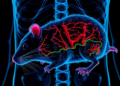
The secret lies in a chemical called Piperlongumine (PL), which has shown activity against many cancers including prostate, breast, lung, colon, lymphoma, leukemia, primary brain tumors, and gastric cancer.
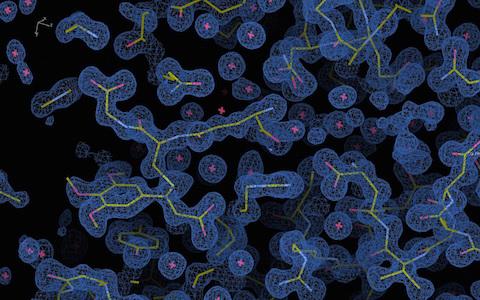
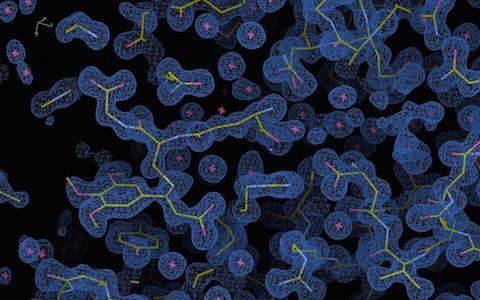
Using x-ray crystallography, researchers were able to create molecular structures that show how the chemical is transformed after being ingested. PL converts to hPL, an active drug that silences a gene called GSTP1. The GSTP1 gene produces a detoxification enzyme that is often overly abundant in tumors.
"We are hopeful that our structure will enable additional drug development efforts to improve the potency of PL for use in a wide range of cancer therapies," said Dr. Kenneth Westover, Assistant Professor of Biochemistry and Radiation Oncology. "This research is a spectacular demonstration of the power of x-ray crystallography."
The long pepper, a plant native to India, is found in southern India and southeast Asia. Although rare in European fare, it is commonly found in Indian stores and used as a spice or seasoning in stews and other dishes. It dates back thousands of years in the Indian subcontinent tied to Ayurveda, one of the world's oldest medical systems, and was referred to by Hippocrates, the ancient Greek physician known as the father of medicine.
"This study illustrates the importance of examining and re-examining our theories. In this case we learned something fundamentally new about a 3,000-year-old medical claim using modern science," said Dr. Westover."
Dr. Westover, a member of the Harold C. Simmons Comprehensive Cancer Center, used cutting edge technologies in UT Southwestern's Structural Biology Core (SBC) – the University's world-renowned facility for X-ray crystallography, to better understand the anticancer properties of PL. X-ray crystallography allows scientists to determine molecular structures that reveal how molecules interact with targets – in this case how PL interacts with GSTP1. Viewing the structures helps in developing drugs for those targets.
The study is published in the Journal of Biological Chemistry.
###
This work is supported by the V Foundation for Cancer Research, founded by ESPN and legendary basketball coach Jim Valvano, The Welch Foundation, and the Cancer Prevention and Research Institute of Texas.
Additional UT Southwestern researchers who contributed to the study include alumni of the Westover lab: Dr. Wayne Harshbarger, Dr. John Hunter and Dr. Durga Udayakumar. Current UT Southwestern scientists in the Departments of Radiation Oncology and Biochemistry include Dr. Deepak Gurbani, Dr. William Singer, Dr. Yan Liu, Dr. Lianbo Li and Dr. Sudershan Gondi.
The Harold C. Simmons Comprehensive Cancer Center is the only NCI-designated Comprehensive Cancer Center in North Texas and one of just 47 NCI-designated Comprehensive Cancer Centers in the nation. Simmons Cancer Center includes 13 major cancer care programs. In addition, the Center's education and training programs support and develop the next generation of cancer researchers and clinicians. Simmons Cancer Center is among only 30 U.S. cancer research centers to be designated by the NCI as a National Clinical Trials Network Lead Academic Participating Site.
About UT Southwestern Medical Center
UT Southwestern, one of the premier academic medical centers in the nation, integrates pioneering biomedical research with exceptional clinical care and education. The institution's faculty includes many distinguished members, including six who have been awarded Nobel Prizes since 1985. The faculty of almost 2,800 is responsible for groundbreaking medical advances and is committed to translating science-driven research quickly to new clinical treatments. UT Southwestern physicians provide medical care in about 80 specialties to more than 100,000 hospitalized patients and oversee approximately 2.2 million outpatient visits a year.
Media Contact
Lori Sundeen Soderbergh
[email protected]
214-648-3404
@UTSWNews
http://www.swmed.edu