


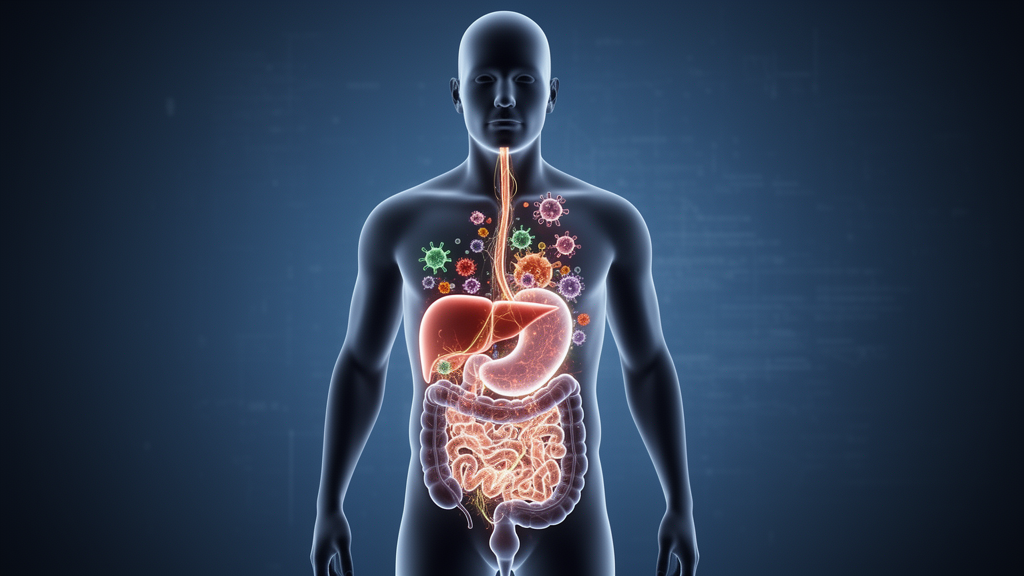
The retrospective case-control study, published in Cardiovascular Diabetology – Endocrinology Reports, combined untargeted metabolomics with an eXtreme Gradient Boosting (XGBoost) classifier to identify dysregulated linoleic acid oxidation, altered peroxisome proliferator-activated receptor (PPAR) signaling, and disturbed bile acid–FGF19 metabolism as the metabolic pathways most strongly associated with susceptibility to major adverse cardiovascular events, or MACE.
The team analyzed fasting serum from 800 participants drawn from three established Hong Kong cohorts: 200 patients with angiographically confirmed coronary artery disease who had experienced MACE, 200 patients with coronary artery disease who had not, and 400 matched controls without coronary artery disease. All three groups were matched for age and sex. Serum samples from patients who had experienced a MACE were collected after the event, following an overnight fast of at least eight hours, and stored at minus 80 degrees Celsius until analysis. The investigators emphasize that this retrospective design means the metabolic signatures reflect an association with event occurrence rather than a proven cause, and cannot establish whether the measured differences preceded the cardiovascular events.
Using high-performance liquid chromatography coupled to mass spectrometry, the researchers initially detected 4,333 metabolite features across positive and negative ionization modes. After filtering for reproducibility and completeness, 2,466 features survived, of which 1,295 could be annotated and assigned to 19 chemical superclasses, dominated by organic acids at 19.4 percent and fatty acyls at 18.2 percent. Key metabolites were putatively annotated at level 2 confidence under the Metabolomics Standards Initiative, using targeted tandem mass spectrometry fragmentation matched against the Human Metabolome Database.
The clinical picture reinforced the study’s premise that conventional risk measures leave gaps. The MACE cohort showed a pronounced cardiometabolic phenotype, with the highest rates of diabetes, hypertension, and dyslipidemia across the groups, all statistically significant. Body mass index, waist circumference, and waist-to-hip ratio were also highest among patients who had experienced MACE. Notably, standard lipid parameters, including total, high-density lipoprotein, and low-density lipoprotein cholesterol, did not differ significantly between coronary artery disease patients with and without MACE, which the authors interpret as underscoring the limitations of traditional lipid panels in capturing residual cardiovascular risk.
The XGBoost model, trained with feature selection performed independently within each training fold to prevent data leakage and evaluated by five-fold cross-validation, delivered three headline performance figures. In a dataset of 600 samples, it distinguished patients with coronary artery disease and MACE from non-CAD controls with an area under the curve of 0.984. Among the 400 coronary artery disease patients alone, it separated those with MACE from those without at an area under the curve of 0.932. In a pooled comparison of all 800 individuals, it identified overall coronary artery disease status with an area under the curve of 0.944. In every comparison, the model distilled its decisions down to the ten most important metabolite features.
Pathway enrichment analysis pointed consistently to two biological themes. Linoleic acid metabolism was significantly altered when MACE patients were compared with controls, with 14 hits, an enrichment ratio of 54.8, and a p value below 0.001, and again when all coronary artery disease patients were pooled against controls, at p equal to 0.003. The PPAR signaling pathway was likewise enriched, with a p value of 0.029 in the MACE versus control comparison and 0.004 in the pooled analysis. Within these pathways, the pro-inflammatory oxidized linoleic acid metabolites 9-hydroxyoctadecadienoic acid and 13-hydroxyoctadecadienoic acid, known as 9-HODE and 13-HODE, were significantly elevated in the MACE cohort. These compounds are lipid peroxidation products of linoleic acid, an essential omega-6 polyunsaturated fatty acid, and prior research has linked them to endothelial activation, macrophage foam cell formation, plaque inflammation, and instability.
The connection to PPAR signaling carries mechanistic interest because PPARs are ligand-activated transcription factors sitting at the intersection of metabolism, insulin sensitivity, and vascular inflammation, and 9- and 13-HODE are themselves endogenous ligands for PPAR gamma. The authors hypothesize that accumulated oxidized linoleic acid metabolites may act as messengers between dysregulated lipid metabolism and vascular inflammation, potentially overriding normal anti-inflammatory feedback in advanced atherosclerosis. They caution, however, that this remains a hypothesis generated from association data in a retrospective design, not a demonstrated causal pathway, and that downstream metabolites were not validated by targeted metabolomics in the present work.
The study also probed the enterohepatic endocrine axis by measuring circulating fibroblast growth factor 19, an enterokine regulated by the farnesoid X receptor that suppresses hepatic bile acid synthesis. Three atheroprotective primary bile acid metabolites were significantly depleted in patients with coronary artery disease and MACE, each at p below 0.001, and FGF19 was significantly elevated in these patients compared with non-CAD controls, at a median of 134.3 picograms per milliliter versus 90.0, with p equal to 0.003. Yet FGF19 did not differ significantly between coronary artery disease patients with and without MACE, at medians of 134.3 and 121.5 picograms per milliliter and p equal to 0.99, suggesting it tracks coronary artery disease status rather than serving as a specific predictor of event risk in this dataset. Alone, FGF19 showed only modest discrimination, with an area under the curve of 0.597 for separating coronary artery disease patients from controls.
The authors propose a possible cascade: linoleic acid-driven inflammation may enhance farnesoid X receptor expression, raising FGF19 output and suppressing hepatic bile acid synthesis, with downstream effects on lipid metabolism mediated through fibroblast growth factor receptors 4 and 1. They note that FGF19 analogs trialed for steatohepatitis have raised low-density lipoprotein cholesterol and reduced bile acid synthesis in human clinical studies, a point of caution for that therapeutic axis. But because the study lacked matched fecal microbiome sequencing, the circulating bile acid shifts cannot be tied to specific microbial disturbances, and correlation analyses between FGF19 and individual bile acid species remain future work.
Several limitations frame how these findings should be read. The retrospective case-control design precludes causal inference and left baseline imbalances, including differences in medication types and doses, unadjusted, partly because detailed medication data were unavailable for the non-CAD cohort and the sample size was limited relative to the complexity of metabolomics. No external validation dataset was available to test the XGBoost model’s performance, and blood sampling after the MACE leaves open the possibility that the event itself, or its treatment, shaped the metabolic profile. The authors call for prospective cohorts and mechanistic studies to validate the metabolite panels and clarify their role in vascular biology. If confirmed, they argue, integrating gut-liver-heart axis signatures into machine learning models could help refine cardiovascular risk stratification and guide targeted prevention for patients whose residual risk conventional measures miss.
Subject of Research: Metabolomics and machine learning to identify metabolic signatures associated with major adverse cardiovascular events in coronary artery disease
Article Title: Metabolic signatures and machine learning identify gut-liver-heart axis dysfunction as a potential link to major adverse cardiovascular events in coronary artery disease
Article References: Lin, M.-Q., Wong, C.-K., Au, K.-W., Cheung, C. Y.-Y., Lau, Y.-M., Liao, S.-Y., Lam, K. S.-L., Xu, A., & Tse, H.-F. (2026). Metabolic signatures and machine learning identify gut-liver-heart axis dysfunction as a potential link to major adverse cardiovascular events in coronary artery disease. Cardiovascular Diabetology – Endocrinology Reports, 12(1), Article 56. https://doi.org/10.1186/s40842-026-00329-w
Image Credits: AI Generated
DOI: 10.1186/s40842-026-00329-w
Keywords: coronary artery disease, major adverse cardiovascular events, metabolomics, machine learning, XGBoost, linoleic acid, HODE, PPAR signaling, bile acids, FGF19, gut-liver-heart axis, case-control study
News Source: Teresa Odom. (October 29, 2026). Research report: Metabolic signatures and machine learning identify gut-liver-heart axis dysfunction as a potential link to major adverse cardiovascular events in coronary artery disease. Scienmag.



