


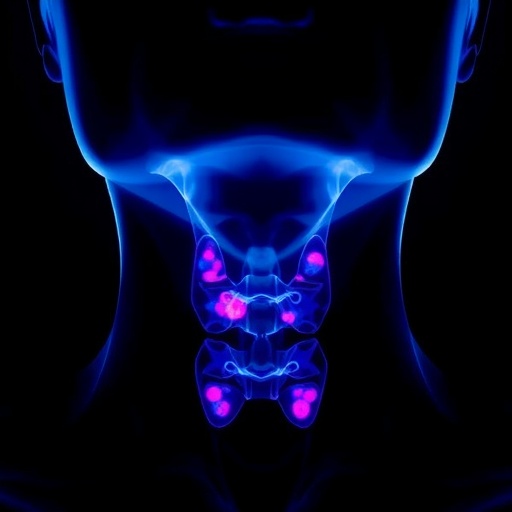
In an intriguing and rare case within the field of oncology, recent findings have illuminated the complex interplay between two forms of thyroid cancer: calcitonin-negative medullary thyroid carcinoma (MTC) and multifocal papillary thyroid carcinoma (PTC). This case report details a unique presentation where these two distinct pathological entities coexist within a single patient, offering a significant contribution to our understanding of thyroid malignancies. Thyroid cancers are known for their diverse manifestations, but instances of co-existing malignancies, particularly those that exhibit divergent biological behaviors, warrant deeper examination and discussion.
Calcitonin-negative MTC is a subtype of medullary thyroid carcinoma characterized by the absence of calcitonin production. This is particularly noteworthy as the majority of medullary thyroid carcinomas typically secrete this hormone. The implications of this characteristic are profound, as calcitonin levels are often used as a biomarker for diagnosis and monitoring. The rarity of calcitonin-negative MTC adds layers of complexity in both diagnosis and treatment, making cases of such nature pivotal for advancing our understanding and management of the disease.
Meanwhile, multifocal PTC is the most common type of thyroid cancer, often exhibiting well-differentiated characteristics that usually associate with a favorable prognosis. However, its multifocal nature means that the cancer can appear in various regions of the thyroid gland, making both diagnosis and treatment strategies more challenging. The juxtaposition of these two cancers in a single patient provides a unique framework for investigating their potential biological interactions and the implications for patient prognosis and treatment approaches.
The report in question delves into the clinical presentation, diagnostic methods, and therapeutic decision-making processes employed in this particular case. It discusses how the initial diagnostic imaging suggested a multifocal thyroid mass, prompting further investigation. The complexity of the case necessitated a multidisciplinary team approach, involving endocrinologists, oncologists, and pathologists, to reach an accurate diagnosis. In the context of an evolving cancer landscape, collaborative approaches are becoming increasingly vital for effective patient management.
As the case unfolds, it highlights the importance of histopathological evaluation. Fine-needle aspiration biopsy (FNAB) played a crucial role in securing a definitive diagnosis. The FNAB results confirmed the presence of PTC, but the unexpected finding of MTC significantly altered the clinical management strategy. This showcases the indispensable nature of advanced imaging and biopsy techniques in the realm of oncology, allowing for more targeted and effective treatment plans.
Moreover, the case report extensively illustrates the genetic and molecular underpinnings that may differentiate calcitonin-negative MTC from its secretory counterpart. Emerging research emphasizes the potential role of genetic mutations and epigenetic modifications that can influence the development and behavior of these tumors. Understanding the molecular mechanisms at play can lead not only to improved prognostic markers but also to novel therapeutic avenues that foster better outcomes for patients facing such complex cases.
The treatment landscape for thyroid cancers is continually evolving, and the presentation of both MTC and PTC in a single patient raises questions about the optimal therapeutic approach. The case report discusses the decision to pursue surgical intervention, noting that the extent of surgery remained a contentious topic among the multidisciplinary team. Careful consideration of the patient’s overall health, tumor characteristics, and growth patterns was essential in deciding whether to pursue total thyroidectomy versus a more conservative approach. This highlights the nuance required in managing multi-focal neoplasms, particularly when compounded morbidity is a concern.
On a broader scale, the case also encourages reflection on the epidemiology of thyroid cancer. As the incidence of thyroid malignancies rises globally, it is essential to address not only the biological and clinical aspects but the sociocultural factors influencing patient care. Understanding variations in tumor presentation, such as those observed in this case, can ultimately contribute to more personalized treatment approaches that take into account patients’ unique circumstances.
Furthermore, literature reviews included in the case report reveal a limited but growing body of work exploring calcitonin-negative MTC and its relationship with other thyroid cancers. The authors aptly argue that the presentation of unique cases serves as a vital touchpoint for oncologists and researchers alike, advocating for more comprehensive data collection and case analysis. As medicine moves towards a more evidence-based practice, cases like this one stand as crucial teaching moments that can enrich the collective understanding of such rare conditions.
The integration of findings from such unique cases into clinical practice is paramount for fostering improved patient outcomes. As the medical community continues to dissect the intricate layers of thyroid cancer pathology, a commitment to ongoing research is necessary. The convergence of insights drawn from clinical, genetic, and epidemiological perspectives offers the potential to reshape treatment paradigms and develop more precise, tailored oncological care.
In conclusion, this case report sheds light on the rare coexistence of calcitonin-negative medullary thyroid carcinoma and multifocal papillary thyroid carcinoma, providing fertile ground for discussion within the scientific community. As we navigate through these complexities, clinicians must remain vigilant and adaptable, underscoring the need for continued investigation and collaborative practices. The evolving landscape of thyroid cancer management is a testament to the infinite possibilities that scientific inquiry can unlock, ultimately aiming for better prognoses and quality of life for patients.
In the vast ocean of medical research, every case report, particularly those relating to co-existing pathologies, adds a crucial piece to the puzzle of cancer biology. As experts in the field absorb and process these findings, they contribute not only to their immediate context but to the global body of knowledge, paving the way for innovations that may redefine treatment strategies in the years to come.
Subject of Research: The coexistence of calcitonin-negative medullary thyroid carcinoma and multifocal papillary thyroid carcinoma.
Article Title: Calcitonin-negative medullary thyroid carcinoma combined with multifocal papillary thyroid carcinoma: a case report and literature review.
Article References:
Ma, W., Lin, L., Zhang, W. et al. Calcitonin-negative medullary thyroid carcinoma combined with multifocal papillary thyroid carcinoma: a case report and literature review. BMC Endocr Disord (2026). https://doi.org/10.1186/s12902-026-02172-7
Image Credits: AI Generated
DOI: 10.1186/s12902-026-02172-7
Keywords: thyroid cancer, calcitonin-negative medullary thyroid carcinoma, multifocal papillary thyroid carcinoma, case report, oncology, histopathology, cancer treatment, genetic mutations.
Tags: advancements in thyroid cancer managementcalcitonin-negative medullary thyroid carcinomacoexistence of thyroid cancerscomplex thyroid malignanciesdiagnosis and treatment of thyroid cancerdivergent biological behaviors in cancermedullary thyroid carcinoma characteristicsmultifocal papillary thyroid carcinomamultifocality in thyroid canceroncology case studiesrare thyroid cancer case reportsthyroid cancer biomarkers



