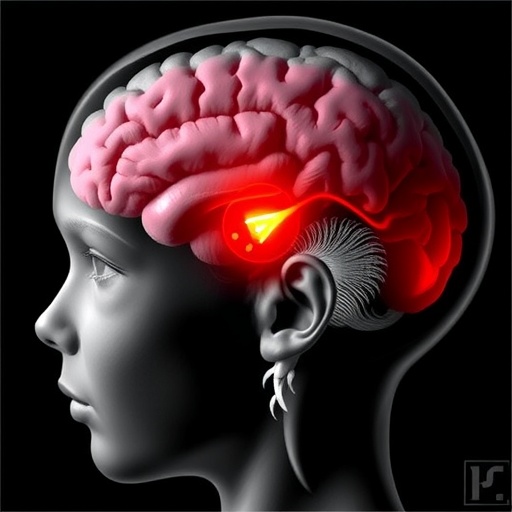
Cranial fasciitis, particularly of the ethmoid, stands out as a rare and perplexing condition that closely mimics more common pediatric intracranial malignancies. This disorder is infused with both intrigue and complexity, as it presents through a constellation of symptoms that can easily mislead clinicians into making a grave diagnosis. In the realm of pediatric radiology, such challenges are especially pronounced, necessitating a keen understanding of the nuances differentiating these two entities. The significance of identifying cranial fasciitis lies not only in the accurate diagnosis but also in the urgency of addressing potential treatment pathways that can greatly influence patient outcomes.
In pediatric populations, the differential diagnoses for cranial fasciitis often overlap with more sinister conditions. Intracranial malignancies frequently exhibit similar clinical presentations, such as localized swelling, pain, and changes in neurological status. Children are particularly vulnerable to swift disease progression, making prompt and precise diagnosis imperative. Healthcare professionals must be equipped to discern the subtleties that distinguish cranial fasciitis from tumors, thus preventing unnecessary interventions or the escalation of anxiety among families grappling with these health concerns.
Recent cases documented in medical literature provide unique insights into the clinical manifestations of cranial fasciitis of the ethmoid. Patients typically present with nonspecific symptoms including headache, fever, and localized tenderness. These signs are not unique to cranial fasciitis, making initial assessment challenging. Advanced imaging modalities, such as magnetic resonance imaging (MRI) and computed tomography (CT) scans, play critical roles in the diagnostic process, revealing characteristic findings that can guide physicians towards an accurate clinical picture.
Radiological evaluation is a cornerstone in distinguishing cranial fasciitis from other entities. For instance, imaging studies may reveal soft tissue swelling and signs of inflammation in the vicinity of the ethmoid bone. These findings hold considerable weight in guiding the differential diagnosis. Of fundamental importance is the recognition that cranial fasciitis can present as an ill-defined mass that might easily fall under suspicion for malignancy, underscoring the need for experienced radiologists to evaluate such cases critically.
Management of cranial fasciitis involves both medical and surgical approaches, although the latter is reserved for cases that display an aggressive progression or do not respond favorably to conservative management. Antibiotic therapy forms a central component of the treatment protocol, particularly since bacterial infections are implicated in the disease’s etiology. The timely initiation of antibiotics can help mitigate further complications and improve clinical outcomes.
Beyond treatment, the psychosocial impact of a cranial fasciitis diagnosis on the child and family cannot be overstated. The transition from the uncertainty of diagnosis to a definitive treatment path entails considerable emotional upheaval. Parents must navigate a labyrinth of information and potential outcomes, particularly when initial evaluations raise the specter of malignancy. Support systems and clear communication from healthcare providers are vital in navigating this distressing journey.
The nuances involved in cranial fasciitis epitomize the importance of continuous education and research in the medical community. This condition underscores the necessity for both practitioners and researchers to remain vigilant and informed about rare entities that may mimic more common conditions. Ongoing studies and case reports contribute invaluable data to a body of knowledge that can ultimately guide best practices for diagnosis and treatment.
As innovative imaging techniques evolve, there is hope for refining diagnostic capabilities further. Multidisciplinary approaches involving pediatricians, radiologists, surgeons, and pathologists emphasize the importance of teamwork in managing cases of cranial fasciitis. By pooling expertise, medical professionals can leverage diverse perspectives, leading to improved outcomes for affected children.
In conclusion, cranial fasciitis of the ethmoid serves as a reminder of the complexities that pediatric healthcare professionals face when navigating the murky waters of diagnostic dilemmas. Heightened awareness and understanding of this rare mimic of malignancy are crucial in avoiding misdiagnosis. As the medical community continues to gather evidence and share insights, the ultimate goal remains clear: to enhance the quality of care and safeguard the well-being of young patients.
Through the lenses of research and clinical practice, cranial fasciitis challenges the status quo, prompting a re-evaluation of how pediatric cases are approached. This evolving narrative emphasizes that no symptom should be overlooked, and every case merits thorough exploration. The culmination of personal stories, clinical experiences, and research endeavors come together to shape a more informed future for the management of cranial fasciitis.
In sum, while the rarity of cranial fasciitis might easily lead to a complacent view of its clinical implications, its profound potential to complicate pediatric care cannot be ignored. This multifaceted condition deserves the attention of clinicians and researchers alike to enhance understanding, improve diagnostic accuracy, and ultimately provide better outcomes for children who are impacted by this enigmatic disease.
Subject of Research: Cranial fasciitis of the ethmoid, a rare mimic of pediatric intracranial malignancy.
Article Title: Cranial fasciitis of the ethmoid: a rare mimic of pediatric intracranial malignancy.
Article References:
Oh, J., Parker, R., Charles, A. et al. Cranial fasciitis of the ethmoid: a rare mimic of pediatric intracranial malignancy.
Pediatr Radiol (2025). https://doi.org/10.1007/s00247-025-06498-7
Image Credits: AI Generated
DOI: 10.1007/s00247-025-06498-7
Keywords: cranial fasciitis, ethmoid, pediatric, intracranial malignancy, diagnosis, treatment, imaging, antibiotics.
Tags: accurate diagnosis in pediatric healthclinical presentation of cranial fasciitiscranial fasciitis symptomsdifferential diagnosis in pediatricsethmoid region disordershealthcare professional trainingintracranial malignancies in childrenmisdiagnosis in pediatric patientspediatric radiology challengespediatric tumor mimicsRare cranial fasciitistreatment pathways for cranial fasciitis