Angioimmunoblastic T-cell lymphoma (AITL) is a rare, aggressive subtype of peripheral T-cell lymphoma, characterized by a constellation of clinical features, including fever, weight loss, and generalized lymphadenopathy. Due to its aggressive nature, treatment regimens necessitate a multifaceted approach, integrating systemic therapy with adjunctive services such as radiotherapy. Recent research has shed new light on the pivotal role of radiotherapy in improving the overall prognosis of patients suffering from this challenging malignancy.
A significant study conducted by Lin et al. investigates the effects of combining radiotherapy with systemic therapy on early mortality rates among patients diagnosed with AITL. This groundbreaking research provides vital insights that may revolutionize treatment protocols for this along with various other aggressive lymphomas in the hematological landscape. The team’s findings suggest a stark reduction in early mortality rates, illustrating the immense benefit of comprehensive therapeutic approaches tailored for AITL patients.
Historically, T-cell lymphomas have been notoriously resistant to treatment. Standard therapies often embrace a combination of chemotherapy and targeted agents. Nevertheless, the adverse prognostic factors associated with AITL, particularly in advanced stages, add layers of complexity to patient management. The role of radiotherapy as a supplementary treatment modality has often been underestimated but is now receiving the attention it deserves based on new evidence provided by Lin and colleagues.
The study highlights that early-stage AITL patients who received both systemic therapy and radiotherapy demonstrated a marked improvement in survival rates compared to those receiving systemic treatment alone. This finding begs the question of whether existing treatment guidelines should be revised to incorporate radiotherapy more routinely in managing AITL. The synergy between the two therapeutic approaches not only tackles the tumor effectively but also has implications for patient quality of life.
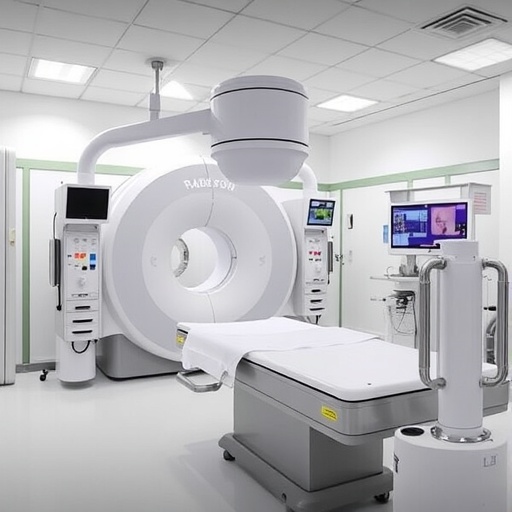
Radiotherapy operates through targeted action, maximizing the damage to cancer cells while minimizing collateral impact on surrounding healthy tissues. This precision is crucial in AITL management, where the disease frequently presents as a disseminated condition. The incorporation of advanced technologies in radiation delivery, such as intensity-modulated radiation therapy, further enhances the effectiveness and safety of this treatment modality.
As AITL progresses, there is a tendency for the tumor microenvironment to foster immune evasion, making systemic therapies less effective. The integration of radiotherapy may counteract these immunosuppressive mechanisms, reinvigorating the immune response and allowing systemic agents to work more effectively. This dual-action approach could potentially signify a major breakthrough in the fight against AITL.
The authors of the research article propose a multidisciplinary strategy in managing AITL, which involves hematologists, radiation oncologists, and pathologists working collaboratively. Such interdisciplinary involvement is essential not just for administrating treatment but also for appropriately selecting patients who might benefit most from radiotherapy. Clinical decision-making requires a nuanced understanding of each patient’s unique characteristics, including genetic markers and specific disease presentations.
While the study produced robust statistical data to support the use of radiotherapy, it is essential to proceed with caution. As any new treatment paradigm is considered, it is critical to conduct further research and validation studies to confirm these exciting findings. Randomized controlled trials with larger patient cohorts will be necessary to solidify the role of radiotherapy in AITL treatment protocols.
Another intriguing facet of the research concerns the potential economic implications of combining treatments. The early intervention with radiotherapy not only improves survival rates but may also reduce overall healthcare costs by preventing disease recurrence and the subsequent need for more aggressive treatments. Analyzing the cost-effectiveness of this treatment combination is essential for maximizing healthcare resources.
Furthermore, the study opens avenues for future research into identifying biomarkers predictive of treatment response. If specific genetic or molecular markers can be linked to sensitivity to radiotherapy, clinicians might better tailor treatments to the individual patient. Such personalized approaches could lead to better outcomes and an overall improvement in the standard of care for AITL.
In summary, the study authored by Lin et al. marks a pivotal moment in the treatment landscape for angioimmunoblastic T-cell lymphoma. By illuminating the benefits of combining radiotherapy with systemic therapy, we might be on the cusp of a new standard of care for this challenging malignancy. As the medical community digs deeper into this subject matter, continuous discussions and advancements in treatment strategies will be critical in improving patient outcomes.
Overall, this emerging research offers a glimpse into an integrated approach that could potentially reshape how clinicians address not only AITL but various forms of aggressive lymphomas. The findings challenge existing paradigms and advocate for incorporating radiotherapy into the treatment arsenal, leading to enhanced survival and improved quality of life for patients grappling with this formidable disease.
While it is easy to feel optimistic about these findings, researchers emphasize the importance of collaborative efforts and further validation to ensure that the results can be generalized across diverse patient populations. Continued research in this area is crucial, as the complexities of AITL demand innovative and robust treatment responses.
In summary, the future of angioimmunoblastic T-cell lymphoma treatment appears promising, anchored in the significant findings stemming from rigorous research efforts. With combined therapies becoming increasingly recognized for their synergistic effects, the patient-centered approach to managing this aggressive malignancy heralds an exciting new chapter in hematology.
Subject of Research: Angioimmunoblastic T-cell lymphoma treatment.
Article Title: Radiotherapy in addition to systemic therapy reduces the early mortality of angioimmunoblastic T-cell lymphoma.
Article References: Lin, Y., Lin, Q., Xu, Q. et al. Radiotherapy in addition to systemic therapy reduces the early mortality of angioimmunoblastic T-cell lymphoma. Ann Hematol 105, 57 (2026). https://doi.org/10.1007/s00277-026-06796-6
Image Credits: AI Generated
DOI: https://doi.org/10.1007/s00277-026-06796-6
Keywords: Angioimmunoblastic T-cell lymphoma, radiotherapy, systemic therapy, early mortality, treatment strategies, hematology.
Tags: adverse prognostic factors in AITLaggressive peripheral T-cell lymphomaAITL treatment strategiesAngioimmunoblastic T-cell lymphomachemotherapy and targeted agentscomprehensive therapeutic approaches for cancer.early mortality in lymphoma patientshematological malignancy managementimproving prognosis in AITLmultifaceted cancer treatment approachesradiotherapy and systemic therapyrevolutionary lymphoma treatment protocols