• HOME
  • NEWS
  • EXPLORE
    • CAREER
      • Companies
      • Jobs
    • EVENTS
    • iGEM
      • News
      • Team
    • PHOTOS
    • VIDEO
    • WIKI
  • BLOG
  • COMMUNITY
    • FACEBOOK
    • INSTAGRAM
    • TWITTER
Wednesday, October 7, 2026
BIOENGINEER.ORG
No Result
View All Result
  • Login
  • HOME
  • NEWS
  • EXPLORE
    • CAREER
      • Companies
      • Jobs
        • Lecturer
        • PhD Studentship
        • Postdoc
        • Research Assistant
    • EVENTS
    • iGEM
      • News
      • Team
    • PHOTOS
    • VIDEO
    • WIKI
  • BLOG
  • COMMUNITY
    • FACEBOOK
    • INSTAGRAM
    • TWITTER
  • HOME
  • NEWS
  • EXPLORE
    • CAREER
      • Companies
      • Jobs
        • Lecturer
        • PhD Studentship
        • Postdoc
        • Research Assistant
    • EVENTS
    • iGEM
      • News
      • Team
    • PHOTOS
    • VIDEO
    • WIKI
  • BLOG
  • COMMUNITY
    • FACEBOOK
    • INSTAGRAM
    • TWITTER
No Result
View All Result
Bioengineer.org
No Result
View All Result
Home NEWS Science News Health

Radiation drugs with longer shelf life brings hope for cancer patients globally

Bioengineer by Bioengineer
March 19, 2020
in Health
Reading Time: 2 mins read
0
IMAGE
Share on FacebookShare on TwitterShare on LinkedinShare on RedditShare on Telegram

Cost effective radiation technique targeted
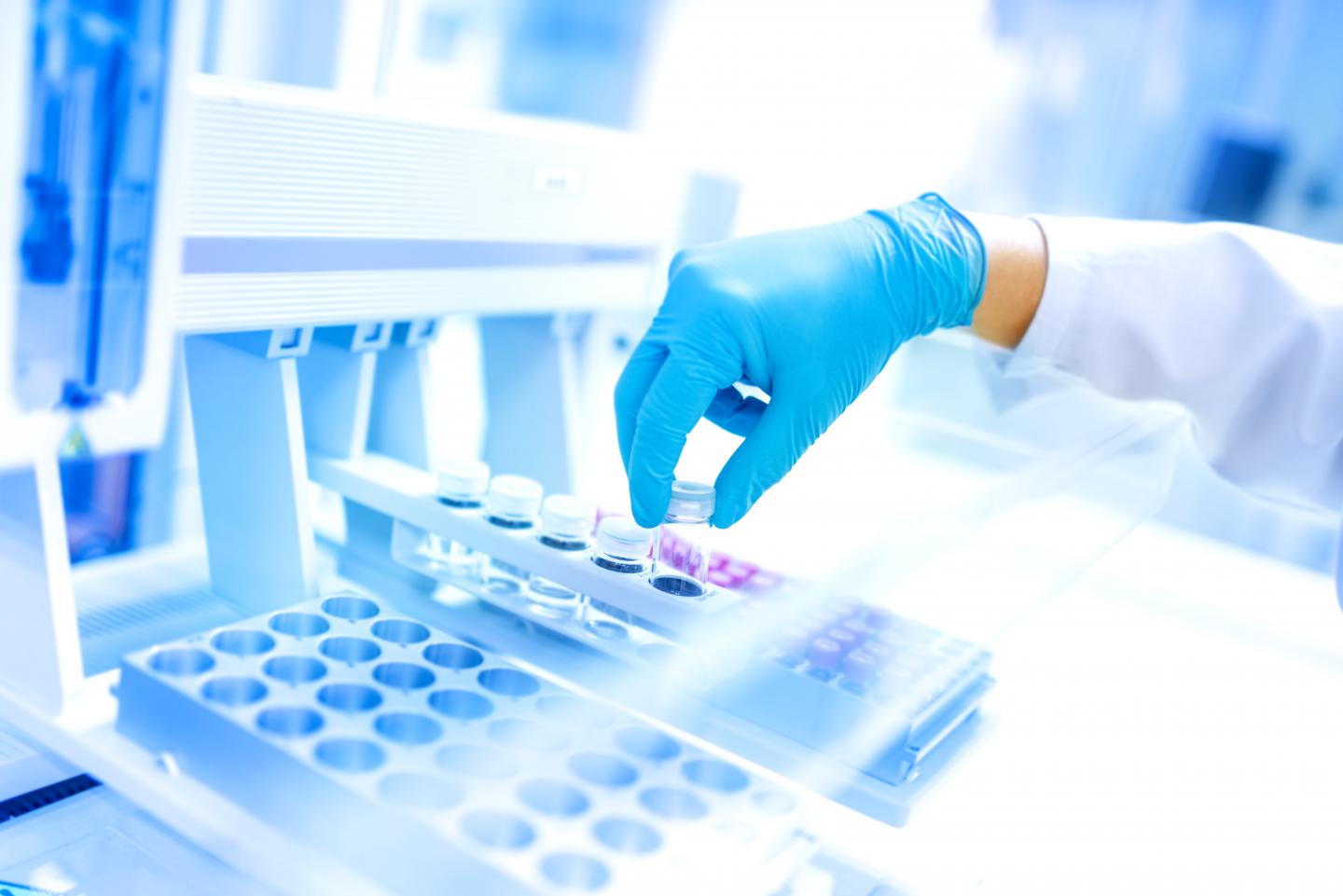
IMAGE

Credit: Image: IMCRC


People with hard-to-reach cancers in the kidney, gut and prostate will have improved hope for early diagnosis and treatment with new research aimed at increasing the shelf life of revolutionary radiation drugs.

Funding of AU$2.5 million will kickstart a two-year manufacturing research project that will harness the combined expertise of the School of Chemistry, Bio21 Institute, University of Melbourne and the Peter MacCallum Cancer Centre to increase the shelf-life of radiation drugs, so they can be shipped to patients globally.

Telix Pharmaceuticals and Cyclotek, with co-funding from of the Innovative Manufacturing Cooperative Research Centre (IMCRC), will contribute AU$1 million to the project and will lead the research to create a manufacturing production process. They will also work with external partners, iphase Technologies and GenesisCare, to develop and streamline the manufacturing process.

Radiation drugs, known as ‘radiopharmaceuticals’, can be used to locate and see cancer cells in the body, including hard-to- reach places using the imaging technology, Positron Emission Tomography (PET).

By capturing the radio isotope in a selective ‘cage like’ molecule and fusing it to a targeting molecule, the radiation can be directly transported to the cancerous cells for detection of tumours.

In the case of kidney, neuroendocrine and prostate cancers, there are specific ‘homing’ molecules that can transport the radioactive cargo to the cancer cells, including those that are hidden in the hard-to-reach nooks and crannies of the body like the gut, kidney and prostate.

Again, the process makes it possible to diagnose cancer cells that would otherwise go undetected. Once diagnosed, a higher energy radioisotope can then be used to destroy the cancer cells.

The ability of the drugs to target cancer cells also reduces the number of healthy cells that are damaged by more traditional ways of administering radiation therapy.

“It has taken years of basic research at the School of Chemistry, Bio21 Institute, to develop the carrier compounds that are the principle behind this technology,” said Professor Paul Donnelly from the School of Chemistry, Bio21 Institute at the University of Melbourne. “It’s exciting to see these compounds being developed for clinical use and manufacture.”

Currently, isotopes are being produced locally within the Peter MacCallum Cancer Centre for cancer patients by the company, Cyclotek.

“The challenge is to create radio-labelled diagnostic and therapeutic agents with a longer half-life, that lend themselves to manufacture and distribution beyond the hospital walls,” said Michael Wheatcroft of Telix Pharmaceuticals.

Mr David Chuter, the CEO and Managing Director of the Innovative Manufacturing CRC, said the manufacturing research project will open up a world of potential to treat cancer more effectively.

“The project will build the foundation to safely and cost-effectively manufacture life changing targeted cancer radiation drugs in Australia, and export them to the world.”

###

Media Contact
Lito Viisoni Wilson
[email protected]
61-466-867-909

Original Source

https://about.unimelb.edu.au/newsroom/news/2020/march/radiation-drugs-with-longer-shelf-life-brings-hope-for-cancer-patients-globally

Tags: BiochemistryChemistry/Physics/Materials SciencesPharmaceutical Sciences
Share13Tweet8Share2ShareShareShare2

Related Posts

Simple Insulin Sensitivity Score Predicts Diabetes Risk in Women, Study Finds

Simple Insulin Sensitivity Score Predicts Diabetes Risk in Women, Study Finds

October 7, 2026
Medical Interpreters Do Far More Than Translate—and AI Cannot Replace It Yet

Medical Interpreters Do Far More Than Translate—and AI Cannot Replace It Yet

October 7, 2026

Rising Lactate Levels May Signal Deadly Neonatal Bowel Disease Early

October 7, 2026

Simple Blood and Weight Index Predicts Complications After Heart Bypass Surgery in the Elderly

October 7, 2026
Please login to join discussion

POPULAR NEWS

  • Alloys That Shrink Their Own Grains: New PIX Mechanism Refines Metals With Heat Alone

    Alloys That Shrink Their Own Grains: New PIX Mechanism Refines Metals With Heat Alone

    29 shares
    Share 12 Tweet 7
  • Endurance Exercise Reshapes the Liver in Males and Females Through Distinct Molecular Routes

    29 shares
    Share 12 Tweet 7
  • Single Transcription Factor PU.1 Rapidly Converts Fibroblasts into Macrophage-Lineage Cells

    29 shares
    Share 12 Tweet 7
  • New Scale Measures How Ready Nurse Educators Really Are for the AI Era

    29 shares
    Share 12 Tweet 7

About

We bring you the latest biotechnology news from best research centers and universities around the world. Check our website.

Follow us

Recent News

Alloys That Shrink Their Own Grains: New PIX Mechanism Refines Metals With Heat Alone

Endurance Exercise Reshapes the Liver in Males and Females Through Distinct Molecular Routes

Single Transcription Factor PU.1 Rapidly Converts Fibroblasts into Macrophage-Lineage Cells

Subscribe to Blog via Email

Success! An email was just sent to confirm your subscription. Please find the email now and click 'Confirm' to start subscribing.

Join 85 other subscribers
  • Contact Us

Bioengineer.org © Copyright 2023 All Rights Reserved.

Welcome Back!

Login to your account below

Forgotten Password?

Retrieve your password

Please enter your username or email address to reset your password.

Log In
No Result
View All Result
  • Homepages
    • Home Page 1
    • Home Page 2
  • News
  • National
  • Business
  • Health
  • Lifestyle
  • Science

Bioengineer.org © Copyright 2023 All Rights Reserved.