A randomized, double-blind, placebo-controlled trial conducted in Tunisia has found that a quercetin–bromelain formulation significantly reduced the incidence of respiratory deterioration among hospitalized patients with COVID-19. The study, published in BMC Pharmacology and Toxicology, enrolled 244 adults with confirmed SARS-CoV-2 infection who were receiving standard supportive care, and it represents one of the more rigorous investigations to date of a supplement combination that has circulated widely in popular discussions of COVID-19 self-treatment. While the headline result is striking, the authors themselves caution that several features of the trial—including its retrospective registration and exploratory subgroup analyses—mean the findings should be treated as promising rather than practice-changing.
The rationale for combining quercetin with bromelain rests on complementary pharmacology. Quercetin is a plant-derived flavonoid with documented anti-inflammatory, antioxidant, and immunomodulatory properties; in preclinical work it has been reported to interfere with viral replication and to dampen the exaggerated inflammatory responses that drive severe COVID-19. Bromelain, a mixture of proteolytic enzymes extracted from pineapple stem, has been studied for its mucolytic, anti-edema, and anti-inflammatory effects, and laboratory evidence suggests it may enhance the intestinal absorption of quercetin, which is otherwise poorly bioavailable. The pairing is therefore intended to deliver both a bioactive polyphenol and an enzyme that improves its uptake while contributing its own anti-inflammatory activity.
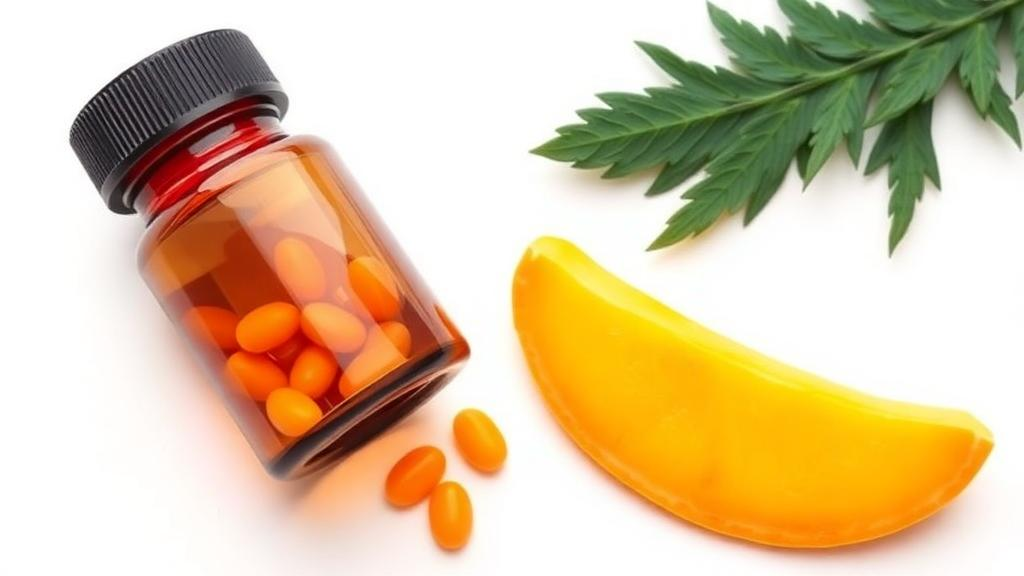
In the trial, participants were randomly assigned in a 1:1 ratio to receive either the quercetin–bromelain formulation or a placebo, in addition to standard supportive care. Each capsule contained 400 milligrams of quercetin and 100 milligrams of bromelain with an enzymatic activity exceeding 2,000 gelatin digesting units. The dosing schedule called for 800 milligrams of quercetin per day for the first 10 days, followed by a maintenance dose of 400 milligrams per day for 30 days. The primary outcome measure was respiratory deterioration, with secondary outcomes including cardiac complications, in-hospital mortality, and length of hospital stay.
The primary result favored the supplement. Respiratory deterioration occurred in 9.0 percent of patients in the quercetin–bromelain group compared with 21.3 percent of those receiving placebo, a relative risk of 0.42 with a 95 percent confidence interval of 0.22 to 0.81 and a p-value of 0.007. In practical terms, patients given the formulation were less than half as likely to experience worsening of their respiratory status during hospitalization as those given placebo. For a condition in which respiratory decline is the central driver of intensive care admission and death, an intervention that halves that risk—even in a single trial—commands attention.
The secondary outcomes told a more restrained story. The researchers did not observe statistically significant differences between the groups in in-hospital mortality or in the length of hospital stay. This pattern is not unusual for trials of this size: mortality differences in particular require very large sample sizes to detect, and a 244-patient study is powered mainly for more frequent endpoints such as clinical deterioration. The absence of an effect on hospital stay suggests that any benefit of the supplement, if real, is concentrated in preventing escalation of disease rather than in accelerating recovery among those who remain stable.
Two exploratory subgroup analyses added nuance. Among patients with less than 40 percent pulmonary involvement on baseline chest computed tomography, the overall complication rate was 18.4 percent in the treatment group versus 40.5 percent in the placebo group, a statistically significant difference with a p-value of 0.03. And among patients with pre-existing comorbidities—the group at highest baseline risk of cardiovascular events—the rate of cardiac complications was 4.4 percent with the supplement versus 14.0 percent with placebo, again a significant difference with a p-value of 0.02. The authors emphasize that these subgroup findings are exploratory and should be interpreted with caution, since subgroup analyses in trials of this scale are prone to chance findings and were not the primary focus of the study design.
The cardiac signal deserves particular note. COVID-19 is now well recognized as a disease with substantial cardiovascular consequences, including myocardial injury, arrhythmias, and thrombotic events, especially in patients with hypertension, diabetes, or other chronic conditions. If the observed reduction in cardiac complications among patients with comorbidities is confirmed in larger studies, it would suggest that the quercetin–bromelain combination may act on inflammatory and oxidative pathways relevant beyond the lung. Bromelain’s fibrinolytic and anti-edema properties have been proposed as potentially relevant to the microvascular complications of COVID-19, though this remains speculative at the current stage of evidence.
The trial has limitations that the authors acknowledge transparently. Most notably, the study was registered retrospectively in the Pan African Clinical Trial Registry on 6 June 2024, under a registry initiative that permits inclusion of studies already in progress or completed. Retrospective registration weakens the guarantee that outcomes were analyzed exactly as prespecified, a common concern in supplement trials. In addition, because the intervention combined two active compounds, the effects cannot be attributed to quercetin alone; bromelain may have contributed independently or through enhanced quercetin absorption. The authors call for larger, prospectively registered multicenter randomized controlled trials to confirm the findings and to disentangle the individual and combined contributions of the two components.
Context matters when weighing these results. Quercetin and bromelain have been marketed and self-administered extensively during the pandemic, often on the basis of laboratory and observational evidence far weaker than what this trial provides. A properly randomized, double-blind, placebo-controlled design is the gold standard for establishing causal treatment effects, and this study meets that standard for its primary endpoint. At the same time, a single-center trial in one country, with a modest sample size and retrospective registration, cannot settle the question of whether quercetin–bromelain should become part of standard supportive care for hospitalized COVID-19 patients. The appropriate reading is that the trial provides credible preliminary evidence of benefit on respiratory deterioration and justifies larger confirmatory studies.
For clinicians and the public, the practical takeaway is measured. The trial does not support abandoning established COVID-19 therapies or replacing vaccination and antiviral treatment with supplements. Nor does it establish safety and efficacy across all patient populations, disease severities, or dosing regimens. What it does establish is that a defined quercetin–bromelain formulation, given at a specific dose and schedule alongside standard care, was associated with a substantially lower rate of respiratory worsening in a hospitalized cohort, with hints of benefit for cardiac outcomes in comorbid patients. Whether that signal survives replication in adequately powered, prospectively registered multicenter trials will determine whether this inexpensive and widely available combination earns a place in clinical guidelines or remains an intriguing footnote in the long search for adjunctive COVID-19 therapies.
Subject of Research: A randomized controlled trial of quercetin–bromelain supplementation for clinical outcomes in hospitalized COVID-19 patients
Article Title: Quercetin–bromelain supplementation and clinical outcomes of COVID-19: a randomized, double-blind, placebo-controlled trial in hospitalized patients in Tunisia
Article References: Gargouri, M., Gargouri, H., Jedidi, J., Issaoui, N., Ketata, I., Ghorbel, H., Zrelli, L., Azouzi, H., & Boukhchina, M. A. (2026). Quercetin–bromelain supplementation and clinical outcomes of COVID-19: a randomized, double-blind, placebo-controlled trial in hospitalized patients in Tunisia. BMC Pharmacology and Toxicology. https://doi.org/10.1186/s40360-026-01257-2
Image Credits: AI Generated
DOI: 10.1186/s40360-026-01257-2
Keywords: quercetin, bromelain, COVID-19, randomized controlled trial, respiratory deterioration, cardiac complications, hospitalized patients, Tunisia, clinical trial, supplements, pharmacology, SARS-CoV-2
News Source: Ophelia Keating. (October 16, 2026). Quercetin–Bromelain Supplement Cut Respiratory Deterioration in Hospitalized COVID-19 Patients, Trial Finds. Scienmag.