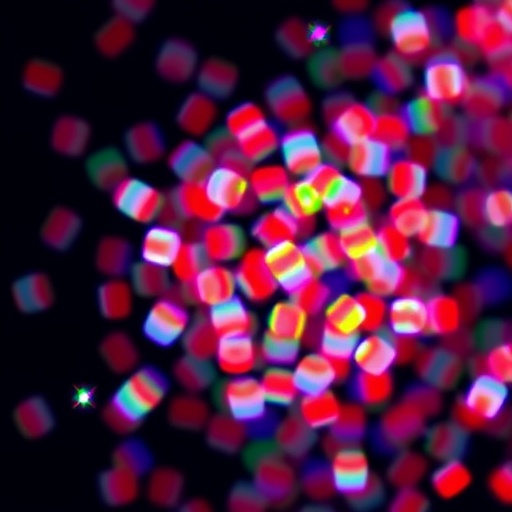
In a groundbreaking investigation, researchers have delved into the potential of label-free flow-imaging microscopy as a novel approach for the quantitative analysis of natural killer (NK) cells. NK cells, crucial components of the innate immune system, play a pivotal role in the body’s defense against viral infections and tumors. Traditional methods of analyzing these cells often rely heavily on labeling techniques, which can alter the cells’ natural state and potentially affect their behavior. This new study opens up exciting avenues for understanding NK cell dynamics without the intrinsic limitations imposed by fluorescent dyes.
Label-free microscopy techniques, particularly flow-imaging microscopy, enable scientists to visualize and quantify live cells in their natural environment. By focusing on morphological parameters—characteristics such as cell shape and size—researchers can gain real-time insights into cellular processes. The approach described in the study could significantly enhance the real-time monitoring and assessment of NK cell functionality, offering a potentially transformative method for immunological research and clinical applications.
The study was spearheaded by a dedicated team of researchers, including Lamsal, Shin, and Kim, who utilized advanced microscopy techniques to explore the features of NK cells. Their work recognizes that the ability to measure morphological parameters accurately can yield valuable data about cellular states, such as activation status and health, thus allowing researchers to forge connections between cellular behavior and immune responses.
A core advantage of this innovative approach is its label-free nature, which minimizes the risk of altering cellular behavior through fluorescent labeling. The researchers demonstrated how changes in morphological characteristics can correlate with NK cell functionality. For instance, activated NK cells display distinct morphological features that differ markedly from their resting counterparts. By employing flow-imaging microscopy, the team could capture these differences in a more nuanced and meaningful way, paving the path for future studies leveraging similar methodologies.
The quantitative analysis achieved through label-free imaging allows for nuanced interpretations of cell behavior over time. This is particularly important given the dynamic nature of immune responses, where the ability to track changes in real-time can provide insights into how NK cells respond to various stimuli, including pathogens and tumor cells. Real-time data can enhance our understanding of cellular dynamics and support the development of interventions that can manipulate these responses in therapeutic contexts.
Moreover, the implications of this research extend beyond basic science. Understanding NK cell dynamics can inform the development of novel immunotherapeutics aimed at enhancing anti-tumor activity or combating viral infections. Insights gleaned from the morphological analysis can guide researchers in identifying potential biomarkers for immune dysfunction, an essential step in devising strategies for more robust clinical interventions.
As the investigation progresses, it is clear that the transition to label-free methodologies heralds a new era in cell analysis. Researchers are now more equipped than ever to study the complexities of immune cells without compromising their integrity. This could lead to more reliable outcomes in preclinical and clinical settings, changing the landscape of immunological research.
Furthermore, the findings underscore the importance of multidisciplinary collaboration in advancing scientific knowledge. The integration of advances in microscopy, computational analysis, and immunology showcases how collaborative efforts can lead to fundamental breakthroughs. Each feature of the research process— from hypothesis generation to data interpretation—reflects the synergy between various fields contributing to a deeper understanding of biological systems.
The scientific community has long recognized the need for methodologies that can offer robust data while preserving cell viability and functionality. By pushing the boundaries of current imaging techniques, this team of researchers has provided a template for future explorations into cell biology. The implications stretch across numerous domains, including regenerative medicine and cancer therapy, where understanding the intricate behaviors of immune cells is paramount.
With the potential for broad applications, the findings of this research hold promise for the next generation of diagnostics and therapeutics. The label-free approach could reshape how researchers and clinicians approach cancer treatment, vaccine development, and even strategies for managing autoimmune diseases. The cell biology field stands on the brink of a paradigm shift, with innovative techniques leading the way.
As we look forward to the possible applications of this research, it is essential to remain vigilant about the necessary validations and refinements. Peer engagement and replication studies will be vital in establishing the reliability and robustness of findings, ensuring that the excitement surrounding label-free flow-imaging microscopy continues to grow grounded in reproducible science.
In conclusion, Lamsal and colleagues’ exploration into label-free imaging of NK cells represents a significant stride in immunology and cell biology. Embracing these innovative approaches can lead to a more profound understanding of immune dynamics and inform the development of advanced therapeutic strategies that harness the full potential of the immune system. As the scientific community continues to confront the challenge of infectious diseases and cancers, studies like this illuminate pathways toward more effective solutions and a healthier future.
Subject of Research: Natural killer (NK) cells and their quantitative analysis using label-free flow-imaging microscopy.
Article Title: Can label-free flow-imaging microscopy based on morphological parameters be used to quantitatively analyze NK–cells?
Article References:
Lamsal, A., Shin, H.Y., Kim, SK. et al. Can label-free flow-imaging microscopy based on morphological parameters be used to quantitatively analyze NK–cells?.
J. Pharm. Investig. (2026). https://doi.org/10.1007/s40005-026-00803-8
Image Credits: AI Generated
DOI: https://doi.org/10.1007/s40005-026-00803-8
Keywords: NK cells, flow-imaging microscopy, label-free techniques, immune response, quantitative analysis, cellular dynamics, immunotherapy.
Tags: advanced microscopy techniquesclinical applications of NK cell studiesimmunological research innovationsinnate immune system researchlabel-free flow imaging microscopylive cell visualization methodsmorphological parameters in immunologynatural killer cell dynamicsNK cell functionality assessmentquantitative NK cell analysisreal-time cellular monitoringtraditional cell analysis limitations