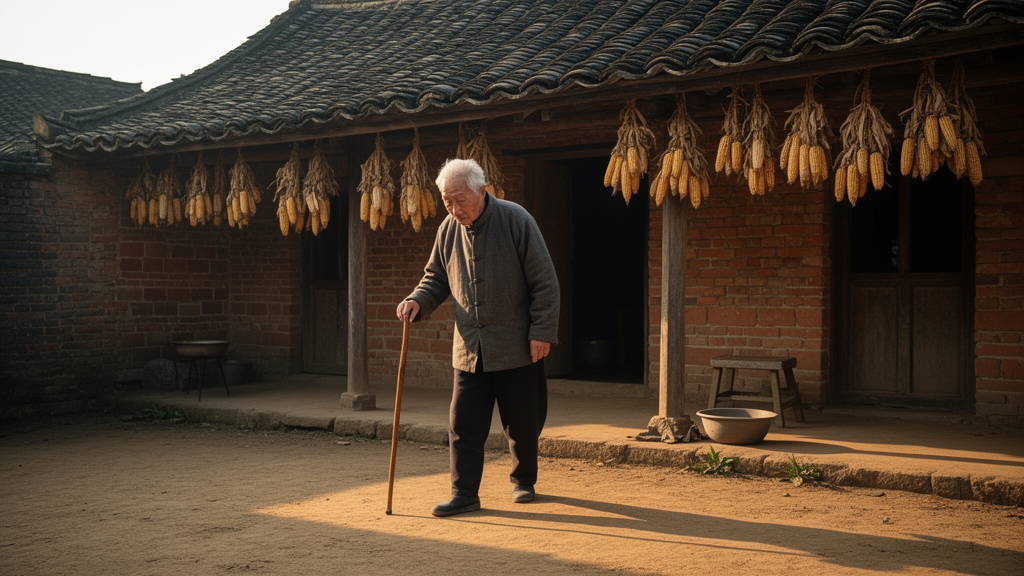
A descriptive qualitative study of 21 rural adults aged 60 or older who underwent hip or knee replacement found that home-based rehabilitation was shaped by pain and functional limitations, limited family and community support, and interactions between traditional beliefs and modern rehabilitation practices. The interviews were conducted from January to March 2025 at the orthopedic outpatient clinics of two tertiary hospitals in Nantong, China, and analyzed using Colaizzi’s seven-step method.
Researchers recruited 21 adults living in non-urban administrative areas who had undergone primary total hip or total knee arthroplasty within the preceding six months. Face-to-face, semi-structured interviews lasting approximately 45 to 60 minutes were conducted after outpatient visits. Maximum variation sampling sought differences in age, sex, arthroplasty type, postoperative month, marital status, living arrangement and education. Data saturation was reached after the 20th interview, and one additional interview produced no substantially new themes.
All participants had received a standardized written home-rehabilitation plan on discharge, including joint-specific guidance on ankle pumps, straight-leg raises and active range-of-motion exercises. Audio and video recordings, field notes and transcripts were analyzed by two researchers. Five available participants, representing both sexes and both operation types, later received oral summaries of preliminary findings for validation rather than reviewing verbatim transcripts, a choice made because of potential literacy barriers.
Three core themes and nine subthemes emerged. The first concerned physical rehabilitation challenges, including pain, functional limitations and exercise adaptations. Participants described avoiding formal pain management because of cost concerns or distrust of pharmaceuticals and relying on accessible traditional methods. Cultural expectations that older people should endure pain also shaped their decisions. Limited household space and unclear written guidance prompted some participants to alter prescribed exercises, sometimes in ways that departed from the instructions.
An 81-year-old man, one month after hip replacement, reported using a broomstick as a walker. It slipped and he fell, after which his son hid it. A 70-year-old man, two months after knee replacement, said his bed was too high for leg raises, so he swung his legs while sitting. A 65-year-old woman said she had interpreted the instruction to bend her knee as rocking in a chair. These accounts illustrate the practical gap between standardized instructions and the equipment, space and language available in participants’ homes.
The second theme, limited family and community support, centered on weakened networks of practical and emotional care. Migration of adult children to cities left some participants dependent on remote contact, while spousal assistance could burden caregivers who were themselves experiencing physical decline. Participants also described reluctance to ask neighbors for help because assistance created a sense of obligation or could invite judgments about their families. Village clinics generally offered little targeted rehabilitation expertise; one participant said a nurse gave her a Mandarin pamphlet she could not read and told her to follow the pictures.
The third theme examined negotiations between traditional beliefs and modern rehabilitation. Distance, financial constraints and familiarity with traditional practices influenced participants’ use of moxibustion, herbal poultices and plasters. Some attributed functional decline to aging, reduced their rehabilitation efforts or prioritized their children’s financial needs over their own care. Others used spiritual or folk explanations for slow recovery, including karmic obstacles, an inappropriately chosen surgery date or a heavy soul. The authors cautioned that these preferences should not be characterized simply as rejection of modern medicine; the accounts reflected both practical barriers and culturally shaped expectations.
The findings offer preliminary guidance for service development rather than evidence that a particular intervention is effective. Potential approaches described by the researchers include rehabilitation materials suited to limited health literacy, structured post-discharge follow-up, support and basic guidance for family caregivers, and closer coordination between tertiary hospitals and rural primary care. The authors emphasized that the feasibility, effectiveness and resource requirements of these approaches require further evaluation before wider implementation.
Several limitations constrain the findings. Participants came from one region of Jiangsu Province and were recruited only if they returned to tertiary hospitals for follow-up, potentially excluding people with the greatest transportation, mobility or caregiver barriers. The cross-sectional design captured experiences at a single point, and only patients were interviewed. Combining hip and knee replacement patients may also obscure procedure-specific differences, although researchers checked whether the main themes appeared in both groups. Occupational histories and structured socioeconomic measures were not collected, and retrospective accounts may have been affected by recall or interviewer influence. The findings therefore describe the experiences of this single-region sample and may not transfer directly to other rural settings.
Subject of Research: Home-based hip and knee replacement rehabilitation among rural older adults in China
Article Title: Home-based rehabilitation after hip or knee arthroplasty among rural older adults in China: a qualitative study
Article References: Wang, Y., Huang, W., Deng, J., & Gu, J. (2026). Home-based rehabilitation after hip or knee arthroplasty among rural older adults in China: a qualitative study. Frontiers in Public Health, 14, Article 1957794. https://doi.org/10.3389/fpubh.2026.1957794
Image Credits: AI Generated
DOI: 10.3389/fpubh.2026.1957794
Keywords: home rehabilitation, hip replacement, knee replacement, rural older adults, qualitative study, arthroplasty, caregiver support, primary care, health literacy, traditional medicine, Home-based, rehabilitation
News Source: Ophelia Keating. (October 21, 2026). Qualitative study identifies physical, social and cultural barriers to home rehabilitation after joint replacement in rural older adults. Scienmag.