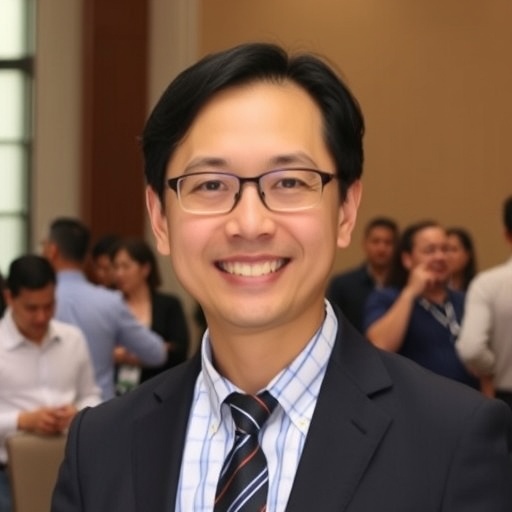
BOSTON, MA — August 14, 2026 — The global race to turn aging biology into medicines is moving to the center of biomedical science, as Insilico Medicine and the organizers of the Aging Research & Drug Discovery (ARDD) Meeting announce that Kan Chen, Ph.D., co-head of healthcare and partner at Qiming Venture Partners, will be a featured speaker at the 13th annual gathering. ARDD 2026 will take place from October 1 to 3 at the David Rubenstein Treehouse at Harvard University, bringing together scientists, clinicians, pharmaceutical executives, biotechnology founders, investors, and policymakers at a moment when longevity research is rapidly shifting from speculative theory toward clinically oriented drug development.
The meeting arrives as geroscience—the study of the biological mechanisms that drive aging and age-related disease—enters a decisive phase. Researchers increasingly view aging not as a single disorder but as a complex network of interacting processes, including cellular senescence, mitochondrial dysfunction, chronic inflammation, loss of proteostasis, epigenetic changes, impaired stem-cell function, and declining tissue repair. These mechanisms influence multiple diseases simultaneously, from cancer and cardiovascular disease to neurodegeneration, diabetes, and frailty. The therapeutic promise of the field lies in targeting those shared biological pathways in order to extend healthspan, the period of life spent in good physical and cognitive health, rather than merely adding years to the human lifespan.
Vadim Gladyshev, executive chair of ARDD and professor of medicine at Harvard University, said the biology of aging has become one of the most promising frontiers in biomedical science. He emphasized that the central challenge is no longer simply identifying molecular changes associated with aging, but translating those discoveries into interventions that produce measurable improvements in healthspan. That transition requires collaboration across disciplines that have historically operated separately. Molecular biologists, computational scientists, clinical investigators, drug developers, regulators, and investors must now work together to determine which aging mechanisms are causal, which biomarkers reliably reflect biological change, and which interventions can be tested safely in humans.
This distinction between correlation and causation is one of the field’s most important scientific hurdles. Aging tissues often display thousands of altered genes, proteins, metabolites, and epigenetic marks, but not every change drives decline. Some are consequences of damage, some are adaptive responses, and others may be incidental. Modern longevity research therefore increasingly relies on systems biology, single-cell sequencing, artificial intelligence, and longitudinal human studies to map how biological networks change over time. Drug discovery platforms can use these data to identify targets that influence several age-related pathways at once, while biomarker technologies may help researchers select patients, monitor biological responses, and determine whether an experimental treatment is affecting the underlying aging process.
ARDD 2026 is expected to showcase this growing connection between fundamental research and therapeutic development. The organizers describe the meeting as a global nexus linking academic laboratories with clinical research programs, major pharmaceutical companies, emerging biotechnology firms, and institutional capital. Leaders from ten of the world’s largest pharmaceutical companies are scheduled to participate, reflecting the increasing interest of the established drug industry in interventions that could address multiple diseases through common mechanisms. For pharmaceutical developers, the attraction is substantial: a successful gerotherapeutic could potentially reduce the burden of several conditions at once, although demonstrating that broad benefit will require carefully designed trials and clinically meaningful endpoints.
Morten Scheibye-Knudsen, co-chair of ARDD and associate professor at the University of Copenhagen, said the conference’s move to Boston marks a new chapter for the meeting. Boston is one of the world’s most concentrated biomedical ecosystems, with major universities, hospitals, biotechnology companies, venture funds, and pharmaceutical research centers located within a tightly connected region. Holding ARDD at Harvard places the event near institutions working on aging biology, translational medicine, artificial intelligence, and therapeutic development. The location also reflects the organizers’ view that the field has matured beyond isolated academic discoveries and now demands sustained coordination between researchers capable of uncovering mechanisms and organizations capable of converting them into medicines.
Insilico Medicine, which officially organizes the 2026 meeting, is one of the companies pursuing an artificial-intelligence-driven approach to drug discovery and aging research. In principle, computational systems can analyze large biomedical datasets to identify disease-associated pathways, generate potential molecular targets, and propose chemical structures for laboratory testing. Such tools do not eliminate the need for experimental validation; rather, they aim to narrow the search space and accelerate the cycle between biological insight and candidate drug design. In longevity research, where aging involves interacting networks rather than a single molecular defect, computational models may be especially useful for integrating genomic, transcriptomic, proteomic, imaging, and clinical data.
The meeting is anchored by Tier 1 sponsors Insilico Medicine and Eli Lilly, with the McKinsey Health Institute serving as the sole knowledge partner. Tier 3 sponsors include AbbVie, AniVC, AstraZeneca, BioAge Labs, Biocytogen, Cambrian Bio, Cyclarity Therapeutics, Dior, GlycanAge, Gordian Biotechnology, Human Longevity, the Institute for Healthier Living Abu Dhabi, LongeVC, Maxwell Biosciences, Nestlé, Tally Health, and TruDiagnostic. Synaro Capital, The Cat Health Company, and PranaGen Bioscience are supporting the conference as Tier 4 sponsors, while Estée Lauder, Morgan Stanley, the Intrinsic Capacity Frailty & Sarcopenia Research Conference for Healthy Longevity, and QuadraScope are listed as Tier 5 sponsors. The breadth of this network illustrates how longevity science now spans drug development, diagnostics, nutrition, consumer health, finance, and preventive medicine.
Alex Zhavoronkov, Ph.D., co-chair of ARDD and chief executive officer of Insilico Medicine, said the meeting’s momentum demonstrates that longevity biotechnology has become a foundational component of modern drug discovery and health economics. That claim reflects a broader shift in how aging is viewed by industry. Instead of treating age-related illnesses as entirely separate markets, researchers and companies are investigating whether interventions aimed at fundamental aging mechanisms can delay or modify several diseases together. The approach remains scientifically and clinically challenging: aging is heterogeneous, people age at different rates, and regulatory pathways for therapies intended to influence aging itself are still developing. Nevertheless, advances in biomarkers, precision medicine, and trial design are creating new opportunities to test these ideas in humans.
ARDD 2026 will also continue the meeting’s role as a forum for debate over how longevity research should be evaluated. A credible therapy must demonstrate more than an attractive effect in cells or laboratory animals. Researchers need evidence that a treatment reaches the relevant tissues, changes a validated biological pathway, and improves outcomes that matter to patients. Possible measures include physical function, frailty, immune resilience, cognitive performance, disease incidence, or combinations of molecular and clinical indicators. The Nordic Aging Society, a nonprofit scientific organization dedicated to advancing research on the biology of aging and collaboration across the Nordic region and beyond, is supporting the event. As the conference returns to the United States for its 13th year, its central question is becoming increasingly urgent: can the mechanisms of aging be translated into safe, scalable interventions that help people remain healthy for longer?
Subject of Research: Aging biology, geroscience, longevity biotechnology, and the development of therapies designed to extend healthspan.
Article Title: ARDD 2026 to Bring Aging Science and Longevity Drug Discovery to Harvard University
News Publication Date: August 14, 2026
Web References: agingpharma.org
Image Credits: ARDD 2026
Keywords: Aging research, geroscience, longevity biotechnology, drug discovery, healthspan, biological aging, artificial intelligence, Insilico Medicine, Harvard University, ARDD 2026, biomedical research, pharmaceutical development
Tags: Aging Biologyaging biomarkers and diagnosticsaging-related disease mechanismsbiotech investment in agingcellular senescence and agingclinical development of anti-aging therapiesdrug discovery for aginggeroscience advancesHarvard aging research symposiumlongevity research conferencemitochondrial dysfunction in age-related diseasespolicy implications for longevity science