In a ground-breaking study published in the prestigious journal Pediatr Radiol, researcher M. Atalar dives deep into the less-charted territory of vascular anomalies, specifically focusing on long-segment internal carotid artery dolichoectasia. A rarely encountered condition in the field of pediatric radiology, this anomaly can present as a pulsatile neck mass, and Atalar’s findings offer critical insights that could transform diagnostic approaches in this area.
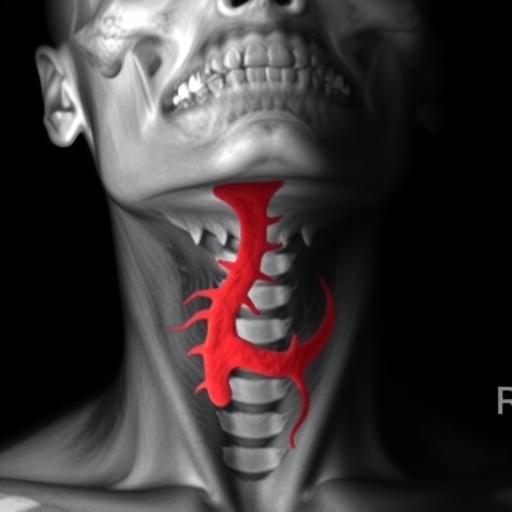
Long-segment internal carotid artery dolichoectasia is characterized by an abnormal elongation and dilation of the internal carotid artery. This condition is particularly intriguing because of its presentations that may often mimic other vascular pathologies, creating potential challenges for clinicians. An understanding of its nuanced imaging characteristics is paramount for accurate diagnosis. The study offers a detailed examination of radiological findings, providing clinicians with visual cues that are essential for identification.
One notable aspect of dolichoectasia is its prevalence in a certain demographic. While this condition can theoretically occur in individuals of any age, its manifestations are more common in the older population. However, when it occurs in younger patients, as highlighted in Atalar’s study, it can lead to significant misdiagnoses. Children reporting a pulsatile neck mass may be subjected to a battery of unnecessary tests unless carefully evaluated by experienced practitioners knowledgeable about this condition.
Through advanced imaging techniques, including MRI and CT angiography, Atalar meticulously illustrates the distinct vascular architecture associated with long-segment internal carotid artery dolichoectasia. This imaging approach not only underscores the disease’s characteristics but also serves as a cornerstone for differential diagnosis. Such sophisticated imaging modalities enable the visualization of internal structures and dynamics that are crucial for understanding the pathophysiology of the condition.
Symptoms associated with this atypical vascular anomaly can range from being asymptomatic to serious complications, such as stroke. Atalar emphasizes that symptoms often hinge on the extent of vascular compromise and the presence of hemodynamic changes. The study discusses the importance of recognizing early warning signs and symptoms that can guide timely intervention and management.
In addition to the clinical implications, the study also highlights the importance of cross-disciplinary communication among physicians. Pediatricians, radiologists, and neurologists must work collaboratively to navigate the complexities of this disorder. By fostering a dialogue among various specialties, the misdiagnosis of long-segment internal carotid artery dolichoectasia can be minimized, potentially improving patient outcomes.
In discussing treatment options, Atalar does not propose a one-size-fits-all model. Instead, the research advocates for a personalized approach dependent on a careful assessment of each case. Surgical interventions may be warranted for some patients, particularly in those with significant symptomatic presentation, while others may benefit from conservative monitoring. This distinction is critical, as overtreatment can bring unnecessary risks.
The socio-economic implications of such vascular anomalies cannot be ignored. The burden on healthcare systems, particularly in pediatrics, extends beyond financial costs; it involves emotional tolls on families and disaffection with healthcare providers when conditions are poorly understood. Atalar’s work addresses these issues by underscoring the need for awareness and education among healthcare providers regarding long-segment internal carotid artery dolichoectasia.
As the exploration of this rare vascular entity continues, Atalar calls for further research into the long-term outcomes of affected patients. Understanding the natural history of dolichoectasia, including its potential for progressive changes over time, is vital. Large-scale, multicentric studies could illuminate patterns and prognostic indicators, ultimately refining current treatment modalities.
Furthermore, this research sets a precedent for understanding other, perhaps similarly overlooked vascular anomalies. By shining a light on long-segment internal carotid artery dolichoectasia, Atalar paves the way for increased investigation into vascular conditions that often do not receive the attention they require. Such pioneering work could trigger a ripple effect, encouraging scientists and clinicians to delve deeper into the complexities of vascular health in the pediatric population.
Finally, the implications of Atalar’s findings stretch far beyond the confines of individual case management. As the medical community integrates these discoveries into their practices, there’s a potential shift in how vascular health, especially in children, is perceived and treated. Emphasis on education, training, and improved diagnostic capabilities will inevitably enhance the standard of care delivered to patients suffering from challenging vascular disorders.
In the rapidly evolving world of medical diagnostics, Atalar’s study serves as a much-needed reminder of the intricacies involved in seemingly straightforward presentations such as pulsatile neck masses. It encourages ongoing research, comprehensive education, and thorough examinations, cementing the need for a vigilant and informed approach to pediatric vascular health.
Subject of Research: Long-segment internal carotid artery dolichoectasia as a cause of pulsatile neck mass
Article Title: Long-segment internal carotid artery dolichoectasia: a rare cause of pulsatile neck mass
Article References:
Atalar, M. Long-segment internal carotid artery dolichoectasia: a rare cause of pulsatile neck mass.
Pediatr Radiol (2026). https://doi.org/10.1007/s00247-025-06496-9
Image Credits: AI Generated
DOI: 10.1007/s00247-025-06496-9
Keywords: Dolichoectasia, internal carotid artery, vascular anomalies, pediatric radiology, pulsatile neck mass
Tags: carotid dolichoectasia in pediatricscritical insights in vascular imagingdiagnostic challenges in dolichoectasiaimaging characteristics of vascular anomaliesinternal carotid artery conditionslong-segment carotid artery dilationmisdiagnosis of neck masses in childrenpediatric radiology insightsprevalence of dolichoectasia in older adultspulsatile neck massradiological findings in carotid conditionsvascular anomalies in children