

• HOME
  • NEWS
  • EXPLORE
    • CAREER
      • Companies
      • Jobs
    • EVENTS
    • iGEM
      • News
      • Team
    • PHOTOS
    • VIDEO
    • WIKI
  • BLOG
  • COMMUNITY
    • FACEBOOK
    • INSTAGRAM
    • TWITTER
Sunday, December 21, 2025
BIOENGINEER.ORG
No Result
View All Result
  • Login
  • HOME
  • NEWS
  • EXPLORE
    • CAREER
      • Companies
      • Jobs
        • Lecturer
        • PhD Studentship
        • Postdoc
        • Research Assistant
    • EVENTS
    • iGEM
      • News
      • Team
    • PHOTOS
    • VIDEO
    • WIKI
  • BLOG
  • COMMUNITY
    • FACEBOOK
    • INSTAGRAM
    • TWITTER
  • HOME
  • NEWS
  • EXPLORE
    • CAREER
      • Companies
      • Jobs
        • Lecturer
        • PhD Studentship
        • Postdoc
        • Research Assistant
    • EVENTS
    • iGEM
      • News
      • Team
    • PHOTOS
    • VIDEO
    • WIKI
  • BLOG
  • COMMUNITY
    • FACEBOOK
    • INSTAGRAM
    • TWITTER
No Result
View All Result
Bioengineer.org
No Result
View All Result
Home NEWS Science News Health

Protect protruding teeth from damage and long-term consequences

Bioengineer by Bioengineer
May 14, 2019
in Health
Reading Time: 2 mins read
0
IMAGE
Share on FacebookShare on TwitterShare on LinkedinShare on RedditShare on Telegram

IMAGE

Credit: The University of Adelaide

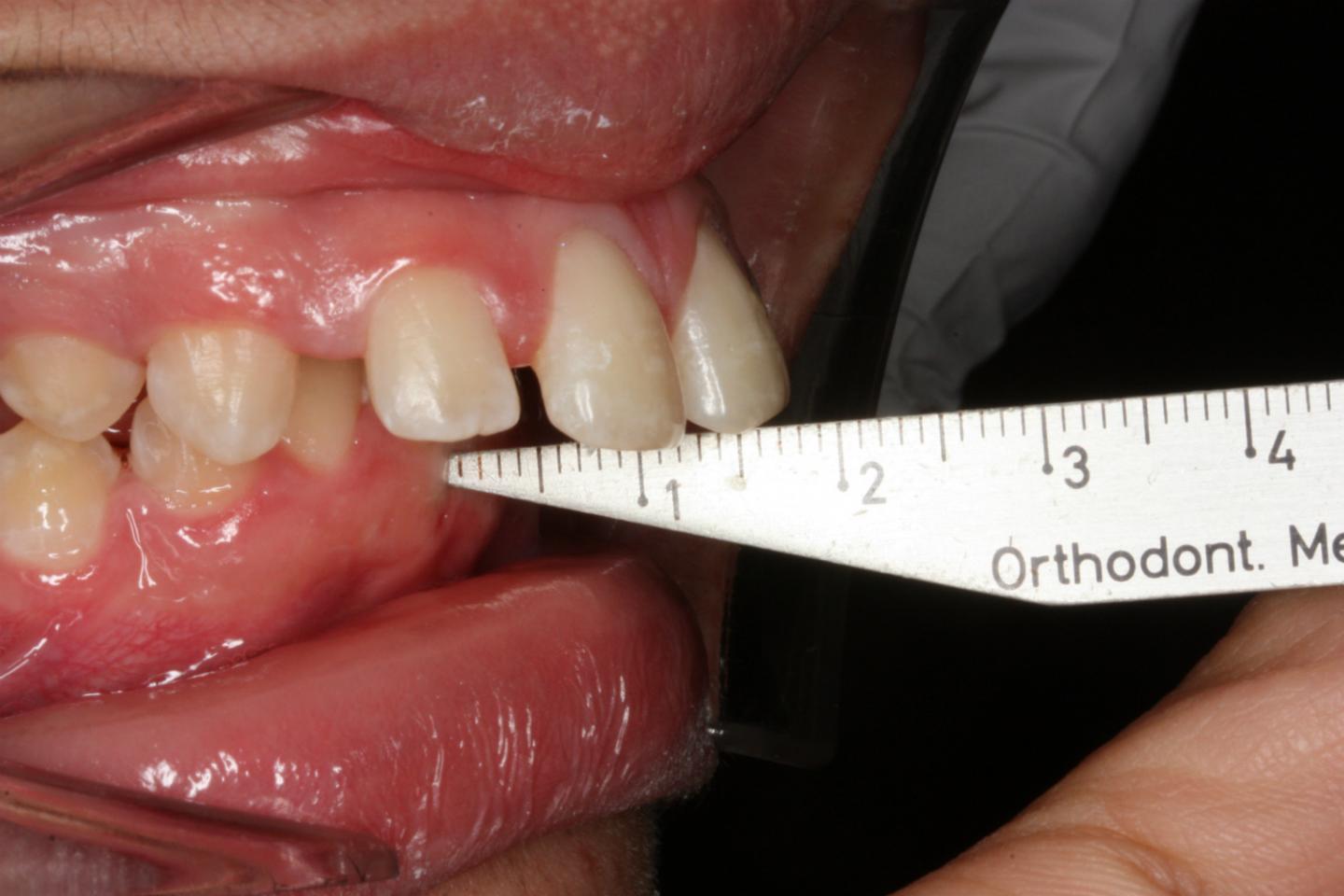
Children with their first or early adult set of teeth that stick out have an increased chance of damaging them, but the risk can be easily reduced without being prohibitively costly.

A study undertaken at the University of Adelaide of more than 50,000 children aged under 19 years published in the journal Dental Traumatology, confirms a direct link between the degree to which a young patient’s teeth protrude and the chance of damaging them.

“Traumatic dental injuries have been identified as the fifth most prevalent disease or injury globally and their subsequent management is costly,” says Dr Esma Dogramaci, Senior Lecturer in Orthodontics, the University of Adelaide.

“While the number of traumatic dental injuries have fallen over recent decades, they have significant physical, psychological and economic consequences.

“Young children up to the age of six years with teeth that stick out more than 3mm have over three times higher chance of trauma than children without protruding teeth.

Children over six years with teeth that protrude more than 5mm have over double the chance of trauma,” says Dr Dogramaci.

Corrective orthodontic treatment of children’s teeth isn’t usually undertaken until all permanent adult teeth have come through – usually after the age of 12 years. However, an expensive visit to an orthodontist isn’t essential to protect teeth that stick out.

“A dentist can easily measure how far a child’s teeth stick out and recommend whether they should be fitted with a brace. They can apply simple braces which can reduce the prominence of protruding teeth and significantly reduce the chance of them being damaged,” says Dr Dogramaci.

If children suck their thumb this may also cause the teeth to stick out so they should be discouraged from this habit as early as possible. Children should also wear a mouth guard to protect protruding teeth when playing sports.

“Early identification and protection of protruding teeth through regular dental check-ups reduces the chance of early problems becoming long-term dental issues,” says Dr Dogramaci.

“If young teeth are broken or knocked out long-term issues may occur like the need for root canal treatment or even tooth loss, requiring a lifetime commitment for general dental treatment.

“Also, if orthodontic treatment is carried out on teeth that have previously suffered from trauma, further complications can occur during orthodontics that could lead to the loss of those teeth.

“The results of this study confirm that regular check-ups, particularly for children, are a must for good long-term dental health.”

###

The research was carried out by the Adelaide Dental School, the University of Adelaide.

Media Contact
Dr Esma J Dogramaci
[email protected]

Original Source

https://www.adelaide.edu.au/news/news106822.html

Related Journal Article

http://dx.doi.org/10.1111/edt.12481

Tags: Dentistry/Periodontal DiseaseMedicine/Health
Share12Tweet8Share2ShareShareShare2

Related Posts

BAF155 Drives Brain Myelination, Autism Behaviors in Mice

December 21, 2025

TMEM120A Regulates Fat Lipids via ER CoA Channel

December 21, 2025

Empowerment Model Boosts COPD Patients via Telenursing

December 21, 2025

Insights from Canadian Physicians on Deprescribing in Seniors

December 21, 2025
Please login to join discussion

POPULAR NEWS

  • Nurses’ Views on Online Learning: Effects on Performance

    Nurses’ Views on Online Learning: Effects on Performance

    70 shares
    Share 28 Tweet 18
  • NSF funds machine-learning research at UNO and UNL to study energy requirements of walking in older adults

    71 shares
    Share 28 Tweet 18
  • Unraveling Levofloxacin’s Impact on Brain Function

    53 shares
    Share 21 Tweet 13
  • Exploring Audiology Accessibility in Johannesburg, South Africa

    51 shares
    Share 20 Tweet 13

About

We bring you the latest biotechnology news from best research centers and universities around the world. Check our website.

Follow us

Recent News

BAF155 Drives Brain Myelination, Autism Behaviors in Mice

TMEM120A Regulates Fat Lipids via ER CoA Channel

Hidden Deforestation from Global Mining in 21st Century

Subscribe to Blog via Email

Enter your email address to subscribe to this blog and receive notifications of new posts by email.

Join 70 other subscribers
  • Contact Us

Bioengineer.org © Copyright 2023 All Rights Reserved.

Welcome Back!

Login to your account below

Forgotten Password?

Retrieve your password

Please enter your username or email address to reset your password.

Log In
No Result
View All Result
  • Homepages
    • Home Page 1
    • Home Page 2
  • News
  • National
  • Business
  • Health
  • Lifestyle
  • Science

Bioengineer.org © Copyright 2023 All Rights Reserved.


