Recent studies in oncology have uncovered significant associations between hypoalbuminemia and survival rates among patients with biliary tract cancer. The connection between low levels of serum albumin—a protein synthesized in the liver—and various tumor characteristics lends new insight to the prognostic landscape of this form of cancer. Researchers have diligently sought to unravel the factors that contribute to patient outcomes, and this investigation brings to light important connections encompassing tumor type, received treatment, and even patient sex.
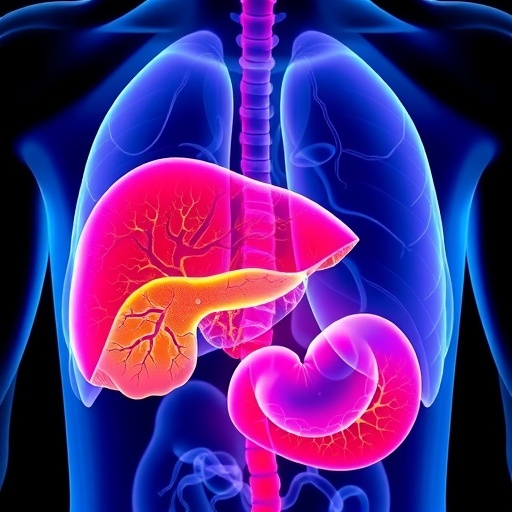
Albumin, a vital protein in human circulation, plays a key role in maintaining osmotic pressure and transporting various substances throughout the body. Hypoalbuminemia typically indicates nutritional deficiencies, chronic disease, or increased protein loss, all pivotal components leading to poorer outcomes for individuals battling cancer. As it turns out, understanding the underpinnings of hypoalbuminemia may not only enhance patient care but also provide new avenues for targeted therapeutic approaches in biliary tract cancer.
In their latest publication, Abdulrazzak et al. delve into how hypoalbuminemia acts as a critical prognostic marker in biliary tract cancer, outlining its implications on survival rates. Their examination reveals that patients exhibiting low serum albumin levels tend to have a more aggressive disease, often correlating with advanced tumor staging at the time of diagnosis. This correlation underscores the necessity for screening albumin levels as part of comprehensive cancer management protocols.
Their research explores the intersection between albumin levels and tumor pathology, including variations across different tumor types. Interestingly, certain malignancies within the biliary tract exhibited a stronger relationship with hypoalbuminemia, suggesting a potentially unique biological behavior or tumor microenvironment. Understanding these differences can enhance oncologists’ ability to customize treatment plans to better suit individual patient profiles.
Moreover, treatment modalities play a crucial role in shaping patients’ serum albumin levels. The study highlights how therapeutic interventions—be it surgery, chemotherapy, or targeted therapies—can influence albumin levels over time. For instance, aggressive treatments often exacerbate nutritional deficiencies, leading to even lower albumin levels, thereby creating a vicious cycle that impacts overall survival. An awareness of this relationship allows healthcare providers to implement nutritional support or adjunct therapies that could mitigate hypoalbuminemia.
The study also considers the sex-based differences in albumin levels and cancer outcomes. Previous research hinted at variances in biological responses to cancer and treatment between male and female patients. The findings from Abdulrazzak et al. confirm these hypotheses, indicating that men and women may experience different survival trajectories relative to their hypoalbuminemia status. This facet urges the necessity to approach treatment from a gender-sensitive perspective, acknowledging that sex-related factors should not be overlooked in clinical decision-making.
Another fascinating aspect of the research pertains to the broader implications of hypoalbuminemia as a systemic marker of health deterioration. As hypoalbuminemia often signifies a decline in nutritional status and overall bodily function, it may serve as an alert for clinicians to enact more aggressive interventions. By integrating hypoalbuminemia assessments into routine evaluations, healthcare teams can better prioritize care strategies that address the physiological needs of biliary tract cancer patients.
The findings from this study also resonate with previous research, reinforcing the critical need for a multi-disciplinary approach to cancer care. When oncologists, nutritionists, and allied health professionals collaborate, they can pull together a more comprehensive treatment framework that accounts for all patient variables, including nutritional aspects closely linked to hypoalbuminemia.
Moreover, there is growing interest in the role of personalized medicine in cancer treatment, where tailored therapies take into consideration individual patient biomarkers, including serum albumin levels. As awareness increases regarding the prognostic importance of such markers, it homogenizes the efforts toward constructing new therapeutic windows to incorporate dietary interventions into treatment plans.
By carefully analyzing the data on hypoalbuminemia and survival outcomes, researchers continue to underscore the complexity of cancer as a systemic disease. As malignant tumors alter metabolic processes, the implications often extend beyond direct tumor biology, enveloping the patient’s overall health status. This interplay enriches the discourse on how we approach cancer treatment, focusing on a holistic understanding of the disease.
In summary, Abdulrazzak et al.’s research substantiates the importance of hypoalbuminemia not merely as a numeric measurement but rather as a significant herald of prognosis in biliary tract cancer. It encourages a continued exploration of nutritional assessment and management within oncological care settings. By focusing on serum albumin levels, we may uncover key insights into individual patient trajectories and pave the way for enhancing survival outcomes in the face of this challenging diagnosis.
In conclusion, as we forge ahead in cancer research and treatment, the insights offered by this pivotal study illuminate essential pathways for enhancing patient care outcomes. The integration of hypoalbuminemia as a prognostic marker allows healthcare professionals to tailor treatments and offers hope for improved quality of life for patients battling biliary tract cancer.
Subject of Research: Prognostic implications of hypoalbuminemia in biliary tract cancer.
Article Title: Hypoalbuminemia as a prognostic marker for survival in biliary tract cancer: associations with tumor type, treatment and sex.
Article References:
Abdulrazzak, M., Björkhem-Bergman, L., Villard, C. et al. Hypoalbuminemia as a prognostic marker for survival in biliary tract cancer: associations with tumor type, treatment and sex.
J Cancer Res Clin Oncol 152, 36 (2026). https://doi.org/10.1007/s00432-025-06408-2
Image Credits: AI Generated
DOI: https://doi.org/10.1007/s00432-025-06408-2
Keywords: Hypoalbuminemia, biliary tract cancer, prognostic marker, serum albumin, treatment strategies, nutritional support.
Tags: advanced tumor staging and prognosischronic disease and albumin levelshypoalbuminemia in biliary cancerimpact of hypoalbuminemia on cancer treatmentliver protein synthesis and cancer prognosisnutritional deficiencies in cancer patientsprognostic significance of serum albuminrole of albumin in cancer caresex differences in cancer outcomessurvival rates in biliary tract cancertargeted therapies for biliary cancertumor characteristics and patient outcomes