In a groundbreaking advancement that could redefine the therapeutic landscape for Parkinson’s disease (PD), a new study published in npj Parkinson’s Disease reveals that probiotic supplementation may significantly alleviate anxiety symptoms in individuals afflicted by this neurodegenerative disorder. This randomized, double-blind, placebo-controlled trial conducted by Lam, J.S.T., Tosefsky, K.N., Ainsworth, N.J., and colleagues represents a pivotal step forward in understanding the microbiota-gut-brain axis as a potential target for managing neuropsychiatric complications associated with PD. The implications of these findings not only challenge traditional pharmacological approaches but also open new vistas for integrative medicine enhancing patients’ quality of life.
Parkinson’s disease has long been characterized by its hallmark motor symptoms, including bradykinesia, rigidity, and tremors, but research increasingly highlights the profound psychiatric and cognitive impairments that accompany this condition. Anxiety, in particular, is a pervasive non-motor symptom that significantly diminishes life quality and complicates disease management. Conventional treatments primarily address motor dysfunction and often fall short in effectively managing anxiety and mood disorders in PD patients, underscoring an unmet need for novel therapeutic strategies. This trial’s design meticulously evaluated whether modulating the gut microbiome through probiotics could mitigate these debilitating neuropsychiatric symptoms.
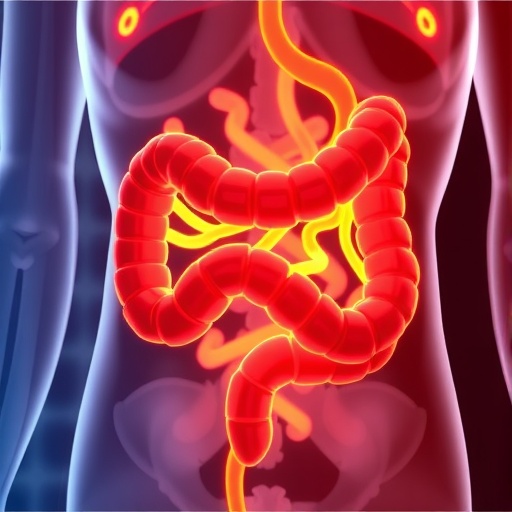
The scientific rationale behind this investigation stems from the burgeoning body of evidence that implicates the gut microbiota in influencing central nervous system function via immunological, neuroendocrine, and vagal pathways. Dysbiosis, or microbial imbalance, has been documented in Parkinson’s patients, correlating with neuroinflammation and alpha-synuclein pathology propagation from the enteric nervous system to the brain. Probiotics—live microorganisms conferring health benefits—have emerged as promising modulators capable of restoring gut microbial equilibrium, reducing systemic inflammation, and potentially modulating neurotransmitter systems involved in anxiety regulation such as gamma-aminobutyric acid (GABA) and serotonin.
The trial enrolled a diverse cohort of Parkinson’s patients exhibiting clinically significant anxiety symptoms, ensuring rigorous screening and stratification to exclude confounding psychiatric or neurological conditions. Participants were randomized to receive either a multi-strain probiotic formulation or a matched placebo over a 12-week intervention period. Anxiety was assessed using validated scales such as the Hamilton Anxiety Rating Scale (HAM-A) and the Parkinson Anxiety Scale (PAS), complemented by biomarkers including inflammatory cytokines and gut microbiota profiling through next-generation sequencing of fecal samples. This comprehensive approach enabled a multidimensional evaluation of probiotic efficacy and mechanistic insights.
Results demonstrated a statistically and clinically meaningful reduction in anxiety scores among the probiotic group compared to placebo, with improvements emerging as early as four weeks into supplementation and sustaining through the study’s end. Concomitant analyses revealed shifts in the gut microbiome composition characterized by increased abundance of beneficial genera such as Lactobacillus and Bifidobacterium, alongside reductions in pro-inflammatory taxa. These microbial changes correlated inversely with circulating inflammatory markers, supporting the hypothesis that probiotic supplementation attenuates systemic inflammation contributing to neuropsychiatric symptoms in PD.
Mechanistically, these findings align with preclinical models indicating that probiotic-induced modulation of the microbiota can influence brain neurotransmitter levels and promote neuroprotective pathways. The observed anxiolytic effects may be mediated by enhanced production of short-chain fatty acids (SCFAs), which exert anti-inflammatory actions and promote blood-brain barrier integrity. Additionally, gut bacterial metabolites may regulate vagus nerve activity, directly impacting central circuits involved in anxiety and mood regulation. This trial offers one of the first human evidence bases linking these mechanistic pathways to meaningful clinical outcomes in a Parkinson’s population.
Notably, probiotic supplementation was well tolerated with no significant adverse events reported, underscoring the potential for these interventions to serve as safe adjuncts or alternatives to conventional anxiolytics, which often carry risks of sedation, cognitive impairment, and drug interactions. This safety profile is particularly relevant in Parkinson’s patients who may be susceptible to medication-induced complications due to polypharmacy and neurodegenerative vulnerabilities. Personalized probiotic formulations could therefore complement existing therapeutic regimens, addressing a critical gap in the comprehensive management of PD-related anxiety.
The study’s double-blind, placebo-controlled design ensures robustness of findings, though the authors acknowledge limitations such as the relatively short follow-up period and the need to investigate long-term effects and functional outcomes beyond symptom reduction. Future research directions include exploring probiotic combinations tailored to individual microbiome signatures, integrating metagenomic and metabolomic analyses for precision medicine approaches, and assessing impacts on other non-motor symptoms like depression and cognitive decline. Expanding such trials could potentially reshape standard care protocols in PD and other neurodegenerative diseases with comorbid psychiatric symptoms.
This research also invigorates the broader scientific discourse on the microbiota-gut-brain axis, emphasizing its translational potential in neuropsychiatric disorders beyond Parkinson’s disease. The intricate bidirectional communication between the gut environment and brain function challenges reductionist views of neurological disorders as purely central phenomena. Instead, it highlights systemic interconnectedness where peripheral interventions can orchestrate central nervous system improvements. Such paradigm shifts encourage multidisciplinary collaborations spanning neurology, gastroenterology, psychiatry, and microbiology.
Clinically, the integration of probiotic supplementation into Parkinson’s disease management invites reevaluation of current guidelines that largely focus on dopaminergic treatments. Given the complexities of anxiety and mood disorders in PD, incorporating gut-targeted therapies could offer holistic benefits encompassing symptom control, enhanced treatment adherence, and possibly disease-modifying effects by mitigating neuroinflammatory cascades. This aligns with patient-centered care models prioritizing symptom burden and quality of life alongside traditional biomarker-driven endpoints.
Importantly, the trial underscores the value of randomized controlled trials in validating complementary and alternative therapies that have often been relegated to anecdotal status. By applying rigorous methodologies, this study elevates probiotics from speculative supplements to evidence-based interventions with measurable clinical impact. It encourages researchers, clinicians, and stakeholders to adopt nuanced frameworks that integrate microbiome science into neurodegenerative disease paradigms, potentially transforming therapeutic landscapes.
The discovery that a relatively simple, non-invasive intervention like probiotic supplementation can generate significant anxiolytic effects in Parkinson’s disease opens exciting horizons. It suggests that leveraging the gut microbiome represents not only a novel therapeutic avenue but also a conceptual breakthrough in treating complex neuropsychiatric symptoms tied to neurodegeneration. As the field evolves, this study lays essential groundwork stimulating innovative research paths and fueling hope for improved patient outcomes through microbiome-centered strategies.
In summary, the compelling evidence from Lam et al.’s clinical trial spotlights probiotics as a promising adjunct therapy that meaningfully reduces anxiety symptoms in Parkinson’s disease patients, supported by mechanistic insights into microbiota modulation and systemic inflammation attenuation. This pioneering work exemplifies the convergence of microbiology, neurology, and psychiatry, heralding a new era where gut-based interventions could revolutionize neurodegenerative disease management. Continued exploration and validation across diverse populations and longer treatment durations will be critical to translate these promising findings into standardized clinical practice.
This breakthrough study charts an invigorating trajectory towards harnessing the gut microbiome’s therapeutic potential, signaling a paradigm shift in how we understand and treat Parkinson’s disease and its multifaceted neuropsychiatric manifestations. It reinforces the transformative power of interdisciplinary science in unlocking novel remedies hidden within our own microbial ecosystems, potentially ushering in an era of precision microbiome medicine tailored to ameliorate the burdens of neurodegeneration and improve quality of life for millions worldwide.
Subject of Research: Probiotic supplementation for anxiety symptoms in people with Parkinson’s disease
Article Title: Probiotic supplementation for anxiety symptoms in people with Parkinson’s disease: a randomized, double-blind, placebo-controlled trial
Article References:
Lam, J.S.T., Tosefsky, K.N., Ainsworth, N.J. et al. Probiotic supplementation for anxiety symptoms in people with Parkinson’s disease: a randomized, double-blind, placebo-controlled trial.
npj Parkinsons Dis. (2026). https://doi.org/10.1038/s41531-026-01364-1
Image Credits: AI Generated
Tags: anxiety treatment in Parkinson’s patientsgut microbiome modulation and mental healthintegrative medicine for Parkinson’s diseasemicrobiota-gut-brain axis in neurodegenerative disordersneurodegeneration and microbiota interventionsnon-motor symptoms management in Parkinson’snovel therapies for Parkinson’s anxietyprobiotic supplementation neuropsychiatric symptomsprobiotics for Parkinson’s disease anxietypsychiatric complications of Parkinson’s diseasequality of life improvement in Parkinson’srandomized placebo-controlled trial Parkinson’s