In a groundbreaking study published in the Journal of Cancer Research and Clinical Oncology, researchers have explored the potential benefits of probiotic therapy following ovarian cancer surgery. The work, led by Geng, Cao, and Chen, investigates how specific probiotic strains can positively influence gut microbiota and enhance the activation of ω-oxidation processes, crucial for metabolic regulation and potentially aiding recovery in cancer patients.
Ovarian cancer, a prevalent form of cancer among women globally, can necessitate extensive surgical intervention, which greatly affects the patient’s overall health and recovery process. The surgery often disrupts normal physiological processes, including the delicate balance of gut microbiota—communities of microorganisms residing in the gastrointestinal tract. These organisms play a critical role in digestion, immune function, and even mood regulation, making them integral to the recovery journey post-surgery.
The conventional treatment for ovarian cancer primarily focuses on surgical removal of tumors followed by chemotherapy. However, these interventions can severely impact the gut microbiome. Disruption of gut flora often leads to complications such as infections, delayed recovery, and other gastrointestinal issues, highlighting the importance of maintaining gut health throughout cancer treatment. The recent research aims to address this gap by examining the feasibility of using probiotics as a supportive therapy.
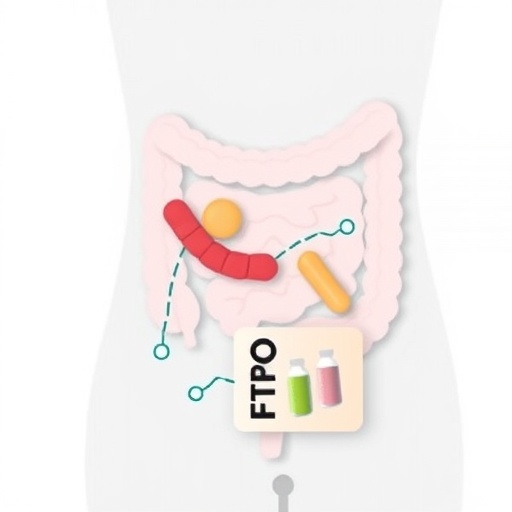
Probiotics, live microorganisms which confer health benefits to the host, have shown promise in various medical fields, from gastrointestinal disorders to immune modulation. By restoring the balance of gut bacteria, probiotics can potentially counteract the adverse effects of surgery and chemotherapy, particularly in the fragile state of postoperative patients. This concept led the researchers to hypothesize that probiotics could serve not only as a complementary therapy but as a significant intervention that fosters recovery among ovarian cancer surgery patients.
In their study, the team administered specific strains of probiotics to a group of patients who underwent ovarian cancer surgery. They meticulously documented changes in gut microbiota composition, metabolic profiles, and overall health outcomes. The findings revealed a significant restoration of favorable microbial communities, which suggested an enhanced capacity for metabolizing nutrients critical for healing and energy production.
Of particular note was the activation of ω-oxidation in the liver, a metabolic pathway involved in breaking down fatty acids. This activation is crucial as it not only aids in energy release but also plays a vital role in managing metabolic processes that can be disrupted by cancer and its treatment. The study observed that the probiotic therapy notably stimulated this pathway, suggesting that a healthy gut microbiome and efficient metabolic functioning are intrinsically linked.
Moreover, the researchers highlighted that the implications of their findings go beyond just aiding physical recovery. A balanced gut microbiome is paramount for mental health, with emerging evidence linking gut health to mood disorders and cognitive functions. Postoperative recovery often includes psychological stressors, making it vital to tackle both physical and mental health dimensions in the healing process.
The study ultimately demonstrates a multi-faceted approach to cancer care that integrates traditional medical practices with emerging therapies such as probiotics. Given the encouraging results, the authors advocate for larger-scale studies to validate these findings and assess the long-term effects of probiotic therapy for ovarian cancer patients undergoing surgery.
As researchers continue to uncover the complexities of the gut microbiome, the potential for probiotics to become a standard adjunct treatment in oncology looms large. This research is pivotal, not only for ovarian cancer care but also for broader cancer treatment protocols. The integration of such therapies could lead to marked improvements in patient outcomes, transforming the standard of postoperative care.
In light of these findings, it is crucial for healthcare professionals to explore the incorporation of probiotics into treatment regimens, ensuring they are well-informed about the potential benefits and mechanisms involved. This proactive approach has the potential to significantly improve patients’ quality of life, paving the way for innovative strategies in cancer recovery.
The future of cancer treatment may very well lie in understanding and manipulating our microbiota. With probiotics offering a window into enhancing metabolic functioning and recovery, researchers are hopeful that this well-trodden area of study will yield profound insights. As more data emerges, there is great potential for revolutionizing traditional cancer treatments and making substantive changes in how care is delivered.
As this research gains traction, it underscores the necessity for ongoing collaboration between medical researchers, clinicians, and nutritionists to create holistic cancer care approaches. Practitioners must encourage patients to consider dietary modifications and probiotic supplementation post-surgery, as these interventions can coexist with standard care, potentially yielding the best results.
Conclusively, this pioneering study opened new avenues for incorporating probiotic therapy in surgical oncology, providing a beacon of hope for improving recovery in patients facing one of the most challenging health battles. As the scientific community continues to dig deeper into the links between gut health and systemic well-being, the integration of probiotics into clinical practice is not just a possibility, but perhaps a necessity.
Subject of Research: Probiotic therapy and its effects on gut microbiota and metabolism following ovarian cancer surgery.
Article Title: The protective effect of probiotic therapy on gut microbiota and the activation of ω-oxidation after ovarian cancer surgery.
Article References: Geng, C., Cao, Q., Chen, Z. et al. The protective effect of probiotic therapy on gut microbiota and the activation of ω-oxidation after ovarian cancer surgery. J Cancer Res Clin Oncol 152, 23 (2026). https://doi.org/10.1007/s00432-025-06398-1
Image Credits: AI Generated
DOI: https://doi.org/10.1007/s00432-025-06398-1
Keywords: Ovarian cancer, probiotics, gut microbiota, ω-oxidation, chemotherapy, postoperative recovery, metabolic health.
Tags: cancer patient recovery strategieseffects of chemotherapy on gut healthgastrointestinal health post-cancer treatmentgut microbiota restorationimportance of gut floraJournal of Cancer Research findingsmetabolic regulation after surgeryovarian cancer surgery recoverypost-surgery probiotic therapyprobiotic strains for cancer patientsprobiotics for gut healthsupporting immune function in cancer