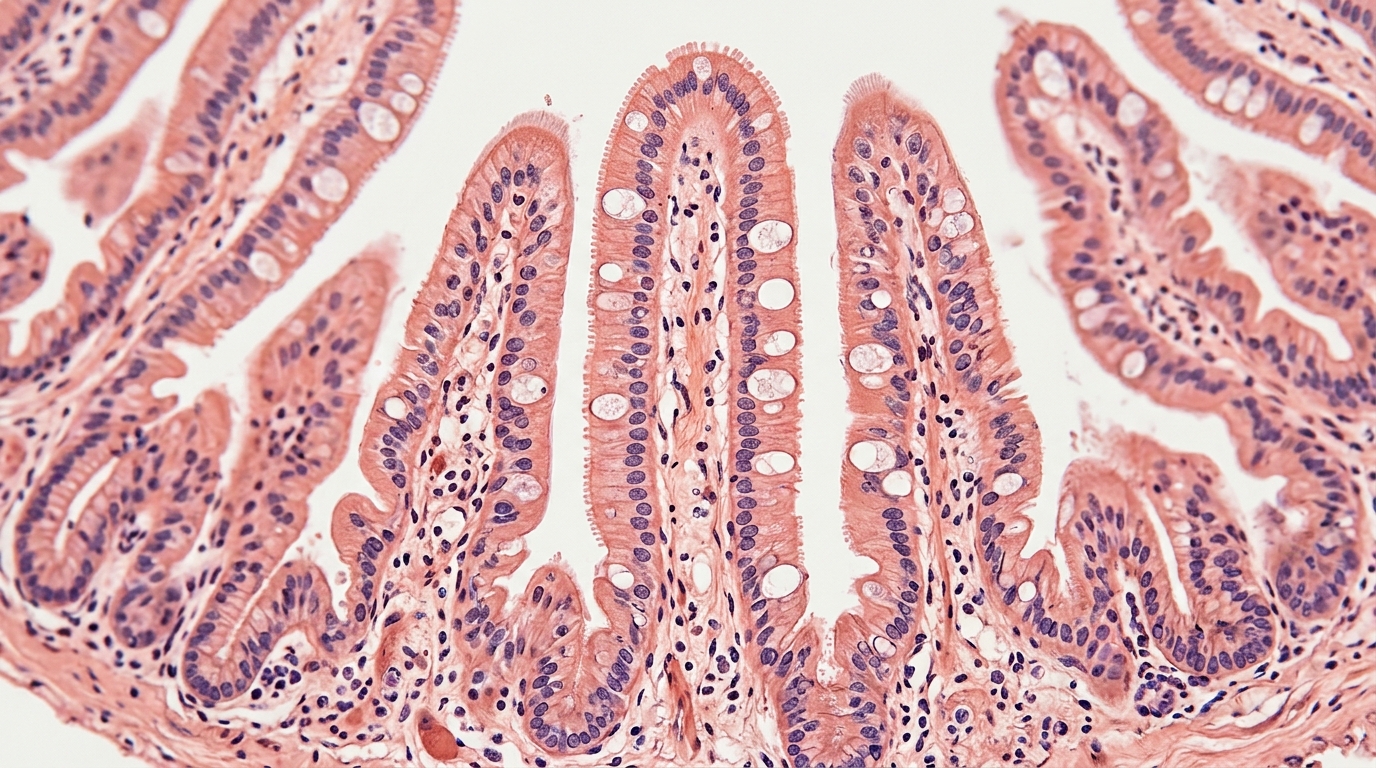
A pro-inflammatory gut microbiota-metabolic axis characterized by elevated Ruminococcus gnavus bacteria and disrupted tryptophan metabolism has been identified in young children with global developmental delay. In a hypothesis-generating pilot cross-sectional study evaluating 16 children aged three years or younger with global developmental delay and 20 age-matched healthy controls, researchers integrated absolute quantitative 16S ribosomal RNA gene sequencing with untargeted metabolomics. The investigation aimed to characterize the pediatric gut ecosystem and clarify the role of the gut-brain axis in a condition that affects 1 to 3 percent of children, where the underlying etiology remains undetermined in 40 to 50 percent of cases despite comprehensive genetic testing.
Prior investigations of the gut ecosystem in global developmental delay have been limited by their reliance on relative microbial abundance metrics rather than absolute measurements. By applying absolute quantification, the research team revealed a significant enrichment of a pro-inflammatory consortium within the microbiome of children with global developmental delay. The most prominent shift occurred in the Ruminococcus gnavus group, which showed a statistically significant 2.15-fold increase in affected children compared to the healthy control group (p < 0.05). This pronounced bacterial expansion highlighted a distinct microbial signature present in the young clinical cohort.
Untargeted metabolomics concurrently identified Ethyl Diethanolamine as the top discriminant metabolite between the two cohorts. This metabolite was markedly depleted in the global developmental delay group compared to healthy controls, displaying a fold change of 0.73 and high statistical significance (p < 0.0001). Metabolic pathway analysis pinpointed tryptophan metabolism as the most significantly perturbed pathway overall (p < 0.001). The observed disruption represented a complex, multi-directional shift characterized by the simultaneous upregulation of kynurenine, melatonin, and microbial indole metabolites.
Integration of the multi-omics data demonstrated strong overall concordance between the gut microbiota and the metabolome, while revealing specific disruptions in fine-scale correlation networks among children with global developmental delay. These pilot findings suggest a pro-inflammatory gut microbiota-metabolite axis potentially driven by Ruminococcus gnavus expansion and altered tryptophan metabolism. Furthermore, the depletion of Ethyl Diethanolamine emerged as a novel candidate biomarker. Because the study was a cross-sectional pilot investigation, the researchers emphasized that future validation in larger cohorts is warranted to confirm these initial findings.
Subject of Research: Gut microbiota and metabolic alterations in pediatric global developmental delay
Article Title: A pro-inflammatory gut microbiota-metabolic axis in global developmental delay identified by integrated multi-omics
Article References: Liu, H., Wan, L., Zeng, Y., Hao, J., Li, M., & Huang, C. (2026). A pro-inflammatory gut microbiota-metabolic axis in global developmental delay identified by integrated multi-omics. Translational Psychiatry. https://doi.org/10.1038/s41398-026-04420-9
Image Credits: AI Generated
DOI: 10.1038/s41398-026-04420-9
Keywords: global developmental delay, gut microbiota, metabolomics, multi-omics, gut-brain axis, 16S rRNA gene sequencing, absolute quantification, Ruminococcus gnavus, Ethyl Diethanolamine, tryptophan metabolism, kynurenine, melatonin, microbial indole metabolites, pediatric development, cross-sectional study, biomarker discovery
News Source: Morgan Morrow. (November 20, 2026). Pro-Inflammatory Gut Axis and Metabolic Alterations Identified in Global Developmental Delay. Scienmag.