


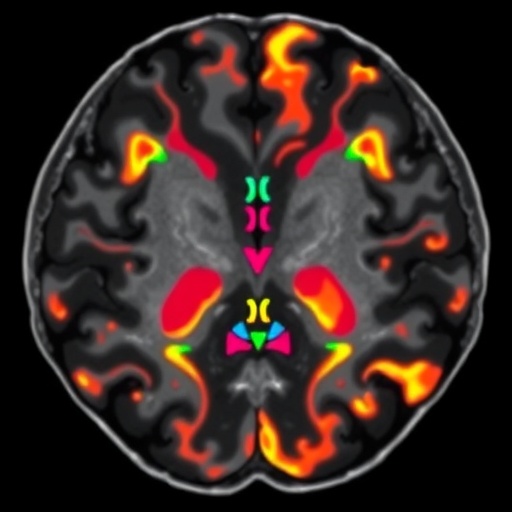
Recent advances in cancer research have uncovered a startling mechanism behind the resistance of glioblastoma multiforme (GBM) to the chemotherapeutic agent temozolomide (TMZ). The pivotal role of hypoxia in tumor progression has long been recognized, yet the specific molecular pathways that are activated under these conditions have remained elusive. In a breakthrough study conducted by Chen and colleagues, the researchers have elucidated the role of protein arginine methyltransferase 6 (PRMT6) in enhancing the chemoresistance of glioblastoma cells when exposed to hypoxic conditions, thus opening new avenues for therapeutic intervention.
PRMT6, an enzyme known for its post-translational modification of proteins, catalyzes the methylation of arginine residues on target proteins. This biochemical modification can influence various cellular processes, including gene expression, cell signaling, and response to stress. In the context of glioblastoma, the study proposes that hypoxia-induced expression of PRMT6 contributes significantly to the cancer’s ability to withstand the cytotoxic effects of TMZ, a challenge that has stymied treatment efforts for years.
The researchers employed a combination of in vitro and in vivo approaches to investigate the relationship between hypoxia, PRMT6 expression, and TMZ resistance. By subjecting glioblastoma cell lines to hypoxic conditions, the team observed a marked increase in PRMT6 levels. This correlation prompted further investigation into the downstream effects of PRMT6 upregulation, particularly its influence on the Golgi Nucleotide-binding protein 1 (G3BP1), a key player in mRNA metabolism and cellular stress responses.
Inhibition studies revealed that silencing PRMT6 expression using small interfering RNA markedly decreased the proliferation rate of glioblastoma cells in hypoxic conditions, thereby implicating PRMT6 as a critical promoter of cellular viability under stress. The findings suggest that glioblastoma cells exploit PRMT6 upregulation as a mechanism to counteract the apoptosis typically induced by temozolomide treatment. The prognostic implications of this discovery are profound; targeting PRMT6 may sensitize these cells to TMZ, potentially improving clinical outcomes for patients suffering from GBM.
Moreover, the study emphasizes the significant interplay between tumor microenvironment factors such as hypoxia and the epigenetic landscape of cancer cells. As PRMT6 modifies target proteins, it may alter the transcriptional programs involved in drug resistance and cell survival. The authors argue that understanding these regulatory networks could pave the way for new therapeutic strategies aiming to re-sensitize glioblastoma to existing chemotherapeutics, including TMZ.
Addressing the biochemical mechanisms underlying chemoresistance is critical, as GBM remains notoriously difficult to treat. The median overall survival of patients diagnosed with GBM has remained stagnant for decades, indicating an urgent need for innovative treatment modalities. By targeting the PRMT6-G3BP1 axis, researchers could potentially enhance the efficacy of current therapies and clear the barriers to successful treatment of this aggressive malignancy.
Furthermore, the study highlights the importance of considering the tumor’s microenvironment as a dynamic entity that influences cancer progression and response to therapy. Hypoxia, a common feature of solid tumors, is known to induce metabolic adaptations that allow cancer cells to thrive in low-oxygen conditions. As the findings of Chen et al. demonstrate, these adaptations can also lead to significant alterations in drug response, especially in the face of standard chemotherapeutic protocols.
In clinical practice, the implications of this research extend beyond just understanding chemoresistance mechanisms. If the PRMT6 pathway can be effectively targeted, it may open doors to a combinatorial therapeutic approach that utilizes both hypoxia-modulating agents and traditional chemotherapeutics. By disrupting not only the metabolic footprint of glioblastoma but also its resistance mechanisms, there exists a potential to significantly improve patient outcomes.
Moreover, the study underscores a paradigm shift that may influence future GBM research. The identification of PRMT6 as a pivotal factor in hypoxia-related chemoresistance invites further exploration into its role across various cancer types. The quest to delineate the molecular players involved in therapy resistance could lead to the discovery of biomarkers that predict treatment response, ushering in an era of personalized medicine tailored to the unique molecular profiles of patients’ tumors.
In conclusion, the recent findings by Chen and colleagues underscore the significance of PRMT6 in promoting temozolomide chemoresistance in glioblastoma under hypoxic conditions. This intricate interplay between hypoxia and epigenetic regulation presents an exciting opportunity for future therapeutic strategies aimed at overcoming the challenges posed by this challenging malignancy. As the landscape of cancer treatment evolves, integrating molecular research with clinical applications could herald a new chapter in the management of glioblastoma, ultimately improving survival rates and quality of life for patients worldwide.
The narrative crafted by these insightful findings beckons a renewed focus on the cellular and molecular dynamics of glioblastoma. With ongoing research into the mechanistic pathways involved in chemoresistance, the potential for innovative treatment options appears promising. Researchers and clinicians alike must consider the implications of hypoxia and its role in shaping tumor behavior, as well as the significance of PRMT6 in modulating the therapeutic landscape of glioblastoma treatment.
As discussions about targeted therapies and personalized medicine continue to gain momentum, the study serves as a reminder that understanding the biological underpinnings of cancer can lead to actionable insights that directly impact patient care. It is essential to keep exploring the depths of tumor biology to uncover vulnerabilities that can be exploited in the pursuit of more effective and enduring treatments for glioblastoma and beyond.
By embracing a multidisciplinary approach that incorporates molecular biology, pharmacology, and clinical expertise, the quest to conquer glioblastoma becomes not just a dream but a tangible objective within reach. As researchers build upon the findings of Chen and colleagues, the hope remains that glioblastoma will no longer be synonymous with despair, but rather with resilience and breakthroughs that redefine cancer care strategies.
Subject of Research: Glioblastoma Chemoresistance Mechanisms
Article Title: Hypoxia-Induced PRMT6 Expression Promotes Temozolomide Chemoresistance in Glioblastoma via G3BP1
Article References:
Chen, S., Yu, P., Sun, Y. et al. Hypoxia-induced PRMT6 expression promotes temozolomide chemoresistance in glioblastoma via G3BP1.
J Transl Med (2026). https://doi.org/10.1186/s12967-025-07618-5
Image Credits: AI Generated
DOI: 10.1186/s12967-025-07618-5
Keywords: glioblastoma, chemoresistance, temozolomide, PRMT6, hypoxia, G3BP1, cancer treatment, epigenetics, molecular pathways.
Tags: biochemical pathways in glioblastomacancer research breakthroughschemoresistance in cancer therapygene expression and stress response in tumorsglioblastoma multiforme treatment challengeshypoxia and cancer progressionin vitro and in vivo studies of glioblastomapost-translational modifications in tumorsPRMT6 role in glioblastoma resistanceprotein arginine methyltransferase 6 effectstemozolomide resistance mechanismstherapeutic interventions for GBM



