• HOME
  • NEWS
  • EXPLORE
    • CAREER
      • Companies
      • Jobs
    • EVENTS
    • iGEM
      • News
      • Team
    • PHOTOS
    • VIDEO
    • WIKI
  • BLOG
  • COMMUNITY
    • FACEBOOK
    • INSTAGRAM
    • TWITTER
Tuesday, April 21, 2026
BIOENGINEER.ORG
No Result
View All Result
  • Login
  • HOME
  • NEWS
  • EXPLORE
    • CAREER
      • Companies
      • Jobs
        • Lecturer
        • PhD Studentship
        • Postdoc
        • Research Assistant
    • EVENTS
    • iGEM
      • News
      • Team
    • PHOTOS
    • VIDEO
    • WIKI
  • BLOG
  • COMMUNITY
    • FACEBOOK
    • INSTAGRAM
    • TWITTER
  • HOME
  • NEWS
  • EXPLORE
    • CAREER
      • Companies
      • Jobs
        • Lecturer
        • PhD Studentship
        • Postdoc
        • Research Assistant
    • EVENTS
    • iGEM
      • News
      • Team
    • PHOTOS
    • VIDEO
    • WIKI
  • BLOG
  • COMMUNITY
    • FACEBOOK
    • INSTAGRAM
    • TWITTER
No Result
View All Result
Bioengineer.org
No Result
View All Result
Home NEWS Science News Biology

Prioritizing help for the poorest hit by deadly natural disasters

Bioengineer by Bioengineer
October 17, 2018
in Biology
Reading Time: 2 mins read
0
Share on FacebookShare on TwitterShare on LinkedinShare on RedditShare on Telegram
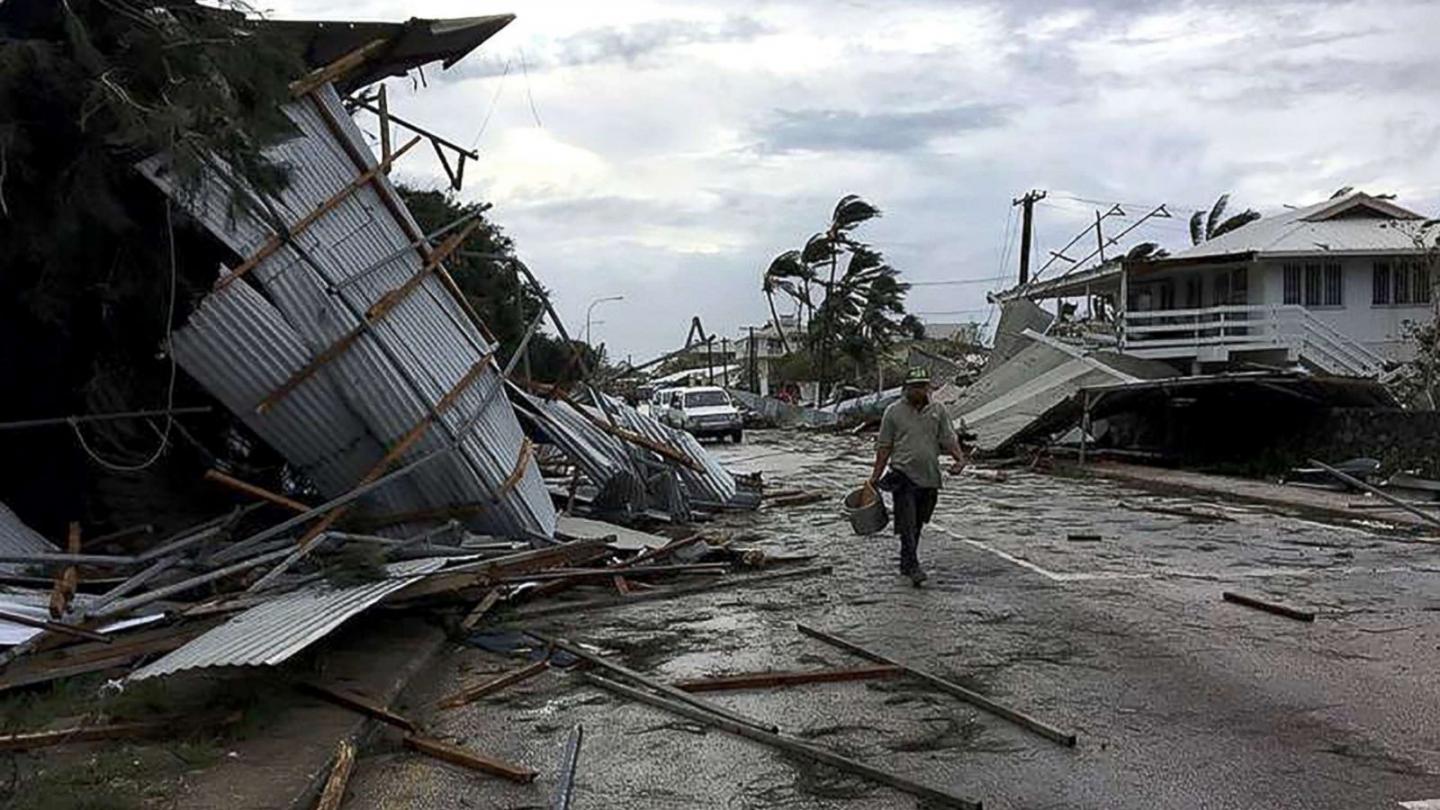
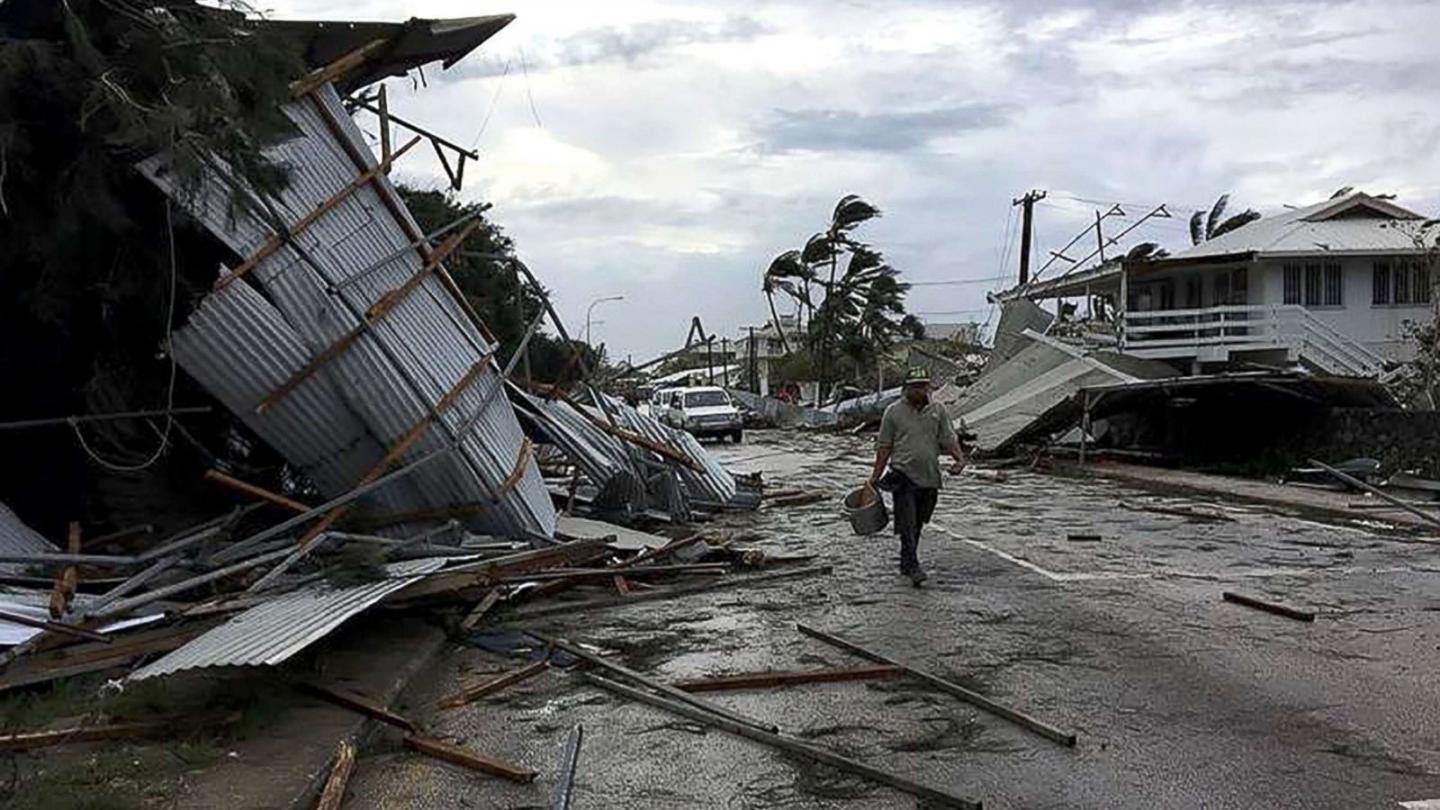
IMAGE

Credit: University of Bristol

A new statistical tool to help target resources following deadly natural disasters has been created by the University of Bristol, allowing governments to prioritise getting aid to the most vulnerable people.

The poorest and minority communities are likely to be hardest hit by natural disasters due to living in areas prone to flooding or buildings more at risk of collapse. They also struggle most to recover.

In order to prioritise recovery efforts – and ultimately save more lives – researchers from the Bristol Poverty Institute have shown how census data combined with survey data on living standards can produce an accurate poverty map which can be vital in times of emergency.

They used the tool following Typhoon Gita, which hit the Polynesian country of Tonga in February this year.

It was the most intense tropical cyclone since reliable records began and caused widespread devastation, affecting 80 per cent of the population.

Working with the Tonga Office of Statistics, researchers combined poverty data with a post-disaster needs assessment survey (PDNA), which assessed the nature, extent and distribution of damage on the country's main island of Tongatapu.

Ministers and members of parliament were then able to prioritise resources and allocate them more effectively.

Dr Hector Najera, Senior Research Associate in the School for Policy Studies at the University of Bristol, said: "As the frequency and severity of hurricanes and other severe weather events increase, so too will their impact on the poor.

"We have shown in Tonga how cutting-edge statistical methods can be used to ensure those most in need get emergency help first. Ultimately, this will help to save lives.

"Our hope is that the tool we've developed will be replicated in other countries prone to natural disasters."

Dr Najera worked with Dr Viliami Fitita, a Government Statistician for the Kingdom of Tonga and a former PhD student at the University of Bristol, to produce detailed and geographically-precise poverty prevalence rates for the country, which is made up of 176 islands.

The impact of natural hazards on human well-being has in recent years been unprecedented. Earthquakes, violent winds, floods, and droughts have had severe consequences for millions of people worldwide, presenting an increasingly significant challenge for development and poverty alleviation.

Researchers hope their new tool could be particularly beneficial to small island developing states (SIDS), such as Tonga.

Their geographical location in hazard-prone regions, relative isolation, limited physical size, and a concentration of population along coastal zones, make them particularly vulnerable.

###

Media Contact

Philippa Walker
[email protected]
44-117-394-0153
@BristolUni

http://www.bristol.ac.uk

Share12Tweet8Share2ShareShareShare2

Related Posts

Ben-Gurion University Study Finds Simple Habitat Management Can Preserve Animal Genetic Diversity

Ben-Gurion University Study Finds Simple Habitat Management Can Preserve Animal Genetic Diversity

April 21, 2026
Extra Chromosome Sets Enhance Cell Mobility, New Study Finds

Extra Chromosome Sets Enhance Cell Mobility, New Study Finds

April 21, 2026

Leading Global Experts Chart Path to Practical Interventions in Human Aging

April 21, 2026

Shallow Sequencing: Pros and Cons for Strain Analysis

April 21, 2026
Please login to join discussion

POPULAR NEWS

  • Research Indicates Potential Connection Between Prenatal Medication Exposure and Elevated Autism Risk

    782 shares
    Share 313 Tweet 196
  • Scientists Investigate Possible Connection Between COVID-19 and Increased Lung Cancer Risk

    65 shares
    Share 26 Tweet 16
  • Salmonella Haem Blocks Macrophages, Boosts Infection

    57 shares
    Share 23 Tweet 14
  • NSF funds machine-learning research at UNO and UNL to study energy requirements of walking in older adults

    101 shares
    Share 40 Tweet 25

About

We bring you the latest biotechnology news from best research centers and universities around the world. Check our website.

Follow us

Recent News

Sarcopenia’s Role in Frailty: A New Model

Advanced Multimodal Cell-Free DNA Enhances Cancer Screening

Predicting Cardiac Patch Outcomes: Theory Meets Clinic

Subscribe to Blog via Email

Enter your email address to subscribe to this blog and receive notifications of new posts by email.

Join 79 other subscribers
  • Contact Us

Bioengineer.org © Copyright 2023 All Rights Reserved.

Welcome Back!

Login to your account below

Forgotten Password?

Retrieve your password

Please enter your username or email address to reset your password.

Log In
No Result
View All Result
  • Homepages
    • Home Page 1
    • Home Page 2
  • News
  • National
  • Business
  • Health
  • Lifestyle
  • Science

Bioengineer.org © Copyright 2023 All Rights Reserved.