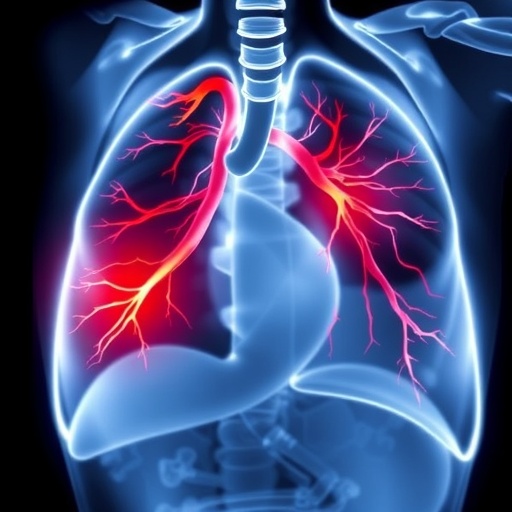
In a groundbreaking multicenter study analyzing a cohort of premature infants, researchers have shed new light on the devastating impact of pulmonary vein stenosis (PVS) within this vulnerable population. Pulmonary vein stenosis, a rare but severe cardiovascular condition characterized by the narrowing of pulmonary veins, has long been a perplexing challenge for neonatologists and pediatric cardiologists alike. The new findings reveal that PVS is not only associated with increased comorbidities but also drives substantially greater healthcare utilization and alarmingly high in-hospital mortality rates.
The study compiled data from multiple institutions, offering one of the most comprehensive views yet into the clinical landscape shaped by PVS in preterm infants. Even after rigorous adjustments for severity of prematurity and other key comorbidities, PVS emerged as an independent predictor of mortality. This striking independence underscores the lethal nature of the disease and the urgent need for enhanced clinical vigilance and innovative management protocols targeting this condition.
Central to understanding the pathophysiology of PVS in premature infants is the interplay with several notable comorbidities. The researchers identified bronchopulmonary dysplasia (BPD), pulmonary hypertension, and cardiac shunt lesions as conditions with the strongest independent associations with the development of PVS. BPD, a chronic lung disease common in preemies, appears not only as a significant contributor to pulmonary vascular remodeling but also as a critical complicating factor that may exacerbate venous stenosis progression.
Pulmonary hypertension, characterized by elevated pressure within the pulmonary arteries, further compounds cardiovascular strain. When combined with pulmonary vein stenosis, the hemodynamic disruptions can escalate swiftly, leading to worsening heart function and heightened mortality risk. Equally important are cardiac shunt lesions—abnormal blood flow pathways within the heart—which seem to set the stage for complex cardiac remodeling and vascular compromise, thereby precipitating or worsening PVS.
The research also emphasizes the clinical challenges posed by the heterogeneity of PVS presentations in premature infants. Symptoms are often subtle and overlap with those attributable to other prematurity-related conditions, complicating timely diagnosis. Clinicians are urged to adopt heightened suspicion in high-risk preterm infants, especially those with established BPD or cardiac anomalies, to facilitate earlier detection and intervention.
One of the standout revelations is the substantially increased healthcare utilization observed among infants diagnosed with PVS. These patients typically require prolonged hospital stays, frequent readmissions, and intensive resource use, including advanced imaging and specialized cardiovascular interventions. The financial and emotional toll on families and healthcare systems alike is considerable, highlighting the need for targeted healthcare policies and allocation of resources.
From a research perspective, the authors call for multicenter prospective studies with standardized evaluation criteria and follow-up protocols. Such collaborative efforts will enable a deeper understanding of disease progression, response to therapeutic interventions, and long-term outcomes. Current limitations in the knowledge base underscore the urgency of this initiative, considering the high mortality associated with PVS despite advances in neonatal care.
The study’s findings raise provocative questions about underlying mechanisms driving PVS development and progression in premature infants. Researchers hypothesize that maladaptive vascular remodeling, influenced by inflammatory pathways, endothelial dysfunction, and mechanical stress from altered pulmonary hemodynamics, plays a pivotal role. Further elucidation of these pathways could unlock novel therapeutic targets to mitigate or even prevent PVS.
Moreover, the study highlights a pressing clinical need: the standardization of diagnostic and management strategies. Presently, variability in diagnostic imaging techniques and criteria for intervention complicates comparisons across centers and hinders the development of evidence-based guidelines. Implementing uniform protocols could streamline care delivery and improve prognostic assessments.
Emphasizing early recognition strategies is another remarkable aspect of the research. Early diagnosis, coupled with close monitoring of high-risk infants, could enable timely interventions that might alter the trajectory of this often-fatal disease. This approach demands multidisciplinary cooperation, involving neonatologists, cardiologists, pulmonologists, and radiologists working under unified care pathways.
In terms of therapeutic interventions, the available options remain limited and fraught with challenges. Surgical and catheter-based approaches to relieve pulmonary vein obstruction have variable success rates, often hindered by the fragile clinical status of preterm infants and the diffuse nature of vein involvement. Pharmacologic strategies that target pulmonary hypertension and vascular remodeling show promise but require further clinical trials to evaluate efficacy and safety in this population.
The implications of these findings extend well beyond individual patient outcomes. They highlight an urgent need for improved awareness among healthcare providers about PVS as a formidable complication of prematurity. Educational initiatives and training programs that enhance recognition and management skills could transform the care landscape for these infants.
In addition, the investigators call for the integration of advanced imaging modalities, such as cardiac MRI and three-dimensional echocardiography, into routine evaluation protocols. Such technologies promise greater sensitivity and precision in detecting early or subtle vein stenosis, potentially revolutionizing early diagnostic capabilities.
Psychosocial consequences for families dealing with PVS in their infants must also not be overlooked. The complexity and prognostic uncertainty associated with PVS impose significant emotional burdens. The study advocates for integrated family support services and comprehensive counseling as essential components of holistic care.
The study, published in the Journal of Perinatology, represents a significant stride toward demystifying pulmonary vein stenosis within the context of neonatal cardiopulmonary medicine. Its revelations about disease associations, mortality risks, and healthcare burdens offer a new compass for both research and clinical practice.
Ultimately, this research galvanizes the medical community to rethink and intensify efforts surrounding PVS in premature infants. By fostering early detection, standardized care paradigms, and robust multi-institutional collaborations, there is hope to transform outcomes for these most vulnerable young patients afflicted by one of neonatology’s most formidable adversaries.
Subject of Research: Pulmonary Vein Stenosis (PVS) in premature infants, its comorbidities, outcomes, and healthcare utilization.
Article Title: Characteristics and outcomes of preterm infants with pulmonary vein stenosis in the contemporary era: a PHIS database analysis.
Article References:
Elsisy, M.F., Lam, F.Z., Naguib, M.M. et al. Characteristics and outcomes of preterm infants with pulmonary vein stenosis in the contemporary era: a PHIS database analysis. J Perinatol (2026). https://doi.org/10.1038/s41372-026-02703-z
Image Credits: AI Generated
DOI: 20 April 2026
Tags: bronchopulmonary dysplasia and PVScardiac shunt lesions and PVShealthcare utilization in preterm infantsmanagement of pulmonary vein stenosismulticenter study on neonatal PVSneonatal cardiovascular conditionsprematurity and cardiovascular riskspreterm infant pulmonary vein stenosis outcomespulmonary hypertension in preterm infantspulmonary vein stenosis comorbiditiespulmonary vein stenosis in premature infantsPVS mortality rates in neonates