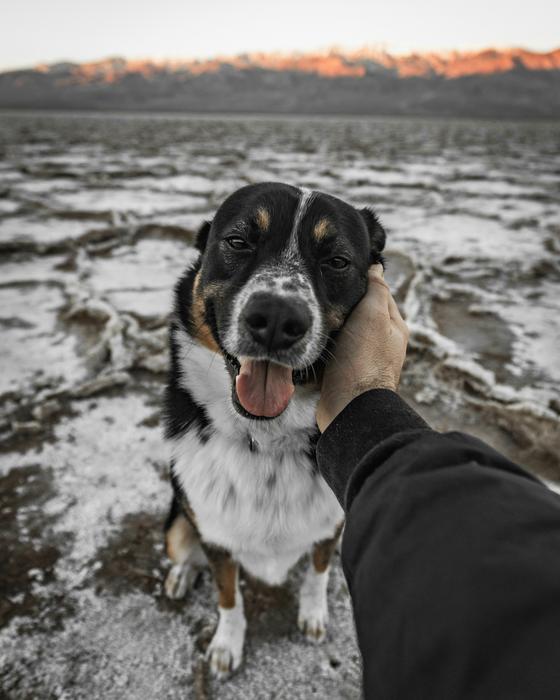
In a groundbreaking study published in PLOS ONE, researchers delved into the intricate relationship between the gut microbiome and behavioral responses in companion dogs. The focus of this research was on fearful dogs, a subject that has received relatively limited attention among pet behavioral studies. The findings reveal significant differences in microbiome compositions and metabolic profiles between dogs exhibiting fear-related behaviors and their non-fearful counterparts, indicating a potential link between fear responses and gut health.
The gut-brain axis is a concept that has recently gained traction in scientific circles, suggesting that the microbiome may have profound effects on the brain and behavior. This study serves as an exploratory investigation into how changes in microbial populations can influence mood and anxiety in domestic dogs. Researchers were particularly interested in identifying specific bacterial species and metabolites that could be associated with fearfulness in canine behavior.
The method utilized in this study involved analyzing fecal samples from both fearful and non-fearful dogs. The analysis aimed to uncover differences in microbial diversity and population structure. Researchers utilized advanced sequencing techniques to identify and quantify various bacterial strains present in the samples. The results were striking, highlighting significant disparities in the composition of the gut microbiome between the two groups of dogs.
Moreover, the study assessed the metabolic profiles of the subjects. Metabolomics, the large-scale study of metabolites, provides insights into the biochemical changes occurring within an organism. By examining the metabolic byproducts produced by gut bacteria, researchers uncovered that fearful dogs had unique metabolomic signatures compared to their non-fearful peers. This suggested that the gut microbiome’s composition could have direct implications on the metabolic pathways associated with fear.
As the research unfolds, the implications extend beyond veterinary science and delve into the realms of pet ownership and welfare. Understanding the underlying causes of fear in dogs could enhance approaches to training and behavioral therapy. The findings suggest that interventions targeting the gut microbiome might serve as a complementary strategy in managing anxiety and fear in dogs, thereby improving their overall quality of life.
Furthermore, this research paves the way for future studies investigating the potential benefits of dietary modifications and probiotics for fearful dogs. With ongoing discussions about the importance of gut health in overall well-being, the relationship between diet, microbiome, and behavior presents an exciting avenue for exploration within canine health sciences. As pet owners become increasingly aware of nutrition’s role in behavior, such findings may drive changes in feeding practices and product availability.
Beyond the immediate implications for canine health, this study could also enrich our understanding of the evolutionary factors shaping pet behavior. Domestication has altered not only the physical attributes of dogs but also their psychological profiles. Comprehending how gut microbiota has adapted or changed through domestication in relation to behavior is essential for breeders and pet owners alike.
Despite the promising early findings, the research is still in its infancy. There is a pressing need for larger cohort studies to validate the results and provide a deeper understanding of the mechanisms at play. As researchers continue to investigate this complex interplay, the hope is to unveil targeted therapies and interventions to aid dogs struggling with fear and anxiety.
The relationship between the microbiome and behavior is not confined to dogs alone. There is growing evidence suggesting that similar microbial influences exist across various species, including humans. Understanding these shared biological narratives may unlock broader insights into emotional and psychological health across the animal kingdom.
Veterinarians and pet behaviorists are advised to take these findings into account when assessing fearful dogs. As research continues to unveil how microbiome profiling can inform treatment decisions, it becomes increasingly clear that the future of veterinary care will incorporate a multidisciplinary approach, integrating microbiology, nutrition, and behavioral science in understanding and treating animal health problems.
In conclusion, this pivotal research study has opened the door to new understandings of fear and anxiety in companion animals. By focusing on the microbiome, researchers are illuminating the potential for innovative treatment strategies that prioritize an integrated view of health, embracing the connections between bodily systems and behavioral outcomes. Such insights could reshape pet care practices, ensuring that canine companions lead healthier, happier lives.
Subject of Research: The relationship between microbiome composition and fear behavior in dogs
Article Title: Altered microbiome and metabolome profiling in fearful companion dogs: An exploratory study
News Publication Date: 15-Jan-2025
Web References: DOI: 10.1371/journal.pone.0315374
References: N/A
Image Credits: Daniel Lincoln, Unsplash, CC0
Keywords
Microbiome, dogs, fear behavior, gut-brain axis, metabolomics, companion animals, canine health, veterinary science, pet behavior, nutrition, anxiety, microbiota.