


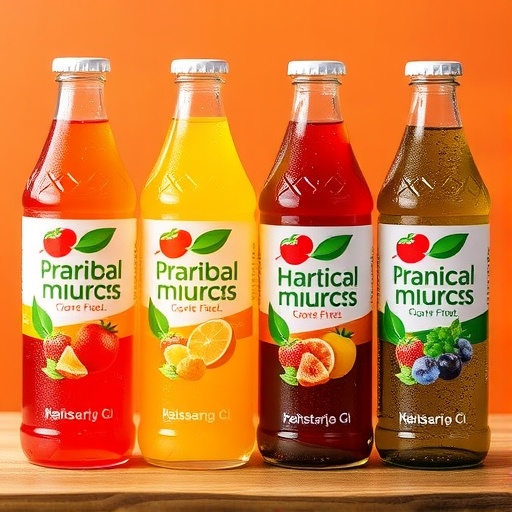
Prebiotic sodas have surged in the U.S. market as manufacturers market them as “gut-friendly” alternatives to sugary drinks. But a new analysis presented at NUTRITION 2026 suggests that the nutritional substance behind many of these claims may be thinner than the marketing implies.
Researchers examined 108 prebiotic sodas launched between 2021 and 2025 in the United States using the Mintel Global New Products Database. Products were defined as carbonated beverages that include fiber and use the term “prebiotic” in product naming, package claims, or ingredient lists.
On average, these beverages delivered roughly 35 calories, 5 grams of sugar, and 5 grams of fiber per 12-ounce can. Compared with regular sodas and fruit drinks, they ranked lower for calories and sugar, but still scored higher than diet sodas and flavored sparkling waters.
Sweetening strategies varied widely. Nearly two-thirds of prebiotic sodas contained non-nutritive sweeteners such as stevia. In contrast, more than 90% of diet sodas used non-nutritive sweeteners, while far smaller fractions of fruit drinks, flavored sparkling waters, and regular sodas did.
Fiber amounts were also inconsistent. The term “prebiotic” is not tied to a standardized fiber threshold in the U.S., and the study found fiber levels ranging from about 2 to 9 grams per can. That variability means consumers cannot assume every “prebiotic” label corresponds to a meaningful gut-health dose.
The analysis raised additional concerns about label interpretation. Some products that advertise “no added sugar” may still contain substantial total sugars—around 10 grams from sources like juice—creating what the authors describe as a “health halo” effect.
Lead author Carlos R. Soto Díaz, MPH, a PhD candidate at the University of North Carolina at Chapel Hill, emphasized that while certain prebiotic fibers have been linked to gut outcomes, the extent to which beverage-level quantities confer benefits remains unclear.
The researchers also framed potential usefulness around substitution. Switching from sugary beverages to prebiotic sodas may reduce total calorie and sugar intake for some consumers, but the advantage may be smaller for people who already choose low- or no-calorie drinks.
Soto Díaz will present the findings in the Community and Public Health Nutrition (I) Poster Session at 11:30 a.m.–12:30 p.m. EDT on Saturday, July 25, during NUTRITION 2026. The meeting-selected abstracts are preliminary until peer-reviewed publication is available.
Subject of Research: Prebiotic fiber content and nutritional labeling of prebiotic sodas
Article Title: Viral Science News: Do “Prebiotic Sodas” Live Up to Their Gut-Health Claims?
News Publication Date: July 25, 2026
Web References: https://www.dropbox.com/scl/fi/zp1za0w1vh96oeah3laxu/Soto-Diaz-Taillie-prebiotic-soda-abstract.pdf?rlkey=gdmgi8byqwx0vcr81b8zf36ke&dl=0 , https://cdmcd.co/yKPgXr
References: Mintel Global New Products Database (analysis of 108 products, 2021–2025)
Image Credits: (not provided)
Keywords: prebiotic sodas, gut health, fiber, sugar labeling, “no added sugar”, stevia, health halo, NUTRITION 2026
Tags: calorie and sugar levels in alternative sodasconsumer perception of prebiotic beveragesfiber in prebiotic beverageshealth effects of prebiotic fibersimpact of non-nutritive sweetenersinconsistency in fiber contentmarketing claims vs actual nutritionnutritional analysis of flavored sparkling watersPrebiotic sodasregulation of prebiotic claimssugar content comparisontrends in gut-friendly drinks


