Immunoglobulin therapy is a lifeline for thousands of Italian patients living with weakened immune systems or damaged peripheral nerves, but it comes at a steep price, both financially and in terms of the burden it places on hospitals and patients alike. A new economic analysis published in the journal Advances in Therapy suggests that a simple change in drug packaging could deliver tens of millions of euros in savings for Italy’s National Health Service while simultaneously making treatment easier and safer for patients. The study, led by Batyrkhan Kuatov of CSL Behring and colleagues, examined the budget impact of introducing IgPro20 pre-filled syringes, a subcutaneous immunoglobulin formulation, for three distinct conditions: primary immunodeficiency, secondary immunodeficiency, and chronic inflammatory demyelinating polyneuropathy.
The three conditions covered by the analysis share a common therapeutic backbone despite their very different origins. Primary immunodeficiencies are rare, chronic disorders caused by inherited genetic mutations that impair the immune system’s ability to produce functional antibodies, often manifesting in infancy or early childhood, though diagnosis can be delayed well into adulthood. Italy maintains a well-established registry and clinical network for these conditions, with national data indicating a prevalence of between 0.002 and 0.006 percent. Secondary immunodeficiencies, by contrast, arise from external factors such as malignancies, infections, major surgeries, or immunosuppressive therapies, leaving patients vulnerable to serious infections and imposing significant psychological and economic burdens. Chronic inflammatory demyelinating polyneuropathy, or CIDP, is a rare autoimmune neurological disorder in which immune-mediated destruction of the myelin sheath surrounding peripheral nerves causes progressive motor and sensory deficits, with an estimated incidence of 0.36 cases per 100,000 people per year.
For all three patient groups, long-term immunoglobulin therapy is a cornerstone of management, either to replace missing antibodies or to modulate aberrant immune activity. Traditionally, this therapy has been delivered intravenously in hospital or infusion-center settings, an approach that consumes scarce outpatient capacity and imposes repeated travel and time costs on patients. Subcutaneous immunoglobulin offers an alternative that patients can self-administer at home, but the conventional vial-based format requires manual preparation, including drawing up doses and handling residual volumes, which introduces the risk of contamination and dosing errors while generating product wastage and additional administration time.
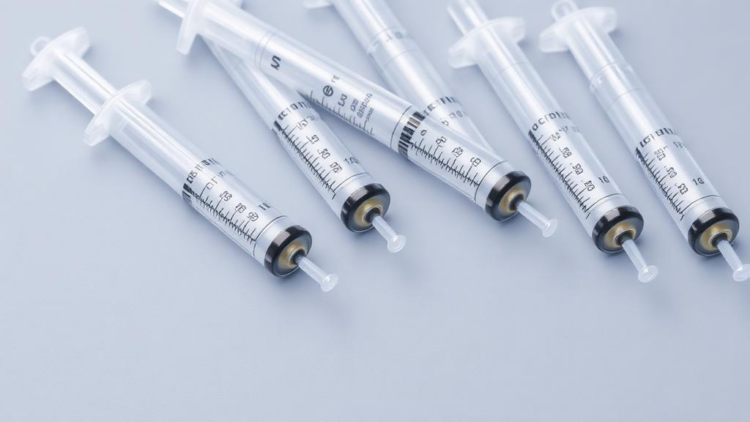
IgPro20 stands out as the only subcutaneous immunoglobulin therapy currently available in both vial and pre-filled syringe formats. The pre-filled syringe eliminates the need for manual preparation and dose calculation entirely, shortening infusion times, reducing the risk of errors and contamination, and minimizing leftover product. Real-world evidence suggests these operational advantages translate into measurable clinical and economic benefits: use of the pre-filled syringe has been associated with a 17 percent lower weekly dose compared with vials, a difference the study authors attribute to reduced wastage and more efficient use of immunoglobulin supplies rather than any indication-specific treatment effect. Patient preference data also favor the subcutaneous route, with one study reporting that 73 percent of patients preferred it over intravenous administration.
To quantify the financial implications, the research team built a population-based budget impact model in Microsoft Excel from the perspective of the Italian National Health Service, comparing a current scenario without the pre-filled syringe against a future scenario in which it becomes available. The model incorporated drug acquisition costs, administration fees, and adverse event costs over a three-year horizon. In the first year, an estimated 4,794 patients were eligible for immunoglobulin therapy across the three indications: 1,849 with primary immunodeficiency, 1,439 with secondary immunodeficiency, and 1,505 with CIDP, with annual growth projections of 7 percent for the first and third groups and 12 percent for the second. The comparator basket included ten intravenous immunoglobulin products and five subcutaneous products, with market shares informed by Italian affiliate data. Intravenous infusions were assigned a flat fee of €11.60 per administration under national tariff code 99.14.1, while home-based subcutaneous therapy was assumed to incur no administration cost, since manufacturers in Italy typically provide pumps and training free of charge.
The headline finding is striking: introducing IgPro20 pre-filled syringes was associated with total cost savings of €31,524,488 over three years for the Italian healthcare system. The savings were not evenly distributed across the three conditions. CIDP accounted for the largest share at €17,271,412, reflecting high baseline use of IgPro20 vials and the substantial treatment burden associated with hospital-based administration in this population. Primary immunodeficiency generated savings of €8,840,041, largely through decreased use of vials and other subcutaneous products, while secondary immunodeficiency contributed €5,413,035, driven by reduced intravenous immunoglobulin and vial usage. By cost category, the bulk of the savings came from reduced drug acquisition costs, with additional efficiencies in administration and lower adverse event costs, since subcutaneous therapy is generally associated with lower rates of systemic and serious adverse events than intravenous infusion.
The robustness of these findings was tested through extensive sensitivity and scenario analyses. A one-way sensitivity analysis varying each major parameter by plus or minus 20 percent revealed that the model was most sensitive to the prices of the pre-filled syringe and vials: shifting the syringe price between €52.00 and €78.00 produced a budget impact ranging from a saving of €60.7 million to €2.3 million. Scenario analyses proved reassuring even under conservative assumptions. When the dosing advantage was halved to an 8.5 percent reduction, projected savings fell to €16.6 million but remained substantial. Most notably, even when the researchers assumed identical dosing between the syringe and vial formats, thereby removing the entire 17 percent efficiency advantage drawn from real-world data, the pre-filled syringe still generated savings of €1.6 million over three years. Adopting a broader societal perspective that included indirect costs such as travel and lost productivity increased savings to €31.8 million, while applying lower intravenous product pricing based on regional tenders still yielded €29.9 million in savings. Excluding intravenous-specific infusion complications barely changed the picture, with savings of €31.4 million, confirming that acquisition costs, not adverse event differences, were the primary economic driver.
The study’s authors place these results in the context of a healthcare system under strain. Hospital overcrowding remains a persistent challenge in Italy, and shifting immunoglobulin delivery away from hospital infusion centers toward home-based subcutaneous administration could relieve pressure on inpatient and outpatient services alike. The pre-filled syringe format, by simplifying preparation and supporting patient autonomy, may also improve adherence and quality of life, offering continuity of care even during service disruptions. The authors caution, however, that the choice of therapy and route of administration should remain individualized: some patients prefer intravenous immunoglobulin for its less frequent dosing, direct professional support, or a desire to avoid self-infusion responsibilities, making shared decision-making essential.
The analysis is not without limitations. The model relied on proprietary internal data for population estimates and market shares, which may limit external replicability, and the pivotal 17 percent dosing-reduction assumption was drawn from observational evidence in non-Italian settings. The absence of published adverse event data for subcutaneous immunoglobulin in secondary immunodeficiency led to an assumption of zero events, potentially underestimating costs, and aggregating three clinically distinct populations may obscure meaningful differences in resource use. The model also used a simplified population structure that did not account for aging or mortality, and ex-factory prices may not reflect regional tender variations. Nevertheless, the consistency of savings across every scenario tested lends considerable weight to the central conclusion.
For Italian policymakers and payers, the message is clear: a relatively modest packaging change, moving from vials to pre-filled syringes for subcutaneous immunoglobulin, could free up €31.5 million over three years while supporting a more patient-centered, resource-efficient model of care. As demand for immunoglobulin therapy continues to rise and infusion capacity remains constrained, the study offers actionable evidence that aligning clinical value with economic sustainability is achievable, one syringe at a time.
Subject of Research: Budget impact analysis of subcutaneous immunoglobulin pre-filled syringes for immunodeficiency and CIDP in Italy
Article Title: Multi-Indication Budget Impact Analysis of Subcutaneous IgPro20 Pre-filled Syringes for the Treatment of Primary Immunodeficiency Syndromes, Secondary Immunodeficiencies, and Chronic Inflammatory Demyelinating Polyneuropathy in Italy
Article References: Kuatov, B., MacDonald, A., Priest, S., Tran, D., Undreiner, L., Taskin, M. I., Villa, S., & Marcellusi, A. (2026). Multi-Indication Budget Impact Analysis of Subcutaneous IgPro20 Pre-filled Syringes for the Treatment of Primary Immunodeficiency Syndromes, Secondary Immunodeficiencies, and Chronic Inflammatory Demyelinating Polyneuropathy in Italy. Advances in Therapy. https://doi.org/10.1007/s12325-026-03805-y
Image Credits: AI Generated
DOI: 10.1007/s12325-026-03805-y
Keywords: immunoglobulin therapy, pre-filled syringes, primary immunodeficiency, secondary immunodeficiency, CIDP, budget impact analysis, health economics, Italy, subcutaneous immunoglobulin, IgPro20, healthcare costs, home-based treatment
Cite Scienmag News
APA MLA Chicago
Ophelia Keating. (September 30, 2026). Pre-Filled Syringes Could Save Italy Millions in Immunoglobulin Therapy Costs. Scienmag. https://scienmag.com/pre-filled-syringes-could-save-italy-millions-in-immunoglobulin-therapy-costs/
Ophelia Keating. “Pre-Filled Syringes Could Save Italy Millions in Immunoglobulin Therapy Costs.” Scienmag, 30 September 2026, https://scienmag.com/pre-filled-syringes-could-save-italy-millions-in-immunoglobulin-therapy-costs/. Accessed 30 September 2026.
Ophelia Keating. “Pre-Filled Syringes Could Save Italy Millions in Immunoglobulin Therapy Costs.” Scienmag. September 30, 2026. https://scienmag.com/pre-filled-syringes-could-save-italy-millions-in-immunoglobulin-therapy-costs/
Copy citation Download RIS
Tags: budget impact analysisburden of immunoglobulin treatment on hospitals and patientschronic inflammatory demyelinating polyneuropathy managementCIDPcost savings in Italy’s healthcare systemeconomic impact of drug packaginghealth economicshealthcare cost reduction strategieshealthcare costshome-based treatmentIgPro20immunoglobulin therapyimmunoglobulin therapy market in Italyimmunoglobulin treatment for primary immunodeficiencyimprovements in immunotherapy administrationinnovations in immunoglobulin therapy deliveryItalypre-filled syringesPre-filled syringes for immunoglobulin therapyprimary immunodeficiencysafety and convenience of pre-filled syringessecondary immunodeficiencysubcutaneous immunoglobulinsubcutaneous immunoglobulin administration