• HOME
  • NEWS
  • EXPLORE
    • CAREER
      • Companies
      • Jobs
    • EVENTS
    • iGEM
      • News
      • Team
    • PHOTOS
    • VIDEO
    • WIKI
  • BLOG
  • COMMUNITY
    • FACEBOOK
    • INSTAGRAM
    • TWITTER
Saturday, July 4, 2026
BIOENGINEER.ORG
No Result
View All Result
  • Login
  • HOME
  • NEWS
  • EXPLORE
    • CAREER
      • Companies
      • Jobs
        • Lecturer
        • PhD Studentship
        • Postdoc
        • Research Assistant
    • EVENTS
    • iGEM
      • News
      • Team
    • PHOTOS
    • VIDEO
    • WIKI
  • BLOG
  • COMMUNITY
    • FACEBOOK
    • INSTAGRAM
    • TWITTER
  • HOME
  • NEWS
  • EXPLORE
    • CAREER
      • Companies
      • Jobs
        • Lecturer
        • PhD Studentship
        • Postdoc
        • Research Assistant
    • EVENTS
    • iGEM
      • News
      • Team
    • PHOTOS
    • VIDEO
    • WIKI
  • BLOG
  • COMMUNITY
    • FACEBOOK
    • INSTAGRAM
    • TWITTER
No Result
View All Result
Bioengineer.org
No Result
View All Result
Home NEWS Science News

PPPL scientist uncovers physics behind plasma-etching process

Bioengineer by Bioengineer
January 27, 2017
in Science News
Reading Time: 2 mins read
0
Share on FacebookShare on TwitterShare on LinkedinShare on RedditShare on Telegram
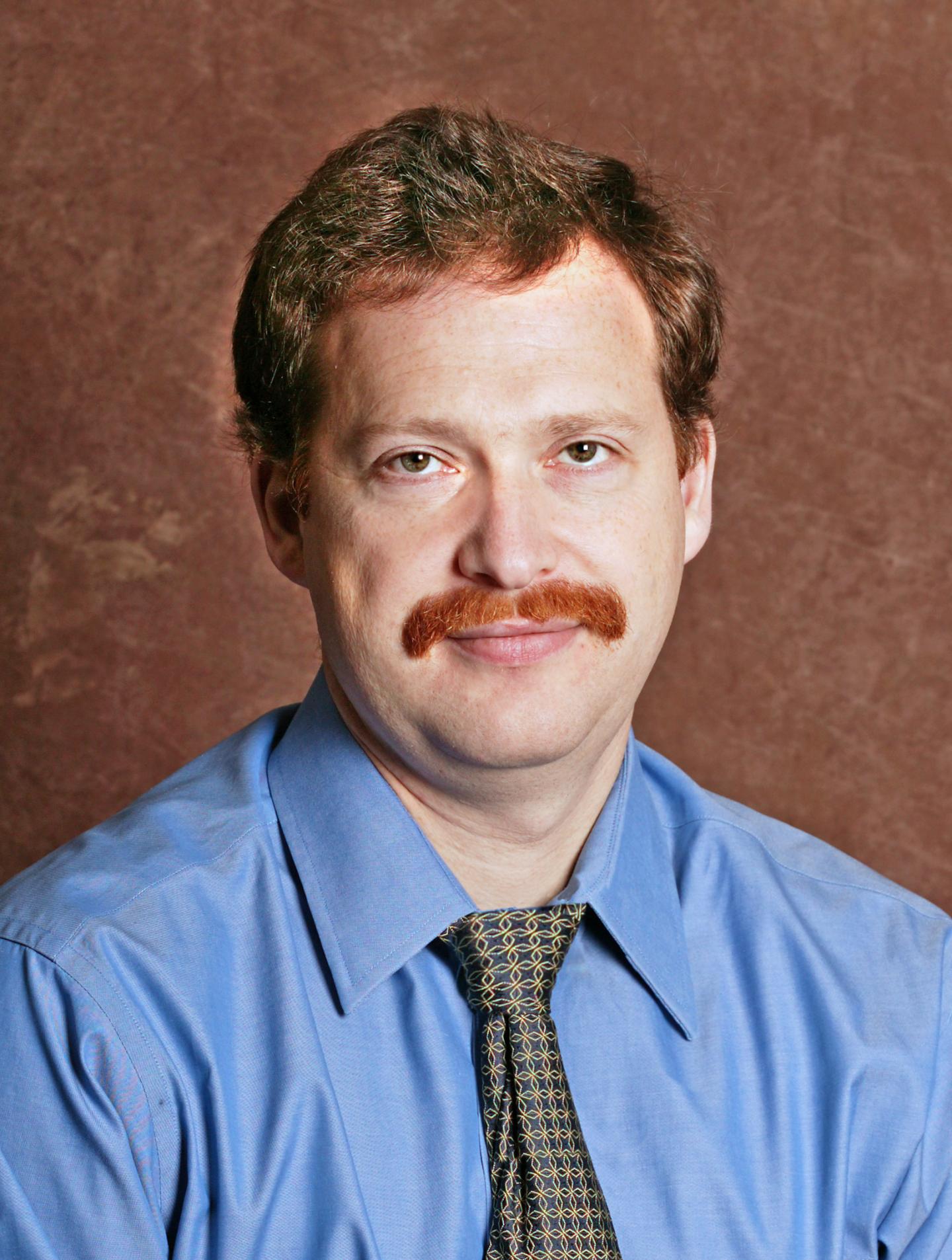
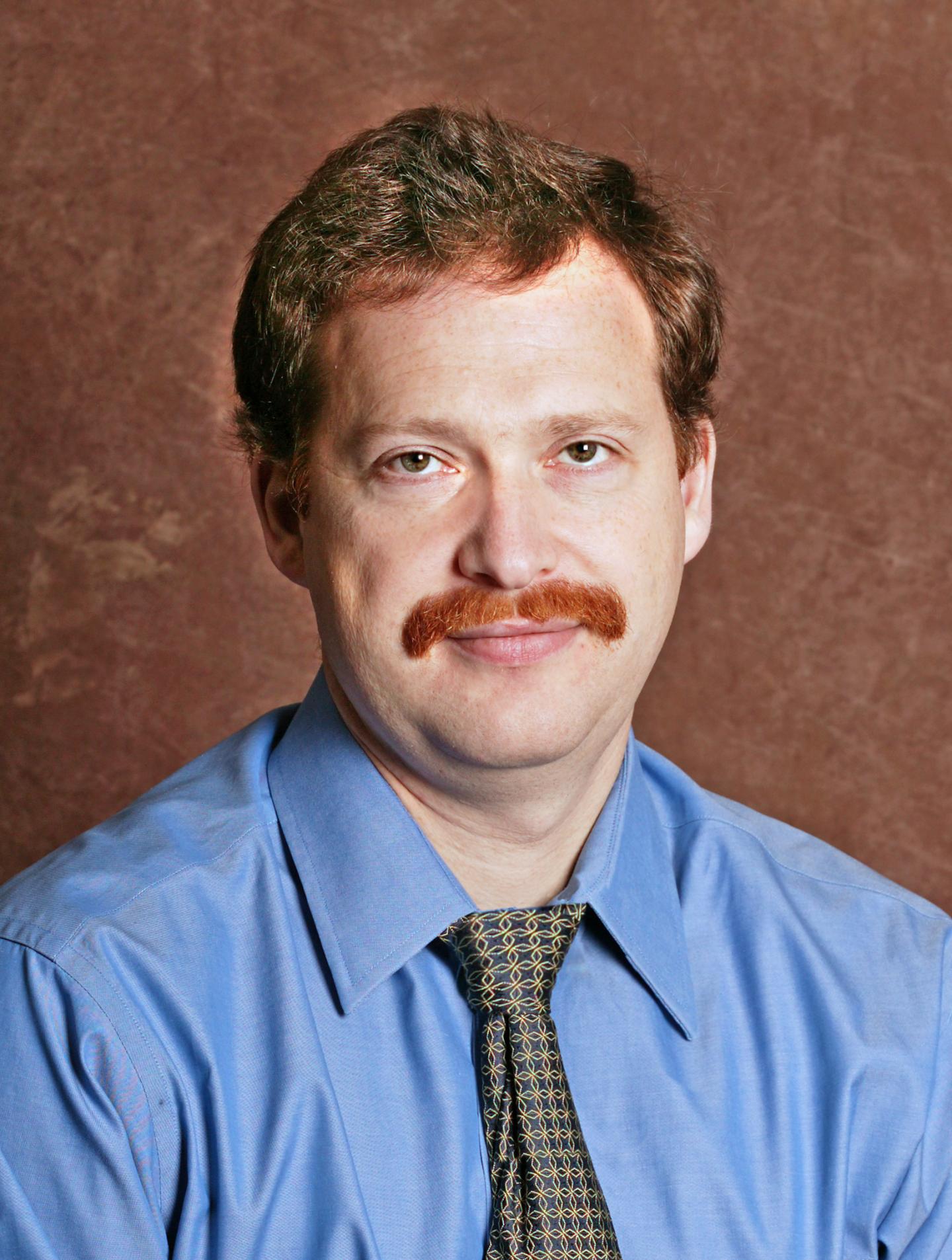
IMAGE

Credit: Elle Starkman

Physicist Igor Kaganovich at the Department of Energy's (DOE) Princeton Plasma Physics Laboratory (PPPL) and collaborators have uncovered some of the physics that make possible the etching of silicon computer chips, which power cell phones, computers, and a huge range of electronic devices. Specifically, the team found how electrically charged gas known as plasma makes the etching process more effective than it would otherwise be. The research, published in two papers appearing in the September and December 2016 issues of Physics of Plasmas, was supported by the DOE's Office of Science (FES).

Kaganovich, Deputy Head of the PPPL Theory Department, together with Dmytro Sydorenko of the University of Alberta, knew that the plasma etching process was effective, but were not sure exactly how the process worked. So they investigated the process's theoretical underpinnings.

During the etching process, a piece of silicon is placed in a chamber and immersed within a thin layer of plasma, about two centimeters wide. Also within the plasma are two electrodes spaced a couple of centimeters apart that produce a beam of electrons. As the electrons flow through the plasma, they start a process known as a two-stream instability, which excites plasma waves that enable the plasma to etch the silicon more efficiently.

Sydorenko and Kaganovich modeled this process. They showed that the waves created by the electron beam can become much more intense than in plasmas that are not bounded by electrodes. In other words, when a plasma is bounded, the wave driven by the two-stream instability can become very strong. "The simulations indicate that the placing of plasma within a pair of electrodes supports the excitation of large plasma waves, which then lead to the acceleration of plasma electrons that can aid etching," Kaganovich said.

Understanding the physics undergirding the plasma etching technique could help researchers design more efficient processes to etch circuits on silicon chips.

PPPL, on Princeton University's Forrestal Campus in Plainsboro, N.J., is devoted to creating new knowledge about the physics of plasmas — ultra-hot, charged gases — and to developing practical solutions for the creation of fusion energy. The Laboratory is managed by the University for the U.S. Department of Energy's Office of Science, which is the largest single supporter of basic research in the physical sciences in the United States, and is working to address some of the most pressing challenges of our time. For more information, please visit science.energy.gov.

###

Media Contact

Raphael Rosen
[email protected]
@PPPLab

http://www.pppl.gov

############

Story Source: Materials provided by Scienmag
Share12Tweet8Share2ShareShareShare2

Related Posts

Quasi-Bound States Boost Quantum Well Photoresponse — Technology and Engineering

Quasi-Bound States Boost Quantum Well Photoresponse

July 4, 2026

Lysine Pyruvylation Links Glycolysis to Epigenetics

July 4, 2026

Multiphysics Coupling: Single vs. Multiple DeepONet Branches

July 4, 2026

Personalized Neoantigen Dendritic Cell Vaccine in Glioblastoma

July 4, 2026
Please login to join discussion

POPULAR NEWS

  • Detection of EDCs in Breast Milk and Infant Urine Up to Six Months Highlights Early Exposure Risks

    77 shares
    Share 31 Tweet 19
  • Saying Goodbye to PGY-6: Pediatric Fellowship Realities

    103 shares
    Share 41 Tweet 26
  • New Drug Candidate Developed at McMaster Shows Potential for Treating Brain Cancer

    58 shares
    Share 23 Tweet 15
  • KTU Researchers Explore Ultrasound’s Role in Enhancing Blood Flow Beyond Diagnostics

    53 shares
    Share 21 Tweet 13

About

We bring you the latest biotechnology news from best research centers and universities around the world. Check our website.

Follow us

Recent News

Quasi-Bound States Boost Quantum Well Photoresponse

Lysine Pyruvylation Links Glycolysis to Epigenetics

Multiphysics Coupling: Single vs. Multiple DeepONet Branches

Subscribe to Blog via Email

Success! An email was just sent to confirm your subscription. Please find the email now and click 'Confirm' to start subscribing.

Join 83 other subscribers
  • Contact Us

Bioengineer.org © Copyright 2023 All Rights Reserved.

Welcome Back!

Login to your account below

Forgotten Password?

Retrieve your password

Please enter your username or email address to reset your password.

Log In
No Result
View All Result
  • Homepages
    • Home Page 1
    • Home Page 2
  • News
  • National
  • Business
  • Health
  • Lifestyle
  • Science

Bioengineer.org © Copyright 2023 All Rights Reserved.