• HOME
  • NEWS
  • EXPLORE
    • CAREER
      • Companies
      • Jobs
    • EVENTS
    • iGEM
      • News
      • Team
    • PHOTOS
    • VIDEO
    • WIKI
  • BLOG
  • COMMUNITY
    • FACEBOOK
    • INSTAGRAM
    • TWITTER
Tuesday, July 14, 2026
BIOENGINEER.ORG
No Result
View All Result
  • Login
  • HOME
  • NEWS
  • EXPLORE
    • CAREER
      • Companies
      • Jobs
        • Lecturer
        • PhD Studentship
        • Postdoc
        • Research Assistant
    • EVENTS
    • iGEM
      • News
      • Team
    • PHOTOS
    • VIDEO
    • WIKI
  • BLOG
  • COMMUNITY
    • FACEBOOK
    • INSTAGRAM
    • TWITTER
  • HOME
  • NEWS
  • EXPLORE
    • CAREER
      • Companies
      • Jobs
        • Lecturer
        • PhD Studentship
        • Postdoc
        • Research Assistant
    • EVENTS
    • iGEM
      • News
      • Team
    • PHOTOS
    • VIDEO
    • WIKI
  • BLOG
  • COMMUNITY
    • FACEBOOK
    • INSTAGRAM
    • TWITTER
No Result
View All Result
Bioengineer.org
No Result
View All Result
Home NEWS Science News Chemistry

Porous crystals made from plant extracts purify water from pharmaceutical pollutants

Bioengineer by Bioengineer
May 15, 2023
in Chemistry
Reading Time: 2 mins read
0
SU-102 crystal
Share on FacebookShare on TwitterShare on LinkedinShare on RedditShare on Telegram

Researchers from Stockholm University have developed porous crystals made from pomegranate extract to capture and degrade pharmaceutical molecules found in local municipal wastewater. The research is published in the scientific journal Nature Water.
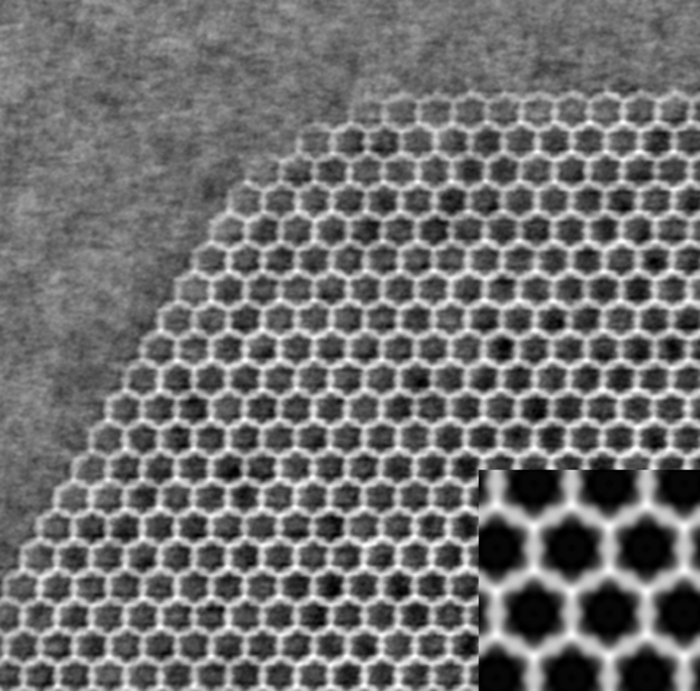
SU-102 crystal

Credit: Tom Willhammar

Researchers from Stockholm University have developed porous crystals made from pomegranate extract to capture and degrade pharmaceutical molecules found in local municipal wastewater. The research is published in the scientific journal Nature Water.

Pharmaceutical compounds affect the human body to improve our health, but they can also have unintentional adverse effects for the wellbeing of wildlife. Hence wastewater treatment plants are facing the challenge of removing emerging organic contaminants (EOCs) such as active pharmaceutical ingredients, and therefore new materials and technologies are required.

One strategy for removing pollutants from water is by using porous materials that behave like sponges. Metal-organic frameworks, so called MOFs, are a type of nanoporous material that are made of metal ions and organic molecules. Most MOFs are made using synthetic organic molecules. But now researchers from the Department of Materials and Environmental Chemistry, Stockholm University, have managed to develop new porous MOFs using a naturally occurring molecule found in plants – ellagic acid. 

“Ellagic acid is one of the main building units of naturally occurring polyphenols known as tannins, which are common in fruits, berries, nuts, and tree bark. By combining ellagic acid, which was extracted from either pomegranate peel or tree bark, with zirconium ions, we developed a new highly porous MOF which we named SU-102,” says Erik Svensson Grape, PhD student at the Department of Materials and Environmental Chemistry.

In order to test the performance of SU-102, water that had already been purified at a local wastewater treatment facility was further treated with the new MOF. The results showed that SU-102 removed many of the pharmaceutical pollutants that were not fully removed by the wastewater treatment facility. In addition to capturing the pharmaceutical pollutants, SU-102 was also used to break down pollutants using light in a process known as photodegradation.

“This has been a very exciting project as we got the opportunity to work directly with water samples from the treatment plant, thereby finding an application where our material could be put to use towards a very pressing environmental issue. We hope one day that SU-102 will be used on a bigger scale and also for other environmental applications,” says Erik Svensson Grape at Stockholm University.


Journal

Nature Water

DOI

10.1038/s44221-023-00070-z

Method of Research

Experimental study

Subject of Research

Not applicable

Article Title

Removal of pharmaceutical pollutants from effluent by a plant-based metal–organic framework

Article Publication Date

15-May-2023

Share12Tweet8Share2ShareShareShare2

Related Posts

3D-Printed Contact Lenses Made in Just 20 Minutes

3D-Printed Contact Lenses Made in Just 20 Minutes

July 14, 2026
Acidic Cross-Linking Boosts One-Bath Dyeing of Polyester-Cotton Blends

Acidic Cross-Linking Boosts One-Bath Dyeing of Polyester-Cotton Blends

July 14, 2026

New Catalytic Method Converts Polystyrene Waste into Pure Toluene

July 14, 2026

New Catalytic Method Converts Polystyrene Waste into Pure Toluene Efficiently

July 14, 2026

POPULAR NEWS

  • New Drug Candidate Developed at McMaster Shows Potential for Treating Brain Cancer

    58 shares
    Share 23 Tweet 15
  • Detection of EDCs in Breast Milk and Infant Urine Up to Six Months Highlights Early Exposure Risks

    77 shares
    Share 31 Tweet 19
  • Experimental Therapy Simultaneously Destroys Prostate Tumor Cells and Reactivates Antitumor Immunity

    46 shares
    Share 18 Tweet 12
  • 高齢者の骨粗鬆症治療の持続性比較

    51 shares
    Share 20 Tweet 13

About

We bring you the latest biotechnology news from best research centers and universities around the world. Check our website.

Follow us

Recent News

Deep Learning Detects REM Sleep Disorder and Parkinson’s Early via fMRI

Durable Silver Plating Developed for Extended Use

Engineered Bifidobacterium offers promise for oral cancer vaccine delivery

Subscribe to Blog via Email

Enter your email address to subscribe to this blog and receive notifications of new posts by email.

Join 85 other subscribers
  • Contact Us

Bioengineer.org © Copyright 2023 All Rights Reserved.

Welcome Back!

Login to your account below

Forgotten Password?

Retrieve your password

Please enter your username or email address to reset your password.

Log In
No Result
View All Result
  • Homepages
    • Home Page 1
    • Home Page 2
  • News
  • National
  • Business
  • Health
  • Lifestyle
  • Science

Bioengineer.org © Copyright 2023 All Rights Reserved.