• HOME
  • NEWS
  • EXPLORE
    • CAREER
      • Companies
      • Jobs
    • EVENTS
    • iGEM
      • News
      • Team
    • PHOTOS
    • VIDEO
    • WIKI
  • BLOG
  • COMMUNITY
    • FACEBOOK
    • INSTAGRAM
    • TWITTER
Tuesday, October 27, 2026
BIOENGINEER.ORG
No Result
View All Result
  • Login
  • HOME
  • NEWS
  • EXPLORE
    • CAREER
      • Companies
      • Jobs
        • Lecturer
        • PhD Studentship
        • Postdoc
        • Research Assistant
    • EVENTS
    • iGEM
      • News
      • Team
    • PHOTOS
    • VIDEO
    • WIKI
  • BLOG
  • COMMUNITY
    • FACEBOOK
    • INSTAGRAM
    • TWITTER
No Result
View All Result
Bioengineer.org
No Result
View All Result
Home NEWS Science News Biology

Pollinator abundance shifts where sexual selection acts in a flowering plant

by
October 27, 2026
in Biology
Reading Time: 2 mins read
0
Pollinator abundance shifts where sexual selection acts in a flowering plant

Pollinator abundance shifts where sexual selection acts in a flowering plant

Share on FacebookShare on TwitterShare on LinkedinShare on RedditShare on Telegram

Sexual selection in flowering plants unfolds across multiple sequential episodes, and the balance between them depends on how many pollinators are around, according to a new study of the hermaphroditic plant Brassica rapa published in PLOS Biology.

Although sexual selection is well established in animals, tests in plants remain limited. Theory based on anisogamy predicts that the two sex functions differ in the fitness benefits of gaining additional mates, a pattern repeatedly confirmed in animals. Plant studies, however, have relied solely on genetic parentage analyses to estimate mate numbers, which conflates success in accessing mates with success in fertilizing gametes.

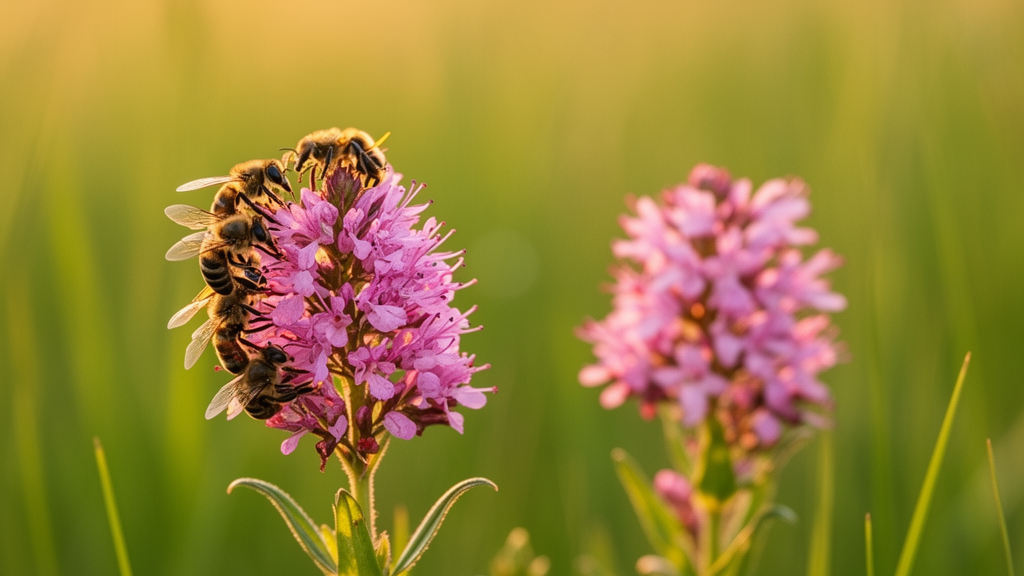
To separate these stages, the researchers combined direct observations of buff-tailed bumblebee (Bombus terrestris) movements with genetic paternity analyses in experimental populations. This design provided independent estimates of the observational number of mates acquired and of realized fertilization success, allowing the team to disentangle consecutive episodes of sexual selection within the same populations.

The results identified pollen competition for ovules as the primary arena for sexual selection in B. rapa. Competition for access to mates constituted a secondary force, and it was stronger in the male than in the female sex function, matching the prediction of classic sexual selection theory.

The ecological context mattered as well. When the researchers experimentally reduced pollinator abundance, the balance between pre- and post-pollination sexual selection shifted, increasing the opportunity for selection on mate acquisition. The authors also found that ignoring pollinator movements led to biased estimates of pre-pollination sexual selection, underscoring the value of pairing behavioral observations with paternity data.

Overall, the study demonstrates that sexual selection in plants is not a single process but a sequence of episodes, shaped by the behavior and abundance of pollinators, with competition among gametes emerging as the dominant stage in this species.

Subject of Research: How pollinator abundance shapes the episodes of sexual selection in the hermaphroditic plant Brassica rapa

Article Title: Pollinator abundance shapes sexual selection in an angiosperm

Article References: Barbot, E., Dufaÿ, M., Janicke, T., Lapeyre, B., Orcel, D., Rousset, F., & Tonnabel, J. (2026). Pollinator abundance shapes sexual selection in an angiosperm. PLOS Biology, 24(10), e3003579. https://doi.org/10.1371/journal.pbio.3003579

Image Credits: AI Generated

DOI: 10.1371/journal.pbio.3003579

Keywords: sexual selection, pollinators, Brassica rapa, Bombus terrestris, paternity analysis, anisogamy, pollen competition, mate acquisition, plant reproduction, PLOS Biology, Pollinator, abundance

News Source: Julie Wynn. (October 27, 2026). Pollinator abundance shifts where sexual selection acts in a flowering plant. Scienmag.

Tags: abundanceanisogamyBombus terrestrisBrassica rapamate acquisitionpaternity analysisplant reproductionPLOS Biologypollen competitionPollinatorpollinatorssexual selection
Share12Tweet7Share2ShareShareShare1

Related Posts

Cryo-EM reveals how unrelated phage peptides converge on the same bacterial target

Cryo-EM reveals how unrelated phage peptides converge on the same bacterial target

October 27, 2026
Eight Practical Tips for Navigating the Reactome Pathway Knowledgebase

Eight Practical Tips for Navigating the Reactome Pathway Knowledgebase

October 27, 2026

Scientists map ten design-thinking rules for pivoting careers out of the lab

October 27, 2026

Ten Rules to Help Early-Career Scientists Survive Academic Job Screening

October 27, 2026

POPULAR NEWS

  • Cryo-EM reveals how unrelated phage peptides converge on the same bacterial target

    Cryo-EM reveals how unrelated phage peptides converge on the same bacterial target

    29 shares
    Share 12 Tweet 7
  • Pollinator abundance shifts where sexual selection acts in a flowering plant

    29 shares
    Share 12 Tweet 7
  • Survey Maps How Japanese Home-Visit Nurses Choose Where to Work

    29 shares
    Share 12 Tweet 7
  • Eight Practical Tips for Navigating the Reactome Pathway Knowledgebase

    29 shares
    Share 12 Tweet 7

About

We bring you the latest biotechnology news from best research centers and universities around the world. Check our website.

Follow us

Recent News

Cryo-EM reveals how unrelated phage peptides converge on the same bacterial target

Pollinator abundance shifts where sexual selection acts in a flowering plant

Survey Maps How Japanese Home-Visit Nurses Choose Where to Work

Subscribe to Blog via Email

Enter your email address to subscribe to this blog and receive notifications of new posts by email.

Join 85 other subscribers
  • Contact Us

Bioengineer.org © Copyright 2023 All Rights Reserved.

Welcome Back!

Login to your account below

Forgotten Password?

Retrieve your password

Please enter your username or email address to reset your password.

Log In
No Result
View All Result
  • Homepages
    • Home Page 1
    • Home Page 2
  • News
  • National
  • Business
  • Health
  • Lifestyle
  • Science

Bioengineer.org © Copyright 2023 All Rights Reserved.