• HOME
  • NEWS
  • EXPLORE
    • CAREER
      • Companies
      • Jobs
    • EVENTS
    • iGEM
      • News
      • Team
    • PHOTOS
    • VIDEO
    • WIKI
  • BLOG
  • COMMUNITY
    • FACEBOOK
    • INSTAGRAM
    • TWITTER
Sunday, May 24, 2026
BIOENGINEER.ORG
No Result
View All Result
  • Login
  • HOME
  • NEWS
  • EXPLORE
    • CAREER
      • Companies
      • Jobs
        • Lecturer
        • PhD Studentship
        • Postdoc
        • Research Assistant
    • EVENTS
    • iGEM
      • News
      • Team
    • PHOTOS
    • VIDEO
    • WIKI
  • BLOG
  • COMMUNITY
    • FACEBOOK
    • INSTAGRAM
    • TWITTER
  • HOME
  • NEWS
  • EXPLORE
    • CAREER
      • Companies
      • Jobs
        • Lecturer
        • PhD Studentship
        • Postdoc
        • Research Assistant
    • EVENTS
    • iGEM
      • News
      • Team
    • PHOTOS
    • VIDEO
    • WIKI
  • BLOG
  • COMMUNITY
    • FACEBOOK
    • INSTAGRAM
    • TWITTER
No Result
View All Result
Bioengineer.org
No Result
View All Result
Home NEWS Science News Biology

Playing ‘tag’: Tracking movement of young oysters

Bioengineer by Bioengineer
June 24, 2019
in Biology
Reading Time: 2 mins read
0
IMAGE
Share on FacebookShare on TwitterShare on LinkedinShare on RedditShare on Telegram

IMAGE

Credit: Haley Nicholson Gancel

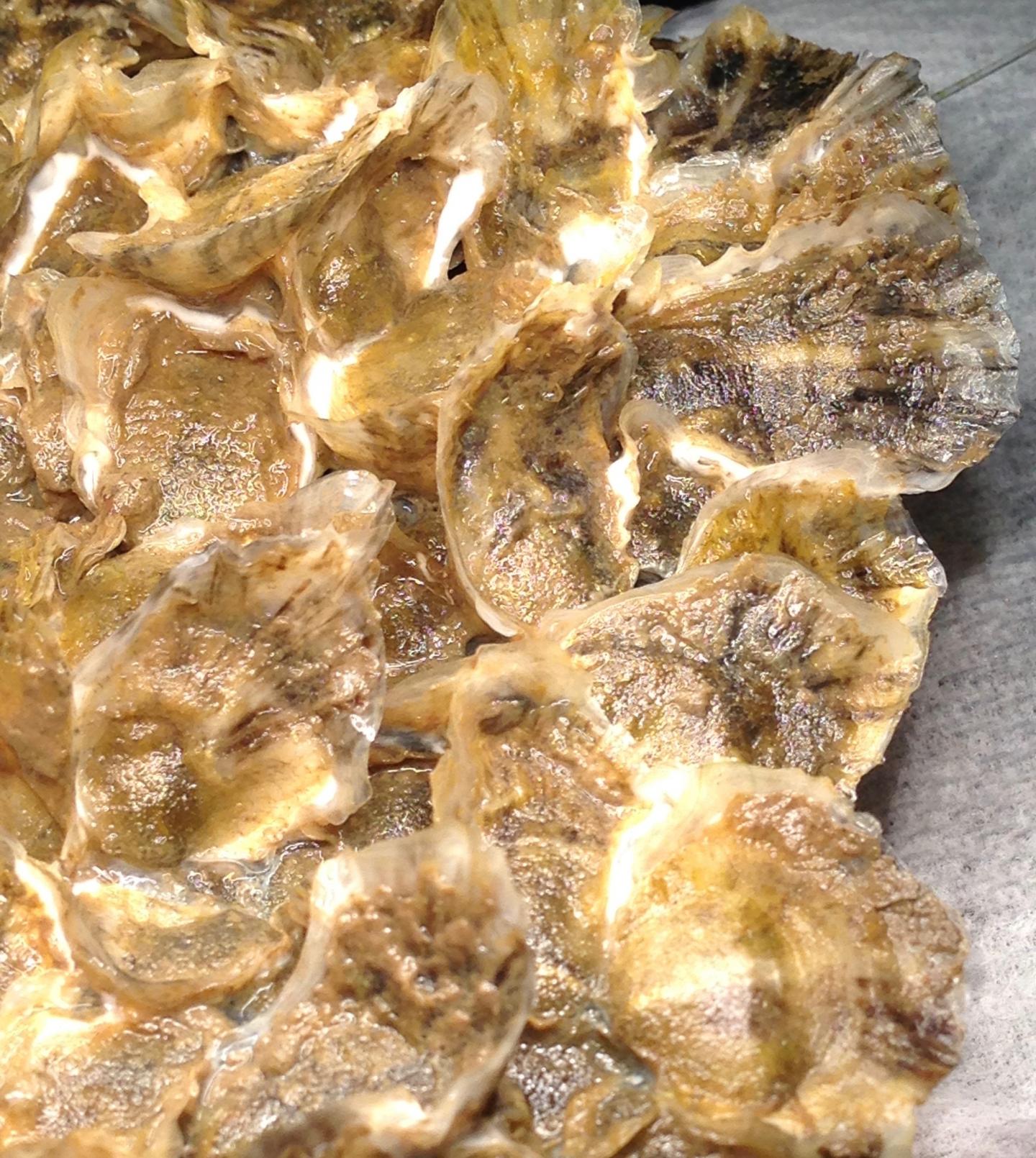
A new publication in the journal Estuaries and Coasts investigates the use of a fluorescent dye to track movements of young oysters. The publication, “Field mark-recapture of calcein-stained larval oysters (Crassostrea virginica) in a freshwater-dominated estuary”, provides new knowledge on methods for tracking oysters in low salinity environments common to coastal waters, particularly in the northern Gulf of Mexico. This information is important to understand where oysters settle and grow compared to locations of parent stocks and to guide management practices of oysters or any marine species with larval stages that live in the water column.

Free-living aquatic animals have the potential to be transported long distances during early life development. These movements can influence adult distributions and subsequently how populations are connected. By understanding larval transport pathways, we can better inform restoration efforts of remaining marine invertebrate populations globally. This information is particularly important for commercial species such as oysters, which are a valuable resource for Alabama and other coastal waters.

“By knowing where larvae originate and where they end up, we can determine what locations are better for oyster populations and provide managers with information to select sites for oyster restoration,” said Haley Gancel, Ph.D. candidate, who is lead author on the research study. Gancel is a student at the University of South Alabama and works with Dr. Ruth H. Carmichael at the Dauphin Island Sea Lab.

Determining larval transport pathways is a challenge due to the microscopic size of larvae,
high mortalities rates, and dilution in the marine environment. In this study researchers used a harmless fluorescent dye called calcein to track oyster larval movements in Mobile Bay, AL and found that oyster larvae are transported from lower Mobile Bay to Mississippi Sound, using dominate freshwater flow paths.

The approach used in this study can be applied to a wider range of marine species and help understand how larvae are transported in the marine environment and aid in restoration and management of this and other species throughout their range.

###

You can read this article here: https://doi.org/10.1007/s12237-019-00582-6.

Media Contact
Angela Levins
[email protected]

Original Source

https://www.disl.org/about/news/playing-tag-tracking-movement-of-young-oysters

Related Journal Article

http://dx.doi.org/10.1007/s12237-019-00582-6

Tags: Earth ScienceEcology/EnvironmentSocial/Behavioral Science
Share12Tweet8Share2ShareShareShare2

Related Posts

Rising Sightings of Blue and Fin Whales in the South East Atlantic — Biology

Rising Sightings of Blue and Fin Whales in the South East Atlantic

May 23, 2026
New Maps Reveal How European Landscapes Can Simultaneously Promote Climate Action and Biodiversity Conservation — Biology

New Maps Reveal How European Landscapes Can Simultaneously Promote Climate Action and Biodiversity Conservation

May 22, 2026

University of Cincinnati Structural Biologists Achieve World First in Visualizing Crucial Cell Protein

May 22, 2026

Reducing Fertilizer Use Through Strategic Scientific Partnerships

May 22, 2026
Please login to join discussion

POPULAR NEWS

  • ESMO 2025: mRNA COVID Vaccines Enhance Efficacy of Cancer Immunotherapy

    313 shares
    Share 125 Tweet 78
  • New Study Reveals Plants Can Detect the Sound of Rain

    734 shares
    Share 293 Tweet 183
  • Research Indicates Potential Connection Between Prenatal Medication Exposure and Elevated Autism Risk

    847 shares
    Share 339 Tweet 212
  • Common Food Preservatives Associated with Elevated Blood Pressure and Increased Heart Disease Risk

    55 shares
    Share 22 Tweet 14

About

We bring you the latest biotechnology news from best research centers and universities around the world. Check our website.

Follow us

Recent News

Predicting Flashover on Polluted Insulators with CNN-LSTM

Sepsis from C. difficile Infection Has Comparable Mortality

Mortality Trends in Dallas Very Preterm Neonates, 1977–2024

Subscribe to Blog via Email

Enter your email address to subscribe to this blog and receive notifications of new posts by email.

Join 83 other subscribers
  • Contact Us

Bioengineer.org © Copyright 2023 All Rights Reserved.

Welcome Back!

Login to your account below

Forgotten Password?

Retrieve your password

Please enter your username or email address to reset your password.

Log In
No Result
View All Result
  • Homepages
    • Home Page 1
    • Home Page 2
  • News
  • National
  • Business
  • Health
  • Lifestyle
  • Science

Bioengineer.org © Copyright 2023 All Rights Reserved.