• HOME
  • NEWS
  • EXPLORE
    • CAREER
      • Companies
      • Jobs
    • EVENTS
    • iGEM
      • News
      • Team
    • PHOTOS
    • VIDEO
    • WIKI
  • BLOG
  • COMMUNITY
    • FACEBOOK
    • INSTAGRAM
    • TWITTER
Tuesday, June 2, 2026
BIOENGINEER.ORG
No Result
View All Result
  • Login
  • HOME
  • NEWS
  • EXPLORE
    • CAREER
      • Companies
      • Jobs
        • Lecturer
        • PhD Studentship
        • Postdoc
        • Research Assistant
    • EVENTS
    • iGEM
      • News
      • Team
    • PHOTOS
    • VIDEO
    • WIKI
  • BLOG
  • COMMUNITY
    • FACEBOOK
    • INSTAGRAM
    • TWITTER
  • HOME
  • NEWS
  • EXPLORE
    • CAREER
      • Companies
      • Jobs
        • Lecturer
        • PhD Studentship
        • Postdoc
        • Research Assistant
    • EVENTS
    • iGEM
      • News
      • Team
    • PHOTOS
    • VIDEO
    • WIKI
  • BLOG
  • COMMUNITY
    • FACEBOOK
    • INSTAGRAM
    • TWITTER
No Result
View All Result
Bioengineer.org
No Result
View All Result
Home NEWS Science News Biology

Plastic pollution can kill variety of ocean embryos

Bioengineer by Bioengineer
April 16, 2024
in Biology
Reading Time: 3 mins read
0
Embryos grown with and without high concentrations of new PVC pellets
Share on FacebookShare on TwitterShare on LinkedinShare on RedditShare on Telegram

High levels of plastic pollution can kill the embryos of a wide range of ocean animals, new research shows.
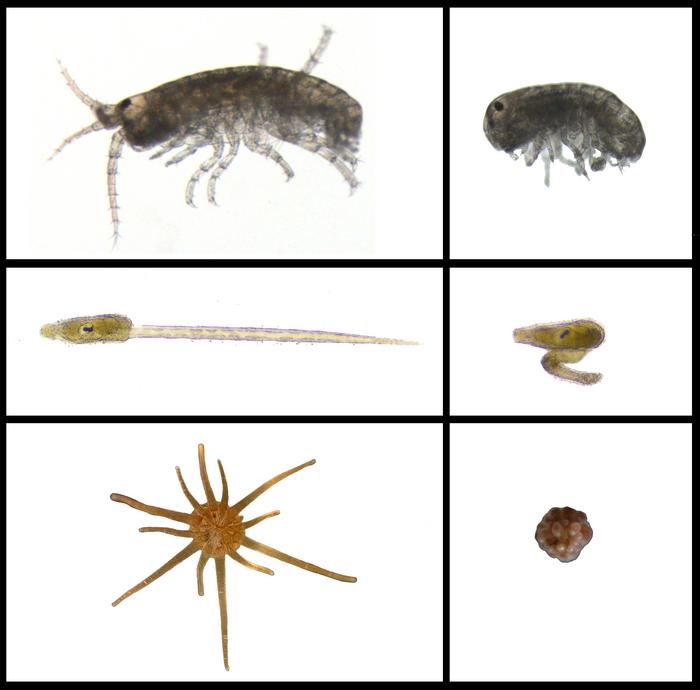
Embryos grown with and without high concentrations of new PVC pellets

Credit: Dr Eva Jimenez-Guri

High levels of plastic pollution can kill the embryos of a wide range of ocean animals, new research shows.

Scientists tested the effects of new PVC pellets (pre-production “nurdles” used to make many plastic products) on the development of seven species, spanning all major groups (superphyla) of ocean animals.

Exposure to high concentrations of PVC pellets prevented healthy development in all seven species.

The main process affected was morphogenesis – an organism developing its shape – and shapeless embryos cannot survive.

The study, by an international team led by the Stazione Zoologica Anton Dohrn (Italy) and the University of Exeter (UK), highlights the “potentially catastrophic effects” of rising levels of plastic in the ocean.

“When exposed to high levels of new PVC pellets, the species we examined went wrong in different ways,” said first author Dr Eva Jimenez-Guri.

“Some failed to make a shell or a notocord, some failed to form proper bilateral (left-right) features, some just stopped developing after a few rounds of cell division.

“They all failed to make a viable embryo.”

The study also included three species that reproduce asexually by regeneration (splitting) and found these were also affected by high concentrations of new PVC pellets.

“The level of pollution we examined would only be seen in circumstances such as a spill of PVC pellets,” Dr Jimenez-Guri said.

“We know these happen. For example, millions of pellets were spilled from a cargo ship off Portugal in January.

“Rivers and beaches near petrochemical plants have also been found to contain very high levels of pre-production pellets.”

The European Union is currently debating legislation aimed to reduce releases of pre-production plastic pellets.

The study also examined the toxic effects of plastic samples recovered from beaches.

While the effects were not as widespread as those of new PVC pellets, high concentrations were found to affect the development of molluscs, sea urchins, sea stars and sea squirts.

Coasts and rivers are known hotspots for plastic pollution and – as the species in the study all live in coastal areas – severe pollution could have a major impact.

“If you have extreme pollution at a time when these species are reproducing, then you don’t have the next generation of those species,” Dr Jimenez-Guri said.

Explaining how plastics cause developmental abnormalities, Dr Jimenez-Guri said plastics contain a complex variety of potentially harmful components including zinc in this case – which are slowly released once plastic is in the water.

She added: “If we reach these extreme levels of plastic pollution at our coasts – which happens in isolated cases but is thankfully uncommon at present – many species may become unable to reproduce, with massive impacts for marine life, the wider environment and people.

“We need urgent action to reduce the amount of plastic entering the ocean.”

The research was funded by a Marie Skłodowska-Curie Action Fellowship awarded to Dr Jimenez-Guri.

The paper, published in the journal Chemosphere, is entitled: “Developmental toxicity of pre-production plastic pellets affects a large swathe of invertebrate taxa.”


Journal

Chemosphere

DOI

10.1016/j.chemosphere.2024.141887

Article Title

Developmental toxicity of pre-production plastic pellets affects a large swathe of invertebrate taxa

Article Publication Date

16-Apr-2024

Share12Tweet8Share2ShareShareShare2

Related Posts

How Screens Are Reshaping Childhood: New Research Reveals the Developing Brain Integrates Experience Until Age 25, Impacting Mental Health Deeply — Biology

How Screens Are Reshaping Childhood: New Research Reveals the Developing Brain Integrates Experience Until Age 25, Impacting Mental Health Deeply

June 2, 2026
Why Most Biology Education Guidelines Overlook Society — UW Researchers Highlight the Consequences — Biology

Why Most Biology Education Guidelines Overlook Society — UW Researchers Highlight the Consequences

June 2, 2026

Mount Sinai Scientists Identify Significant Genetic Factors in Postpartum Psychosis, Shedding Light on Severe Maternal Mental Illness

June 2, 2026

Jumping Genes Surprise Scientists on the Y Chromosome

June 1, 2026

POPULAR NEWS

  • ESMO 2025: mRNA COVID Vaccines Enhance Efficacy of Cancer Immunotherapy

    320 shares
    Share 128 Tweet 80
  • Multi-Hospital Study Reveals Long Covid Burden Is Twice as High as Current Estimates

    85 shares
    Share 34 Tweet 21
  • Saying Goodbye to PGY-6: Pediatric Fellowship Realities

    63 shares
    Share 25 Tweet 16
  • Common Food Preservatives Associated with Elevated Blood Pressure and Increased Heart Disease Risk

    57 shares
    Share 23 Tweet 14

About

We bring you the latest biotechnology news from best research centers and universities around the world. Check our website.

Follow us

Recent News

How Screens Are Reshaping Childhood: New Research Reveals the Developing Brain Integrates Experience Until Age 25, Impacting Mental Health Deeply

“Solving the ultra-thin challenge: Contact resistance reduced 50×, on-state current boosted 17×”

CRISPR Gene Editing Reveals Role of Collagen Dysfunction in Cerebral Microbleeds

Subscribe to Blog via Email

Enter your email address to subscribe to this blog and receive notifications of new posts by email.

Join 82 other subscribers
  • Contact Us

Bioengineer.org © Copyright 2023 All Rights Reserved.

Welcome Back!

Login to your account below

Forgotten Password?

Retrieve your password

Please enter your username or email address to reset your password.

Log In
No Result
View All Result
  • Homepages
    • Home Page 1
    • Home Page 2
  • News
  • National
  • Business
  • Health
  • Lifestyle
  • Science

Bioengineer.org © Copyright 2023 All Rights Reserved.