• HOME
  • NEWS
  • EXPLORE
    • CAREER
      • Companies
      • Jobs
    • EVENTS
    • iGEM
      • News
      • Team
    • PHOTOS
    • VIDEO
    • WIKI
  • BLOG
  • COMMUNITY
    • FACEBOOK
    • INSTAGRAM
    • TWITTER
Thursday, June 25, 2026
BIOENGINEER.ORG
No Result
View All Result
  • Login
  • HOME
  • NEWS
  • EXPLORE
    • CAREER
      • Companies
      • Jobs
        • Lecturer
        • PhD Studentship
        • Postdoc
        • Research Assistant
    • EVENTS
    • iGEM
      • News
      • Team
    • PHOTOS
    • VIDEO
    • WIKI
  • BLOG
  • COMMUNITY
    • FACEBOOK
    • INSTAGRAM
    • TWITTER
  • HOME
  • NEWS
  • EXPLORE
    • CAREER
      • Companies
      • Jobs
        • Lecturer
        • PhD Studentship
        • Postdoc
        • Research Assistant
    • EVENTS
    • iGEM
      • News
      • Team
    • PHOTOS
    • VIDEO
    • WIKI
  • BLOG
  • COMMUNITY
    • FACEBOOK
    • INSTAGRAM
    • TWITTER
No Result
View All Result
Bioengineer.org
No Result
View All Result
Home NEWS Science News Biology

Plant diversity increases insect diversity

Bioengineer by Bioengineer
April 9, 2019
in Biology
Reading Time: 2 mins read
0
IMAGE
Share on FacebookShare on TwitterShare on LinkedinShare on RedditShare on Telegram

IMAGE

Credit: Alex Fergus

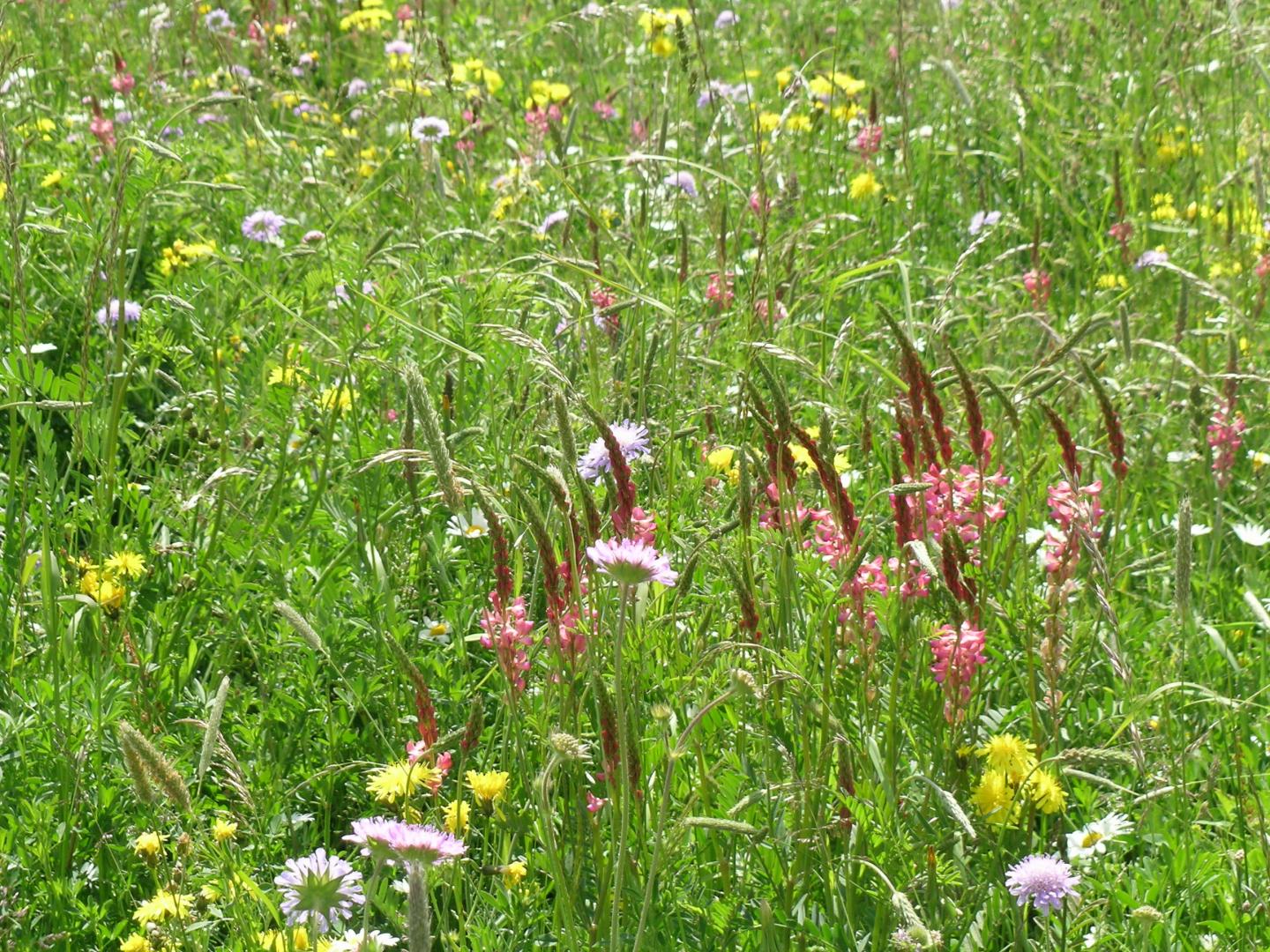
The more plant species live in grasslands and forests, the more insect species find a habitat there. However, the presence of more plant species does not only increase the number of insect species, but also the number of insect individuals. Simultaneously, animal diversity is not only determined by plant diversity, but also by the physical structure of the plant communities. These are the results of an international collaboration led by the German Centre for Integrative Biodiversity Research (iDiv), published in the journal Nature Communications. These results have consequences for the insect-friendly management of grasslands and forests.

“Our results make it clear that developments such as the currently observed insect decline can be linked to the way in which we humans manage the ecosystems we use,” says lead author Prof Andreas Schuldt from the University of Göttingen, previously with the German Centre for Integrative Biodiversity Research (iDiv). Together with his co-authors, Schuldt evaluated extensive data on plant and insect diversity from two of the world’s largest biodiversity experiments: the Jena Experiment and BEF-China. In the first experiment, the number of plant species in a grassland was altered and in the second, the number of tree species in a forest. Both experiments were designed to investigate the effects of plant diversity on other organisms and the functioning of the respective ecosystem.

The data show that a reduction in plant species richness (number of species) caused by, for example, the intensive use of agricultural and forest land, can lead to reduced insect abundance (number of individuals), which in turn reduces insect species richness. “It is important to note that it is not only the loss of plant species alone which is crucial, but also the associated loss of structural diversity,” says Jena Experiment speaker and senior author Prof Nico Eisenhauer from the iDiv research centre and Leipzig University. “These results show that we can make a significant contribution to the protection of biodiversity through structure-enhancing measures such as adapted mowing times and the preservation of old trees,” adds BEF-China speaker Prof Helge Bruelheide from the Martin Luther University Halle-Wittenberg and iDiv.

The comparison of data from widely differing habitats shows the relevance of these research results for key ecosystems used by humans. The study was made possible by extensive funding from the Deutsche Forschungsgemeinschaft (DFG).

###

Media Contact
Volker Hahn
[email protected]

Original Source

https://www.idiv.de/en/news/news_single_view/news_article/plant_divers-2.html

Related Journal Article

http://dx.doi.org/10.1038/s41467-019-09448-8

Tags: AgricultureBiodiversityBiologyEcology/EnvironmentEntomologyForestryPlant SciencesPopulation Biology
Share13Tweet8Share2ShareShareShare2

Related Posts

Scientists Attack Soybean Cyst Nematode by Starving Its Food Source

June 25, 2026

Decoding the Secret Code of a Crucial Immune Sensor

June 24, 2026

Decades of Data Reveal Which Orcas Call Puget Sound Home

June 24, 2026

Copal Tree Genetics Reveal Tropical Forest Connectivity

June 24, 2026
Please login to join discussion

POPULAR NEWS

  • Saying Goodbye to PGY-6: Pediatric Fellowship Realities

    103 shares
    Share 41 Tweet 26
  • Multi-Hospital Study Reveals Long Covid Burden Is Twice as High as Current Estimates

    92 shares
    Share 36 Tweet 23
  • Detection of EDCs in Breast Milk and Infant Urine Up to Six Months Highlights Early Exposure Risks

    77 shares
    Share 31 Tweet 19
  • New Drug Candidate Developed at McMaster Shows Potential for Treating Brain Cancer

    58 shares
    Share 23 Tweet 15

About

We bring you the latest biotechnology news from best research centers and universities around the world. Check our website.

Follow us

Recent News

GW250114 Uncovers Post-Merger Black Hole Clues

Risk and Relapse Patterns in Triple-Negative Breast Cancer

Central Venous Pressure and IVC in Ventilated Neonates

Subscribe to Blog via Email

Enter your email address to subscribe to this blog and receive notifications of new posts by email.

Join 82 other subscribers
  • Contact Us

Bioengineer.org © Copyright 2023 All Rights Reserved.

Welcome Back!

Login to your account below

Forgotten Password?

Retrieve your password

Please enter your username or email address to reset your password.

Log In
No Result
View All Result
  • Homepages
    • Home Page 1
    • Home Page 2
  • News
  • National
  • Business
  • Health
  • Lifestyle
  • Science

Bioengineer.org © Copyright 2023 All Rights Reserved.