• HOME
  • NEWS
  • EXPLORE
    • CAREER
      • Companies
      • Jobs
    • EVENTS
    • iGEM
      • News
      • Team
    • PHOTOS
    • VIDEO
    • WIKI
  • BLOG
  • COMMUNITY
    • FACEBOOK
    • INSTAGRAM
    • TWITTER
Tuesday, July 7, 2026
BIOENGINEER.ORG
No Result
View All Result
  • Login
  • HOME
  • NEWS
  • EXPLORE
    • CAREER
      • Companies
      • Jobs
        • Lecturer
        • PhD Studentship
        • Postdoc
        • Research Assistant
    • EVENTS
    • iGEM
      • News
      • Team
    • PHOTOS
    • VIDEO
    • WIKI
  • BLOG
  • COMMUNITY
    • FACEBOOK
    • INSTAGRAM
    • TWITTER
  • HOME
  • NEWS
  • EXPLORE
    • CAREER
      • Companies
      • Jobs
        • Lecturer
        • PhD Studentship
        • Postdoc
        • Research Assistant
    • EVENTS
    • iGEM
      • News
      • Team
    • PHOTOS
    • VIDEO
    • WIKI
  • BLOG
  • COMMUNITY
    • FACEBOOK
    • INSTAGRAM
    • TWITTER
No Result
View All Result
Bioengineer.org
No Result
View All Result
Home NEWS Science News Health

Plant-based products are not lowering blood pressure

Bioengineer by Bioengineer
July 16, 2018
in Health
Reading Time: 2 mins read
0
Share on FacebookShare on TwitterShare on LinkedinShare on RedditShare on Telegram
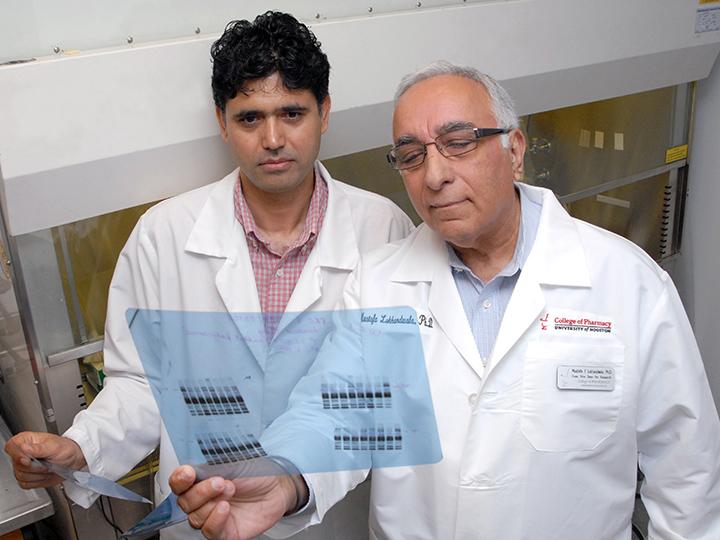
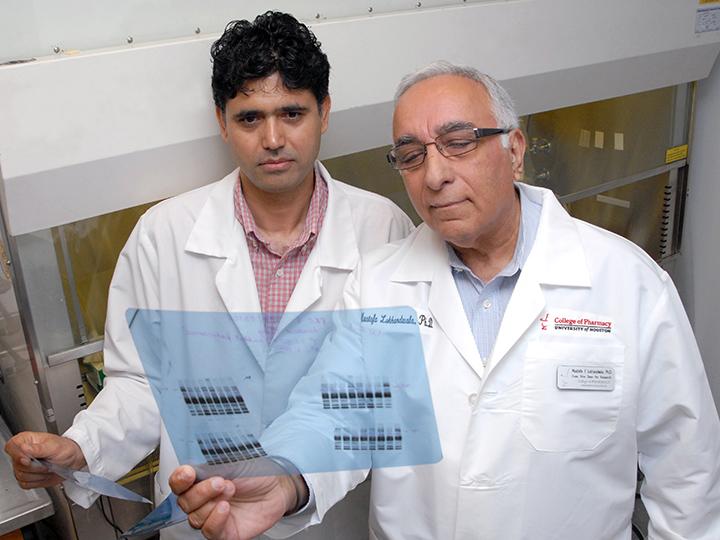
IMAGE

Credit: University of Houston

In the high-pressure world of lowering hypertension, a surprising favorite isn't standing up too well in clinical trials.

"Plant products per se or traditional antioxidants like vitamins failed to have a positive impact on renal or cardiovascular health during clinical studies," said Mustafa F. Lokhandwala, UH College of Pharmacy executive vice dean for research and director of the UH Heart and Kidney Institute. Plant-based products include chemical supplements like resveratrol, sulforaphane and curcumin.

So instead of relying on similar outward cures, Lokhandwala and Anees Banday, research associate professor of pharmacology, are looking inward, where they have found that a peptide, Angiotensin 1-7, that humans already possess can relieve oxidative stress and drive blood pressure back into normal ranges. Their hypothesis is backed by $2.64 million from the National Heart, Lung, and Blood Institute.

High blood pressure is a common condition that can cause uncommon damage. With each beat of the heart, blood is pushed through arteries to the rest of the body. That's force, or pressure. If that pressure is too high, either because of the amount of blood the heart pumps or the amount of resistance to pumping it, health problems including heart disease and stroke can occur.

It is well known that kidneys, or the renal system, regulate sodium and blood pressure. "Studies from our lab and others show that renal-specific oxidative stress could be an independent risk factor for systemic hypertension," said Lokhandwala. Oxidative stress is an imbalance between the production of free radicals (unstable atoms that can damage cells) and the body's ability to counteract their threats.

In the kidneys, oxidative stress could cause high blood pressure mostly through poor sodium regulation.

Since its discovery in 1988, the Angiotensin 1-7 peptide has been linked to protective roles in cardiovascular disease and in the health of the kidney, brain and other organs. Lokhandwala and Banday collected experimental evidence to suggest Angiotensin 1-7 could protect kidney cells from oxidative stress and reduce blood pressure.

Eventually, a pill that could activate Angiotensin 1-7 signalling will be a better alternative to currently available medication, said Lokhandwala.

If Angiotensin 1-7 is found to be effective, it will avoid many of the side effects which limit the use of existing drugs.

"Today in hypertension treatment, effective therapy is important, but therapy with fewer side effects would be a plus," said Lokhandwala. "Also, drugs to which patients do not develop tolerance is an important issue."

###

Media Contact

Laurie Fickman
[email protected]
713-743-8454
@UH_News

http://www.uh.edu/news-events

Original Source

http://www.uh.edu/news-events/stories/2018/july-2018/071618.php

Share12Tweet8Share2ShareShareShare2

Related Posts

Flame retardant BDE-209 targets molecularly linked to ulcerative colitis

July 6, 2026

Kidney transplant outcomes in older adults studied by German researchers

July 6, 2026

Salmonella protein SopB curbs early inflammation to slow disease progression

July 6, 2026

Multi-metal cooperation drives lung cancer chemoresistance, reversed by MiADMSA

July 6, 2026
Please login to join discussion

POPULAR NEWS

  • Detection of EDCs in Breast Milk and Infant Urine Up to Six Months Highlights Early Exposure Risks

    77 shares
    Share 31 Tweet 19
  • New Drug Candidate Developed at McMaster Shows Potential for Treating Brain Cancer

    58 shares
    Share 23 Tweet 15
  • Saying Goodbye to PGY-6: Pediatric Fellowship Realities

    103 shares
    Share 41 Tweet 26
  • KTU Researchers Explore Ultrasound’s Role in Enhancing Blood Flow Beyond Diagnostics

    53 shares
    Share 21 Tweet 13

About

We bring you the latest biotechnology news from best research centers and universities around the world. Check our website.

Follow us

Recent News

Flame retardant BDE-209 targets molecularly linked to ulcerative colitis

Ultra-high frequency particle impacts mimic rockbursts to shatter hard rock

Kidney transplant outcomes in older adults studied by German researchers

Subscribe to Blog via Email

Enter your email address to subscribe to this blog and receive notifications of new posts by email.

Join 83 other subscribers
  • Contact Us

Bioengineer.org © Copyright 2023 All Rights Reserved.

Welcome Back!

Login to your account below

Forgotten Password?

Retrieve your password

Please enter your username or email address to reset your password.

Log In
No Result
View All Result
  • Homepages
    • Home Page 1
    • Home Page 2
  • News
  • National
  • Business
  • Health
  • Lifestyle
  • Science

Bioengineer.org © Copyright 2023 All Rights Reserved.