The return of bluefin tuna to Northern European waters is a conservation success story, but rising sea temperatures in their Mediterranean nursery grounds mean this recovery may be short-lived, according to new research led by the University of Southampton.
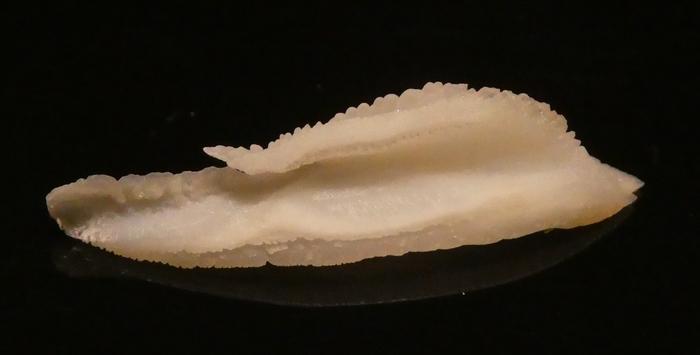
Credit: Professor Clive Trueman
The return of bluefin tuna to Northern European waters is a conservation success story, but rising sea temperatures in their Mediterranean nursery grounds mean this recovery may be short-lived, according to new research led by the University of Southampton.
Temperatures expected in the Mediterranean within the next 50 years are expected to drive juvenile tuna out of the Mediterranean, where they may be accidentally caught in existing sardine and anchovy fisheries – requiring fishery managers to adapt their methods to allow tuna nurseries to establish.
Outlining the research, published in Nature, lead author Clive Trueman, Professor of Geochemical Ecology at the University of Southampton, said: “We have found that anything over 28 degrees Celsius will adversely impact bluefins’ growth. Drawing on compilations of global climate model projections, we show that most of the Mediterranean Sea will exceed that 28 degree threshold within 50 years under current predictions of climate change, making it too warm for juvenile bluefin. We would, therefore, expect the tuna to move their nursery areas, potentially into the Bay of Biscay or other cooler regions – which would place juvenile tuna within existing fisheries for species like anchovy and sardine.”
Bluefin spawn on both sides of the Atlantic Ocean, and fish typically return to their nursery area for spawning. Eastern Atlantic bluefin spend their first year in the Mediterranean. When they are approximately one year old and mature enough to regulate their body temperature, they go out into the Atlantic, sometimes crossing the Atlantic ocean searching for small prey fish like sardines, herring and mackerel, returning to the Mediterranean to spawn.
To discover the cut-off temperature for bluefins to thrive, the international research team – which comprised scientists from eight countries, including the British Antarctic Survey and the AZTI science and technology centre in Spain – used a pioneering method of analysing a tissue called the otolith. The otolith, found behind the brains of bony fish, has long been used reveal a fish’s age, but the new research used the chemistry of tuna otoliths to measure the pace of life of bluefin tuna.
Professor Trueman, who pioneered the otolith decoding method, explained: “All fish have a stony tissue in their ear called an otolith, or ‘ear stone’, which enables them to perceive noise and to balance. Our new work uses variations in the levels of natural stable isotopes of carbon and oxygen in the otolith to reveal each tuna’s individual metabolic rate. This can tell us when waters are getting too hot for the fish to handle -it’s like a natural fitness tracker.”
Bluefins are the largest tuna, at up to three metres long, and one of the fastest, most powerful fish in the sea, capable of leaping out of the water at 43 miles per hour. They are also highly valuable, selling for thousands of pounds for their meat, a delicacy in sushi and sashimi.
ENDS
Journal
Nature
DOI
10.1038/s41467-023-41930-2
Article Title
Thermal sensitivity of field metabolic rate predicts differential futures for bluefin tuna juveniles across the Atlantic Ocean
Article Publication Date
27-Nov-2023