


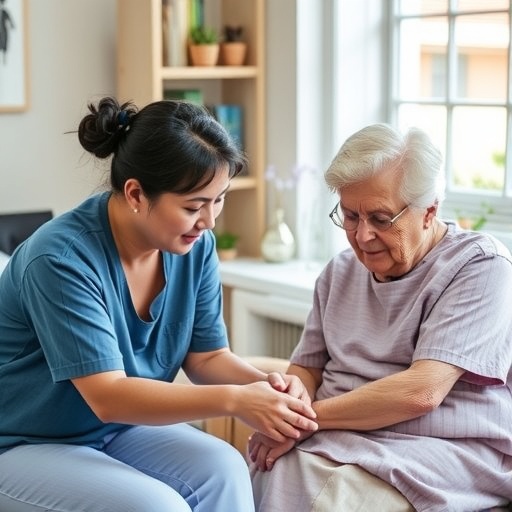
In an era where the aging population poses significant challenges to healthcare systems worldwide, there is a growing emphasis on the need for improved communication strategies that prioritize person-centered care. Recent research by Kim, Choi, and Jung delves into this pressing issue, assessing how effective communication can enhance the quality of care for older adults. This study, published in Ageing International, reveals compelling insights into the intricate dynamics of communication in geriatric care, employing a mixed methods analysis to uncover the multifaceted experiences of both caregivers and care recipients.
Effective communication in healthcare is not merely a nicety; it is essential for ensuring that the needs and preferences of older adults are met. The researchers argue that traditional communication methods often overlook the unique challenges faced by this demographic, leading to misunderstandings, dissatisfaction, and ultimately, poor health outcomes. Through their analysis, Kim, Choi, and Jung seek to identify strategies that can bridge these gaps, fostering an environment where older adults feel heard and understood.
At the heart of the study is the concept of person-centered care, which emphasizes the preferences, needs, and values of the individual rather than a one-size-fits-all approach. The authors highlight that person-centered communication goes beyond mere information exchange; it encompasses empathy, active listening, and an awareness of the socio-cultural backgrounds of patients. Such nuances are not always prominent in traditional healthcare models, and this shift towards person-centered approaches represents a pivotal change in geriatric care practices.
The research utilizes a mixed methods design, combining qualitative and quantitative data to paint a comprehensive picture of communication dynamics in care settings. This approach allows for a nuanced understanding of the subjective experiences of both care providers and recipients. Interviews with older adults and their caregivers yield rich narratives that underscore the importance of personalized interactions. These stories reveal how simple adjustments in communication styles can significantly alter the caregiving experience.
Furthermore, the quantitative analysis supplements these qualitative insights by providing measurable evidence of the impact of communication strategies on health outcomes. By employing validated assessment tools, the researchers establish a clear link between effective communication and improved satisfaction rates among older adults. This evidence can inform training programs for healthcare providers, equipping them with the skills necessary to engage in meaningful dialogue with their patients.
As the healthcare landscape evolves, integrating technology into communication practices offers both opportunities and challenges. The study acknowledges the dual-edged nature of technology in geriatric care. While telehealth and electronic health records have the potential to streamline communication, they can also inadvertently contribute to a depersonalized experience if not implemented thoughtfully. The authors stress the importance of balancing technological advancements with the fundamental principles of person-centered care.
One notable finding of the study is the role of cultural competence in communication. As societies become increasingly diverse, understanding the cultural contexts of older adults is crucial for delivering effective care. The researchers found that caregivers who demonstrated cultural sensitivity were better able to establish trust and rapport with their patients. This aspect of care not only enhances the caregiving experience but also plays a critical role in adherence to medical advice and treatment plans.
The implications of this research extend beyond individual interactions; they have the potential to reshape institutional policies and practices in healthcare settings. By advocating for communication training that emphasizes person-centered approaches, healthcare organizations can foster environments that prioritize the dignity and autonomy of older adults. This shift not only benefits patients but also enhances job satisfaction for caregivers, creating a more positive and engaging workplace culture.
In the broader context of public health, the findings of this study resonate with initiatives aimed at improving geriatric care systems. Policymakers and healthcare leaders are encouraged to take note of the evidence presented by Kim, Choi, and Jung, as it highlights the urgent need for reforms that prioritize communication as a cornerstone of quality care. This approach aligns with the global movement towards age-friendly health systems, which advocate for comprehensive strategies that cater to the needs of older adults.
The study also sheds light on the emotional and psychological aspects of caregiving. Effective communication can alleviate feelings of isolation and anxiety that many older adults experience. By engaging in meaningful conversations, caregivers can provide not only medical support but also emotional reassurance, thereby enhancing the overall well-being of their patients. This holistic approach is particularly critical in addressing the mental health challenges that often accompany aging.
Moreover, the research emphasizes the importance of feedback mechanisms in communication. Encouraging older adults to voice their preferences and concerns creates a feedback loop that can guide caregiving practices. This iterative process not only improves individual care plans but also fosters a culture of continuous improvement within healthcare settings. The authors propose that establishing regular check-ins and feedback opportunities can empower older adults, ensuring that their voices are integral to their care journey.
As the study concludes, it calls for a collective effort from all stakeholders in the healthcare ecosystem. From policymakers to practitioners, the responsibility of fostering effective communication lies with everyone. By championing person-centered care principles and investing in communication training, the healthcare community can cultivate an environment where older adults receive the respect, dignity, and attention they deserve.
The insights from Kim, Choi, and Jung’s research provide a critical foundation for future studies aimed at exploring the intersections of communication, person-centered care, and geriatric health outcomes. As we look toward an increasingly aged population, understanding and improving communication strategies will be paramount for ensuring the health and happiness of older adults. This research not only serves as a clarion call for immediate changes in practice but also inspires ongoing discourse around the ethics and methodologies of care in aging populations.
Subject of Research: Communication Assessment in Person-Centered Care
Article Title: Communication Assessment Based on Person-Centered Care: Mixed Methods Analysis
Article References:
Kim, D., Choi, H. & Jung, Sy. Communication Assessment Based on Person-Centered Care: Mixed Methods Analysis.
Ageing Int 50, 33 (2025). https://doi.org/10.1007/s12126-025-09608-w
Image Credits: AI Generated
DOI:
Keywords: Person-centered care, communication, geriatric health, mixed methods analysis, healthcare innovation.
Tags: aging population healthcare challengesbridging gaps in healthcare communicationchallenges in healthcare communicationeffective communication strategies for seniorsenhancing quality of care for older adultsimproving caregiver and care recipient interactionsmixed methods study in geriatric careperson-centered care principlesperson-centered communication in healthcarepreferences and values in elderly careresearch on aging and communication dynamicsunderstanding older adults’ communication needs



