• HOME
  • NEWS
  • EXPLORE
    • CAREER
      • Companies
      • Jobs
    • EVENTS
    • iGEM
      • News
      • Team
    • PHOTOS
    • VIDEO
    • WIKI
  • BLOG
  • COMMUNITY
    • FACEBOOK
    • INSTAGRAM
    • TWITTER
Friday, August 21, 2026
BIOENGINEER.ORG
No Result
View All Result
  • Login
  • HOME
  • NEWS
  • EXPLORE
    • CAREER
      • Companies
      • Jobs
        • Lecturer
        • PhD Studentship
        • Postdoc
        • Research Assistant
    • EVENTS
    • iGEM
      • News
      • Team
    • PHOTOS
    • VIDEO
    • WIKI
  • BLOG
  • COMMUNITY
    • FACEBOOK
    • INSTAGRAM
    • TWITTER
  • HOME
  • NEWS
  • EXPLORE
    • CAREER
      • Companies
      • Jobs
        • Lecturer
        • PhD Studentship
        • Postdoc
        • Research Assistant
    • EVENTS
    • iGEM
      • News
      • Team
    • PHOTOS
    • VIDEO
    • WIKI
  • BLOG
  • COMMUNITY
    • FACEBOOK
    • INSTAGRAM
    • TWITTER
No Result
View All Result
Bioengineer.org
No Result
View All Result
Home NEWS Science News Biology

People who go to bed late have less control over OCD symptoms

Bioengineer by Bioengineer
June 20, 2017
in Biology
Reading Time: 2 mins read
0
Share on FacebookShare on TwitterShare on LinkedinShare on RedditShare on Telegram
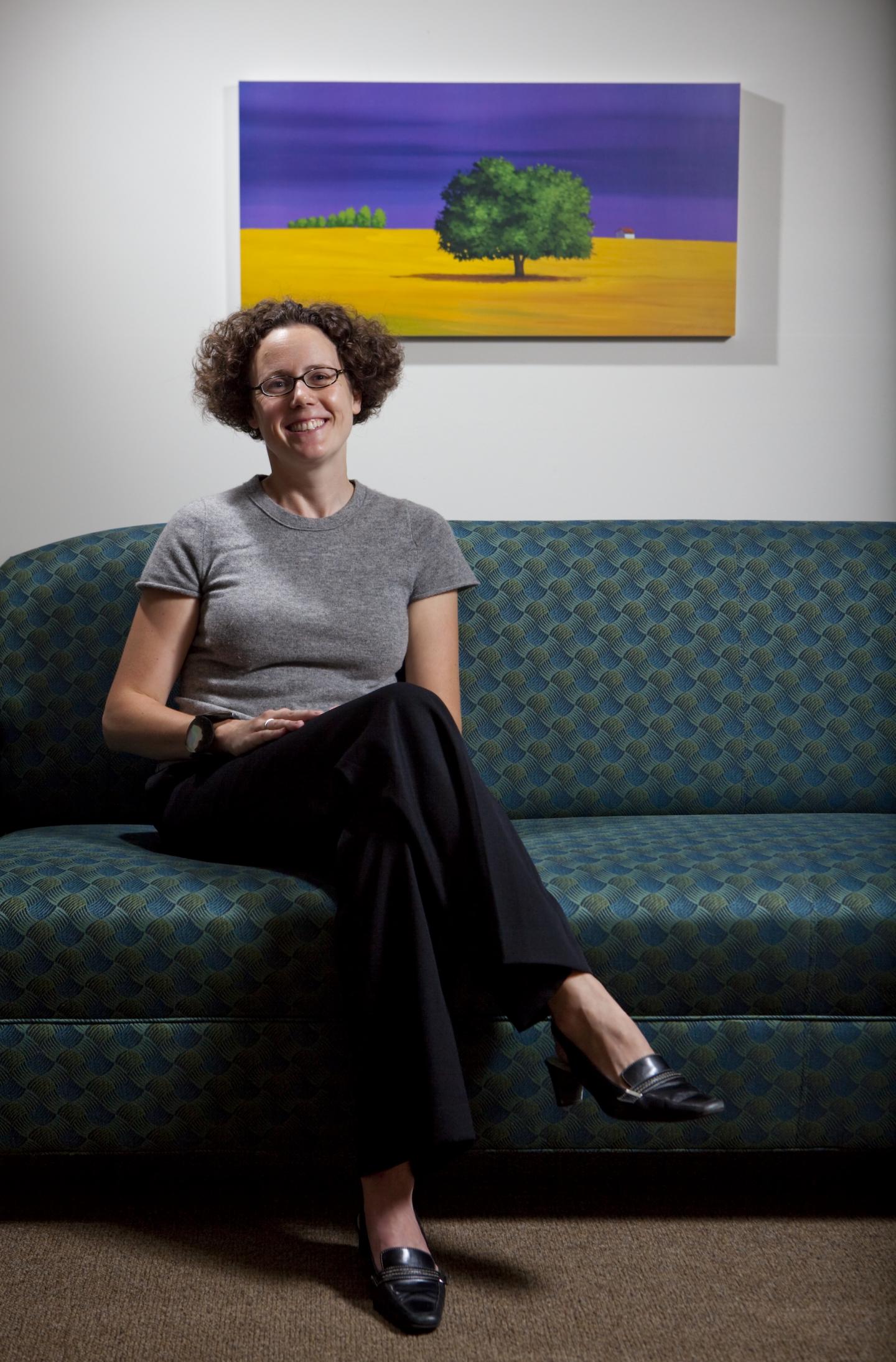
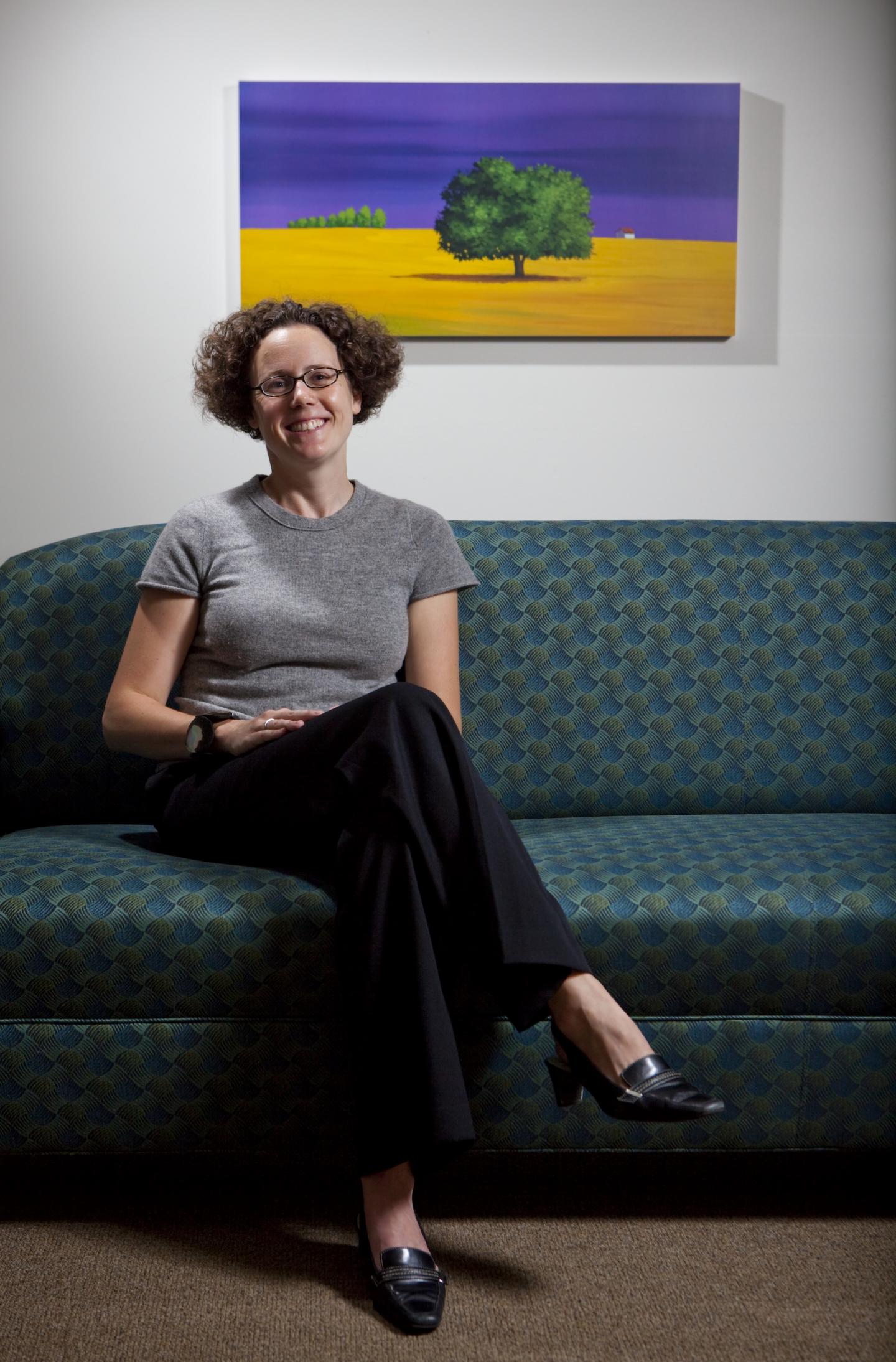
IMAGE

Credit: Binghamton University, State University of New York

BINGHAMTON, NY – A late bedtime is associated with lower perceived control of obsessive thoughts, according to new research from Binghamton University, State University of New York.

Binghamton University Professor of Psychology Meredith E. Coles and former graduate student Jessica Schubert (now at University of Michigan Medical School) monitored twenty individuals diagnosed with OCD and ten individuals endorsing subthreshold OCD symptoms during one week of sleep. Participants completed sleep diaries and daily ratings of perceived degree of control over obsessive thoughts and ritualized behaviors. The researchers found that previous night's bedtime significantly predicted participants' perceived ability to control their obsessive thoughts and compulsive behavior on the subsequent day.

"We're really interested in how this kind of unusual timing of sleep might affect cognitive functioning," said Schubert. "One possibility is impulse control. It might be that something about shifting the timing of your sleep might reduce your ability to control your thoughts and your behaviors, so it might make it more likely that you're going to have a hard time dismissing intrusive thoughts characteristic of obsessions, and it might make it more difficult for you to refrain from compulsive behaviors that are designed to reduce the anxiety caused by obsessive thoughts."

On average participants in the study went to bed around 12:30 at night. Patients who met criteria for delayed sleep phase disorder, about 40% of the sample, went to bed around 3 a.m.

"I always knew you were supposed to get eight hours of sleep, but I was never told it matters when you do it," said Coles. "It's been striking to me that this difference seems to be very specific to the circadian component of when you sleep. That we find that there are specific negative consequences of sleeping at the wrong times, that's something to educate the public about."

The researchers are interested in exploring this phenomenon further. Coles plans on collecting pilot data using lightboxes to shift people's bedtimes. "It's one of our first efforts to actually shift their bedtimes and see if it reduces their OCD symptoms, and if this improves their ability to resist those intrusive thoughts and not develop compulsions in response to them."

###

The paper, "Later bedtime is associated with decrements in perceived control of obsessions and compulsions," was presented at the 31st Annual Meeting of the Associated Professional Sleep Societies.

Media Contact

Meredith Coles
[email protected]
607-777-4710
@binghamtonu

http://www.binghamton.edu

Related Journal Article

http://dx.doi.org/10.1093/sleepj/zsx050.1127

############

Story Source: Materials provided by Scienmag

Share12Tweet8Share2ShareShareShare2

Related Posts

Younger lung cancer patients more likely to harbor targetable mutations, study finds

Younger lung cancer patients more likely to harbor targetable mutations, study finds

August 20, 2026
Brain activity shifts when different generations create together

Brain activity shifts when different generations create together

August 20, 2026

Correction: Non-native invasive trees abound in neotropical secondary forests, declining over time

August 20, 2026

Brain organoids survive and mature for more than five years

August 20, 2026
Please login to join discussion

POPULAR NEWS

  • Brain barriers shape immune surveillance and immunotherapy responses in glioma

    29 shares
    Share 12 Tweet 7
  • McGill researchers devise efficient method to flag AI responses needing human review

    29 shares
    Share 12 Tweet 7
  • Mapping gene and epigenetic changes that make undead cancer cells promote inflammation

    29 shares
    Share 12 Tweet 7
  • New study explains how RNA droplets may have helped start life

    29 shares
    Share 12 Tweet 7

About

We bring you the latest biotechnology news from best research centers and universities around the world. Check our website.

Follow us

Recent News

Brain barriers shape immune surveillance and immunotherapy responses in glioma

McGill researchers devise efficient method to flag AI responses needing human review

Mapping gene and epigenetic changes that make undead cancer cells promote inflammation

Subscribe to Blog via Email

Success! An email was just sent to confirm your subscription. Please find the email now and click 'Confirm' to start subscribing.

Join 85 other subscribers
  • Contact Us

Bioengineer.org © Copyright 2023 All Rights Reserved.

Welcome Back!

Login to your account below

Forgotten Password?

Retrieve your password

Please enter your username or email address to reset your password.

Log In
No Result
View All Result
  • Homepages
    • Home Page 1
    • Home Page 2
  • News
  • National
  • Business
  • Health
  • Lifestyle
  • Science

Bioengineer.org © Copyright 2023 All Rights Reserved.