Chronic pain and opioid problems rarely travel alone, yet the medical system usually forces patients to deal with them one at a time. A new qualitative study published in the Journal of General Internal Medicine offers a detailed map of why that separation fails, drawing on in-depth interviews with 31 patients who live with both chronic pain and opioid use disorder or opioid misuse, and 15 clinicians and clinic staff who treat them in primary care settings across southwestern Pennsylvania and northern West Virginia. The interviews were not designed to test a treatment. Instead, they were designed to listen, and what the researchers heard is now being used to reshape a behavioral therapy called pain self-management into a form that fits this uniquely difficult population.
The scale of the overlap between these conditions is striking. Chronic pain, defined as pain lasting more than three months, affects roughly 24 percent of adults and is one of the most common reasons people seek medical care. Opioid use disorder involves a problematic pattern of opioid use despite harmful consequences, while opioid misuse means taking opioids in a way other than prescribed. Up to 25 percent of people prescribed opioids develop misuse, about 8 percent develop full opioid use disorder, and approximately 64 percent of patients with opioid misuse or use disorder also live with chronic pain. The relationship runs in both directions: opioids can dull pain in the short term, but prolonged use can worsen pain, mood, and quality of life over time, a phenomenon researchers have described as complex persistent opioid dependence or opioid-induced chronic pain syndrome.
Pain self-management, the intervention at the center of the study, is a well-studied, manualized behavioral approach grounded in Social Cognitive Theory and related to cognitive behavioral therapy. Rather than targeting pain intensity directly, it changes how patients respond to pain, their emotions, thoughts, and behaviors, which has been shown to improve outcomes in conditions such as low back pain and fibromyalgia. A typical program runs six to twelve sessions covering physical activity, sleep, mood, challenging catastrophic thinking about pain, and communicating with others. It is recommended as a first-line treatment for chronic pain, yet it remains scarce in primary care, and it had never been adapted for patients with co-occurring chronic pain and opioid misuse or use disorder in that setting.
The research team, led by investigators at the University of Pittsburgh and West Virginia University, recruited participants over 13 months, from August 2022 to September 2023, at four primary care clinics. Patients had to be at least 18 years old, meet criteria for opioid use disorder or misuse through screening tools, diagnostic interviews, treatment status, or documented history, and report high-impact or bothersome chronic pain on the Graded Chronic Pain Scale-Revised. Patients with cancer-related pain were excluded. Interviews were conducted mostly by telephone, transcribed verbatim, and analyzed with an inductively developed codebook, conventional content analysis, and thematic analysis, with the team drawing on the Health Equity Implementation Framework to probe experiences of discrimination in healthcare.
The first major theme concerned the risks of long-term opioid therapy, and it revealed a deep split in how patients understand addiction. All patient participants had experience with prescribed long-term opioids, and nearly all expressed concern about the addictive nature of the medication. Some described rising tolerance, wanting doses more often than recommended, or irritability when a dose was late, experiences concerning enough that they approached their prescriber and, in many cases, received buprenorphine instead. But others framed addiction as a matter of self-control or willpower, believing their own discipline would protect them, or viewing physical dependence as a reasonable price to pay for pain relief as long as no illegal activity was involved. Many did not self-identify as having opioid use disorder at all, even while describing its features.
The second theme was perhaps the most raw: patients said their pain was routinely dismissed. Nearly every patient interview contained at least one example of a physician disbelieving or ignoring their pain, most often in the emergency department, where no prior relationship existed. Patients with any documented history of substance use said they were frequently treated as drug-seeking regardless of the complaint that brought them in, even when they explicitly said they were not seeking pain medication. Some described being abruptly cut off from opioids entirely, left with worsening pain and withdrawal and no medical support, experiences that can raise the risk of mental health crises, suicide, and illicit substance use. Patients said physicians needed to listen to reported pain levels and include them in decisions about management.
A third theme centered on self-efficacy, the belief in one’s own ability to manage pain. About half of the patients reported believing that chronic pain simply could not be managed, that nothing meaningful could be done beyond medication. Yet this fatalism coexisted with striking openness: most participants were willing to try new treatments, reasoning that what failed for one person might work for another. A minority remained skeptical of talking about pain as a treatment, and buprenorphine drew mixed reactions, sometimes from patients who had bad reactions to it, sometimes from those who feared side effects or feeling high. Notably, patients already taking buprenorphine often reported it did help their pain, and some who had tried non-drug approaches while in opioid treatment said they would not have believed such methods could work.
Clinicians and staff painted a picture from the other side of the exam room. They described these patients as challenging to treat, noting that they perceive pain more acutely, have high opioid tolerance, and often want immediate fixes that do not exist. Stigma surfaced here too: some providers described patients as drug-seeking, manipulative, or lying about pain, echoing the dismissal patients reported. But other clinicians described the same challenges without stigma, focusing on the limits of available treatments and consciously monitoring their own body language and tone to avoid signaling judgment. They also emphasized what the researchers call the social determinants of pain, that poverty, food insecurity, unstable housing, and lack of transportation undermine both pain management and recovery, and that trauma, depression, and anxiety intertwine with physical pain in ways that behavioral treatment must anticipate.
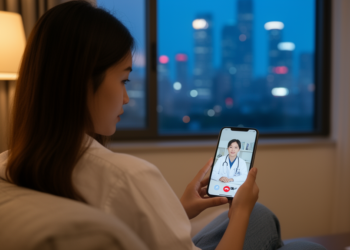
These findings translated directly into a redesigned intervention now being tested in a randomized controlled trial registered with NIH. The original program, developed for people with chronic pain and HIV, used six peer-led group sessions and six individual sessions delivered by telehealth. Based on the interviews, the team made four changes. They moved to ten one-hour individual sessions to personalize care and give patients comfort discussing opioid use. They added a module called Navigating Conversations about Opioids, built on motivational interviewing, which elicits each patient’s experiences with opioids, assesses willingness to change, and provides evidence-based education about buprenorphine as a safer alternative. They added a module on Communicating with Healthcare Providers, teaching patients to prepare for appointments, use I-statements, and advocate for themselves. And they expanded the Thinking Differently About Your Pain module with cognitive restructuring exercises targeting low pain self-efficacy, which prior research links to mood and social difficulties and whose improvement during treatment is associated with better pain and psychological outcomes.
Interventionist training was reshaped as well, reflecting the trauma histories and stigma that pervaded both patient and clinician accounts. Interventionists learned to respond nonjudgmentally when patients disclosed negative experiences, to use active listening and validation, and to adapt relaxation exercises if trauma symptoms interfered, for example by having patients open their eyes or practice grounding techniques that engage the five senses. The researchers caution that their sample was geographically limited to southwestern Pennsylvania and northern West Virginia, regions heavily affected by the opioid epidemic, so the findings may not generalize everywhere, though the inclusion of suburban and rural communities matters because those patients often lack access to comprehensive pain centers and depend on primary care. Whether the tailored program actually improves pain and related outcomes will be answered by the ongoing randomized controlled trial, but the qualitative work has already done its job: it identified the specific barriers, from stigma and dismissed pain to low self-efficacy and unmet basic needs, that any behavioral treatment for this population must address.
Subject of Research: Tailoring pain self-management for patients with co-occurring chronic pain and opioid use disorder or misuse in primary care
Article Title: Tailoring Pain Self‑management for Chronic Pain and Opioid Use Disorder: Qualitative Insights from Patients and Clinicians
Article References: Evington, E. J., Winstanley, E. L., Salay, M., de Abril Cameron, F., Alexander, L., Nash, S., Choo, L. Y., Edwards, K. A., Emerson, R., Debi, P., Merlin, J. S., & Hamm, M. (2026). Tailoring Pain Self‑management for Chronic Pain and Opioid Use Disorder: Qualitative Insights from Patients and Clinicians. Journal of General Internal Medicine. https://doi.org/10.1007/s11606-026-10927-0
Image Credits: AI Generated
DOI: 10.1007/s11606-026-10927-0
Keywords: chronic pain, opioid use disorder, opioid misuse, pain self-management, primary care, buprenorphine, qualitative research, stigma, self-efficacy, social determinants of health, behavioral intervention, telehealth
News Source: Ophelia Keating. (October 26, 2026). Patients and Clinicians Reveal How to Rebuild Pain Therapy for Opioid Use Disorder. Scienmag.