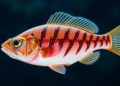
Angling, a type of fishing, is a popular pastime across the world, and is known to be 40,000 years old. Angling usually takes place in natural bodies of water, which may have populations of wild fish, or be stocked with cultured fish. Fish caught by angling may either be consumed, or may be immediately released.
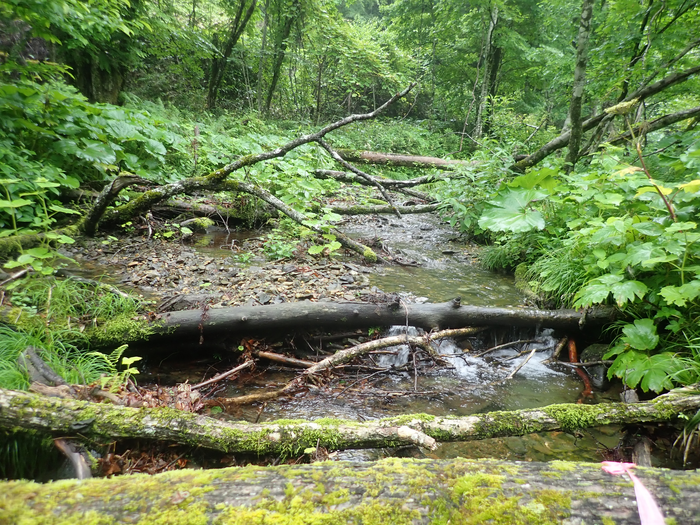
Credit: Ryota Hasegawa
Angling, a type of fishing, is a popular pastime across the world, and is known to be 40,000 years old. Angling usually takes place in natural bodies of water, which may have populations of wild fish, or be stocked with cultured fish. Fish caught by angling may either be consumed, or may be immediately released.
Parasites are very common in nature, found everywhere that their hosts are found. Parasites are known to alter the susceptibility of fish to predators. Angling can be considered predation of fish; however, there has been almost no in-depth research on how parasites affect the susceptibility of fish to angling.
Associate Professor Itsuro Koizumi at the Faculty of Environmental Earth Science, Hokkaido University, and graduate student Ryota Hasegawa have investigated how a mouth and gill parasite of the whitespotted char, a salmonid fish, affects its vulnerability to angling. Their findings were published in the journal The Science of Nature.
“We performed a field survey in a tributary of the Ito River in Hakodate, Hokkaido,” Hasegawa explained. “The study area was selected for three reasons: we knew that the parasite was common in the survey area; the char population was geographically confined to the study area; and the study area is part of a year-round protected freshwater area, meaning that the fish had not previously been exposed to angling which could affect their behavior.”
The study considered two parameters: the body condition of the fish (a relationship between their body mass and body length) and their parasite infection status (whether the fish was infected with parasites or not). Fish were caught by angling and by electrofishing, and the numbers of fish under each category were compared.
Two specific groups of char were most vulnerable to angling: those that had a high body condition and also had parasites, and those that had a low body condition but no parasites. Larger fish were more vulnerable to angling.
“Our findings regarding the vulnerability of the char to angling could be explained by the interaction of behavior and infection status,” Koizumi elaborated. “As parasites negatively affect the body condition of fish in general, those with low body condition and parasites are outcompeted by those with high body condition—and so are less likely to catch the angling bait. Separately, those with high body condition and parasites exhibit a higher vulnerability to angling, as their behavior drives them to consume more sustenance to offset the effects of the parasites.”
A survey of tweets curated from Twitter covering a three-year period was also conducted. Both anglers and customers at fish markets reacted negatively to parasites. The negative reaction to parasites by anglers is important, as they are more likely to release infected fish back into the wild. This increases the likelihood that parasitized fish are more common in areas that experience high amounts of angling.
“Our study shows that both parasites and body condition are important considerations in angling, and studies of behavioral responses of the char induced by human angling activities must take these criteria into account,” Hasegawa concluded. “Additionally, the reaction to parasites in fish angling might result in the increase of both host and parasite survival.”
Journal
The Science of Nature
DOI
10.1007/s00114-023-01836-x
Method of Research
Observational study
Subject of Research
Animals
Article Title
Parasites either reduce or increase host vulnerability to fishing: a case study of a parasitic copepod and its salmonid host
Article Publication Date
21-Feb-2023