• HOME
  • NEWS
  • EXPLORE
    • CAREER
      • Companies
      • Jobs
    • EVENTS
    • iGEM
      • News
      • Team
    • PHOTOS
    • VIDEO
    • WIKI
  • BLOG
  • COMMUNITY
    • FACEBOOK
    • INSTAGRAM
    • TWITTER
Friday, November 20, 2026
BIOENGINEER.ORG
No Result
View All Result
  • Login
  • HOME
  • NEWS
  • EXPLORE
    • CAREER
      • Companies
      • Jobs
        • Lecturer
        • PhD Studentship
        • Postdoc
        • Research Assistant
    • EVENTS
    • iGEM
      • News
      • Team
    • PHOTOS
    • VIDEO
    • WIKI
  • BLOG
  • COMMUNITY
    • FACEBOOK
    • INSTAGRAM
    • TWITTER
No Result
View All Result
Bioengineer.org
No Result
View All Result
Home NEWS Science News Health

Pancreatic Microenvironment Reprogramming Drives Transition from Acute to Chronic Disease

by
November 20, 2026
in Health
Reading Time: 2 mins read
0
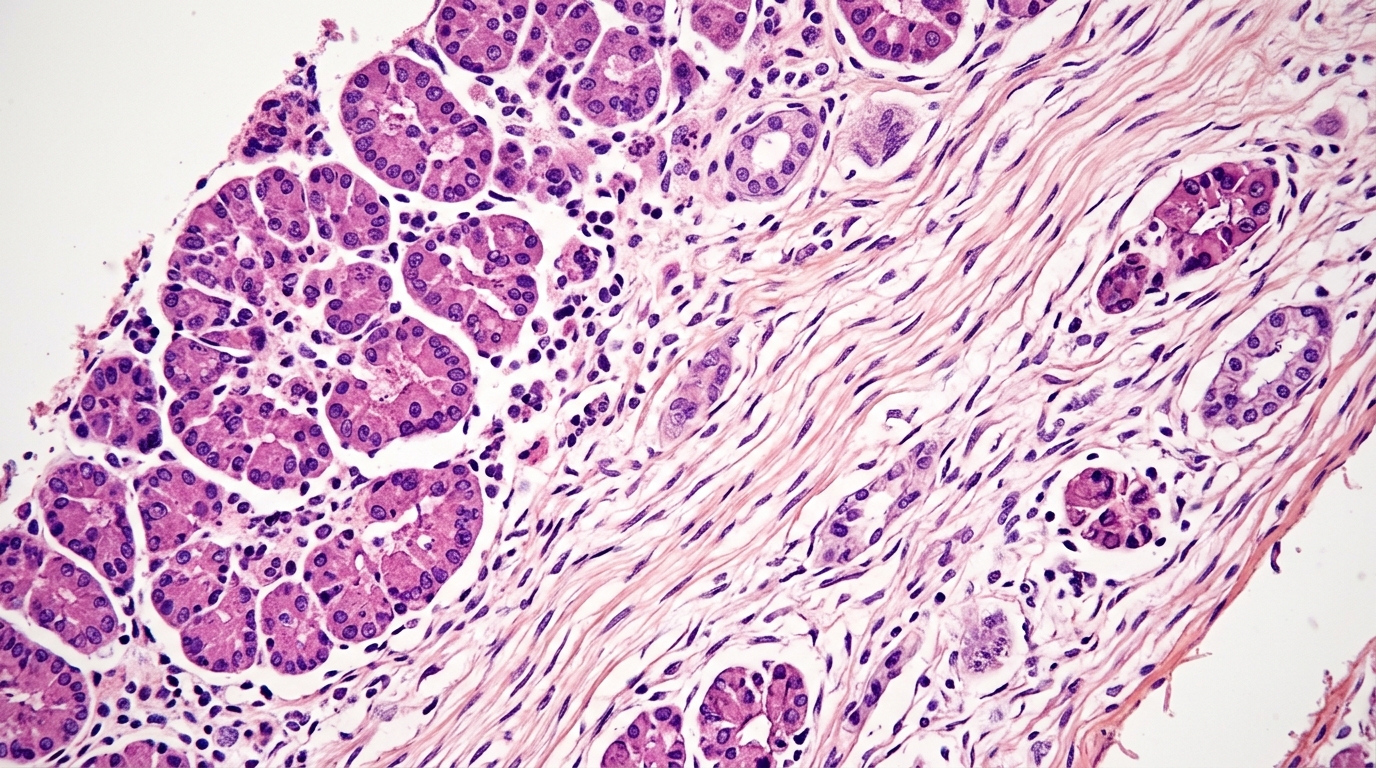
Pancreatic Microenvironment Reprogramming Drives Transition from Acute to Chronic Disease

Pancreatic Microenvironment Reprogramming Drives Transition from Acute to Chronic Disease

Share on FacebookShare on TwitterShare on LinkedinShare on RedditShare on Telegram

A new scientific review published in Clinical and Experimental Medicine examines how reprogramming within the pancreatic microenvironment drives the clinical progression from acute pancreatitis to chronic pancreatitis. Acute pancreatitis represents a frequent digestive emergency, and a subset of individuals who suffer recurrent episodes of pancreatic injury eventually develop chronic disease. Rather than treating these clinical presentations as detached disorders, contemporary medical models increasingly define acute and chronic pancreatitis as a continuous dynamic disease trajectory.

The transition between acute and chronic states results in persistent exocrine and endocrine dysfunction alongside a notably elevated risk of developing pancreatic cancer. Despite the clinical burden of these progressive conditions, the cellular and molecular mechanisms that govern how initial acute injury shifts toward permanent chronic disease remain incompletely understood. Researchers emphasize that microenvironmental shifts dictate whether injured pancreatic tissue manages to heal or instead undergoes persistent, destructive deterioration.

To clarify this progression, investigators summarized evidence surrounding key alterations occurring across both cellular and non-cellular components within the tissue. Phenotypic and functional modifications take place across acinar cells, ductal cells, infiltrating immune cells, and pancreatic stellate cells. These cellular units operate inside a complex non-cellular environment populated by soluble mediators, an evolving extracellular matrix, and local microvascular networks that dynamically alter tissue architecture.

The review highlights bidirectional crosstalk and self-perpetuating feedback loops formed between the altered cells and their non-cellular matrix. These ongoing interactions ultimately determine whether transient acute tissue damage resolves into normal tissue homeostasis or advances toward irreversible chronic fibrosis. A detailed explanation of these integrated mechanisms provides promising therapeutic targets designed to interrupt chronic progression before permanent structural damage occurs.

Subject of Research: Pancreatic microenvironment remodeling during the transition from acute to chronic pancreatitis

Article Title: Pancreatic microenvironment remodeling in AP-CP transition: an integrative perspective

Article References: Yang, Z., Zhang, K., Chen, J., Duan, C., Liu, J., & Han, C. (2026). Pancreatic microenvironment remodeling in AP-CP transition: an integrative perspective. Clinical and Experimental Medicine. https://doi.org/10.1007/s10238-026-02398-8

Image Credits: AI Generated

DOI: 10.1007/s10238-026-02398-8

Keywords: acute pancreatitis, chronic pancreatitis, pancreatic microenvironment, pancreatic stellate cells, acinar cells, ductal cells, immune cells, extracellular matrix, microvascular networks, tissue fibrosis, pancreatic cancer risk, digestive disease, tissue homeostasis, recurrent injury, soluble mediators

News Source: Ophelia Keating. (November 20, 2026). Pancreatic Microenvironment Reprogramming Drives Transition from Acute to Chronic Disease. Scienmag.
Tags: acinar cellsacute pancreatitischronic pancreatitisdigestive diseaseductal cellsextracellular matriximmune cellsmicrovascular networkspancreatic cancer riskpancreatic microenvironmentpancreatic stellate cellsrecurrent injurysoluble mediatorstissue fibrosistissue homeostasis
Share12Tweet7Share2ShareShareShare1

Related Posts

Severe COVID-19 Alters Hepatic Autophagy Markers Despite Absent Hepatocyte ACE2 Receptors

Severe COVID-19 Alters Hepatic Autophagy Markers Despite Absent Hepatocyte ACE2 Receptors

November 20, 2026
Review Finds Limited Evidence That Decontamination Restores Bone-to-Implant Contact

Review Finds Limited Evidence That Decontamination Restores Bone-to-Implant Contact

November 20, 2026

Computational Screening and Cell Tests Link Rhodiola Compound to Lung Cancer Suppression

November 20, 2026

Bivalent RSVpreF Vaccine Protects Older Adults Against Severe Disease Across Three Seasons

November 20, 2026

POPULAR NEWS

  • Astrocytic GFAP Upregulation Reduces Tau Pathology in Mouse Model of Tauopathy

    Astrocytic GFAP Upregulation Reduces Tau Pathology in Mouse Model of Tauopathy

    29 shares
    Share 12 Tweet 7
  • Acidic Ponds Link to Lower Pathogen Prevalence in Palmate Newts

    29 shares
    Share 12 Tweet 7
  • Early YAP and Beta-Catenin Signaling Links Stomach Infection to Liver Colonization

    29 shares
    Share 12 Tweet 7
  • Cold Storage Preserves Peach Firmness by Triggering RNA Degradation of Expansin Transcripts

    29 shares
    Share 12 Tweet 7

About

We bring you the latest biotechnology news from best research centers and universities around the world. Check our website.

Follow us

Recent News

Severe COVID-19 Alters Hepatic Autophagy Markers Despite Absent Hepatocyte ACE2 Receptors

Review Finds Limited Evidence That Decontamination Restores Bone-to-Implant Contact

Computational Screening and Cell Tests Link Rhodiola Compound to Lung Cancer Suppression

Subscribe to Blog via Email

Enter your email address to subscribe to this blog and receive notifications of new posts by email.

Join 89 other subscribers
  • Contact Us

Bioengineer.org © Copyright 2023 All Rights Reserved.

Welcome Back!

Login to your account below

Forgotten Password?

Retrieve your password

Please enter your username or email address to reset your password.

Log In
No Result
View All Result
  • Homepages
    • Home Page 1
    • Home Page 2
  • News
  • National
  • Business
  • Health
  • Lifestyle
  • Science

Bioengineer.org © Copyright 2023 All Rights Reserved.