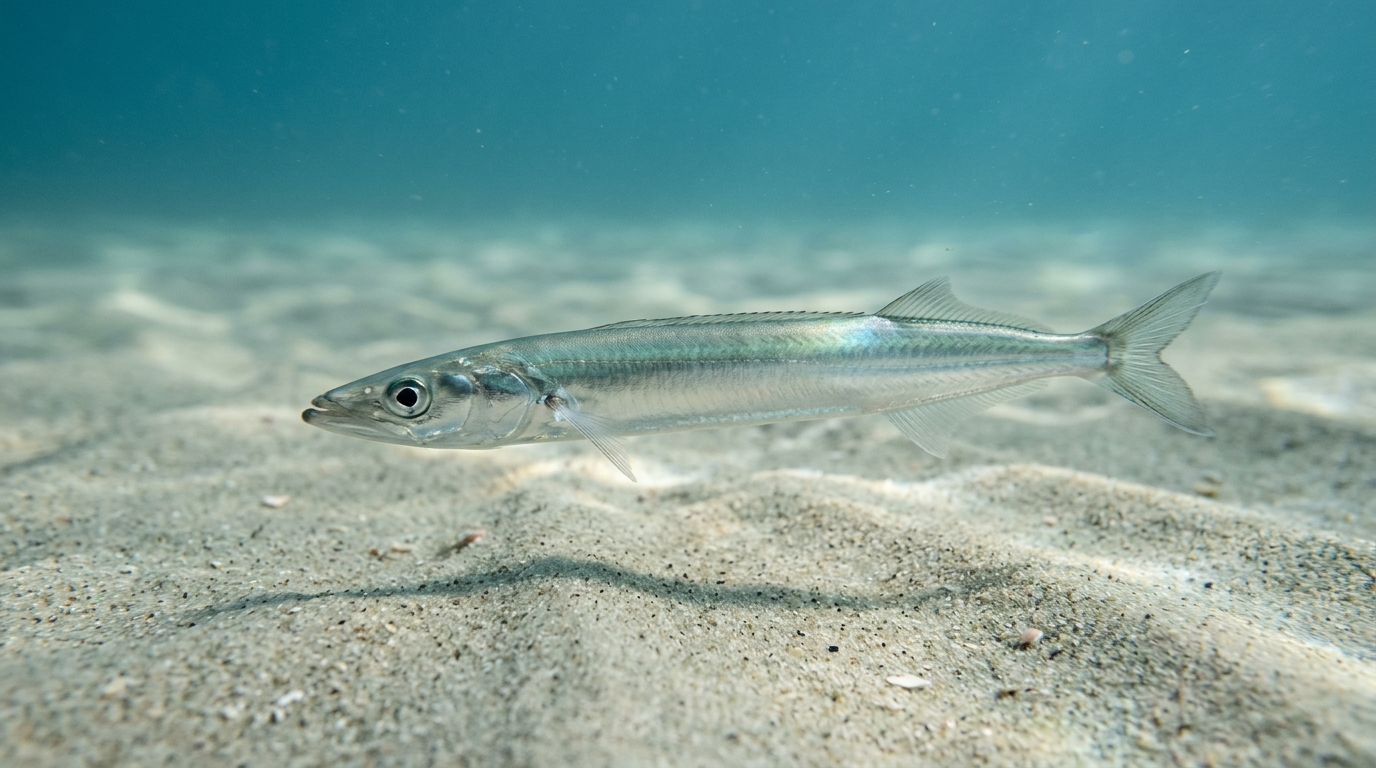
A solid dispersion formulation combining lipids extracted from Pacific sand lance eggs with polyethylene glycol 6000 enhanced several innate and adaptive immune parameters in cyclophosphamide-treated immunosuppressed mice, according to an animal study published in Frontiers in Nutrition. Pacific sand lance, scientifically known as Ammodytes personatus, is a marine fish species belonging to the family Ammodytidae and distributed along the coasts of Korea, Japan, Russia, China, and Alaska. In Ammodytes personatus, total lipids account for 31 to 40 percent of total dry mass, and the fatty acid profile of these egg lipids features a high proportion of polyunsaturated fatty acids reaching 52.22 percent, particularly docosahexaenoic acid and eicosapentaenoic acid, followed by saturated fatty acids at 25 percent and monounsaturated fatty acids at 23 percent. While earlier laboratory experiments had identified immunomodulatory and anti-inflammatory properties of Ammodytes personatus egg lipid extracts in cultured murine RAW 264.7 cells, their biological activities in living animal models had remained undetermined until this in vivo investigation.
Because marine-derived egg lipids are predominantly hydrophobic biomolecules that exhibit poor wettability and limited dispersion in aqueous biological environments, the researchers employed solid dispersion technology to prepare an orally administrable candidate formulation. Solid dispersion involves dispersing a poorly water-soluble bioactive substance within a hydrophilic polymeric carrier to facilitate dissolution and oral intake. For this investigation, polyethylene glycol 6000, designated PEG 6000, was chosen as the hydrophilic carrier due to its favorable melting characteristics for melt-based solid dispersion preparation. The experimental formulation, abbreviated as AP-PEG, was produced by blending freeze-dried and pulverized Ammodytes personatus egg lipid extract with PEG 6000 at a one-to-one weight ratio at 60 degrees Celsius, evaporating residual organic solvents, cooling the residue at minus 20 degrees Celsius for 24 hours, and crushing the material through a 100-mesh sieve to generate a uniform dry powder.
The biological evaluation utilized male BALB/c mice weighing approximately 21 grams, divided into eight experimental groups of five animals each to assess immune responses under chemotherapeutic immunosuppressive stress. The alkylating agent cyclophosphamide, widely used clinically in cancer chemotherapy and autoimmune disease management, was administered intraperitoneally at 80 milligrams per kilogram of body weight on days four through six to induce profound immune suppression across humoral, cellular, and innate defense pathways. Beginning four days prior to cyclophosphamide challenge and continuing for ten consecutive days, mice received daily oral administrations of vehicle, positive controls, carrier control, or the AP-PEG formulation. The three experimental cohorts received AP-PEG at oral dosages of 100, 300, or 500 milligrams per kilogram of body weight, which corresponded directly to Ammodytes personatus lipid doses of 50, 150, and 250 milligrams per kilogram, respectively, alongside an isolated carrier control group receiving 100 milligrams per kilogram of PEG 6000 alone.
Two established immunomodulatory agents served as active reference standards: Korean red ginseng concentrate administered at 100 milligrams per kilogram, containing combined ginsenosides Rg1, Rb1, and Rg3, and the chemical immunostimulant levamisole hydrochloride administered at 40 milligrams per kilogram. Following the ten-day dosing protocol and euthanasia conducted in accordance with veterinary animal care guidelines, comprehensive immunological assays were performed on harvested tissues. At the whole-organ level, cyclophosphamide injection significantly compromised immune homeostasis, causing visible spleen atrophy and a steep reduction in the calculated spleen index, which measures the ratio of excised spleen weight to individual terminal body weight. Oral administration of AP-PEG markedly counteracted this lymphoid organ regression across all three tested dosage levels, restoring spleen size and spleen index values toward those observed in healthy normal control animals.
Splenocyte proliferation assays demonstrated that AP-PEG stimulated both cellular and humoral arms of adaptive immunity following mitogenic challenge. Primary splenocytes harvested from treated animals were stimulated in vitro with concanavalin A, a plant mitogen that selectively activates T lymphocytes, or lipopolysaccharide, an endotoxin that triggers B lymphocyte proliferation. While cyclophosphamide severely impaired proliferative capacity, AP-PEG administration produced statistically significant, dose-varying recoveries in splenocyte viability and growth. Splenocytes isolated from mice treated with the highest AP-PEG dose of 500 milligrams per kilogram exhibited proliferative responses upon concanavalin A and lipopolysaccharide stimulation that equaled or exceeded the proliferation rates observed in both the healthy normal group and the positive control cohorts receiving red ginseng or levamisole.
Natural killer cell cytotoxicity and peritoneal macrophage phagocytic activity, two cornerstone cellular components of innate immunity, were likewise augmented by the marine lipid solid dispersion. Natural killer cell cytotoxic function, quantified by measuring splenocyte-mediated lysis of cultured YAC-1 target cells at an effector-to-target ratio of 50 to 1, dropped significantly following cyclophosphamide injection but rebounded following oral AP-PEG intake. Concurrently, peritoneal macrophages harvested via abdominal lavage and evaluated using a neutral red dye uptake assay displayed notable functional improvements. The cyclophosphamide-induced depression of macrophage endocytosis was overcome by oral AP-PEG administration, with macrophages from the 500 milligram per kilogram cohort demonstrating the greatest mean dye uptake, comparable to levels achieved with standard pharmacological and herbal positive controls.
Flow cytometric characterization of splenic T-lymphocyte subpopulations revealed that AP-PEG corrected chemotherapy-induced imbalances in regulatory and effector cell distributions. Staining splenocyte suspensions with fluorophore-conjugated antibodies against CD3e, CD4, and CD8 demonstrated that cyclophosphamide dramatically depressed the percentage of CD4-positive helper T cells while elevating the proportion of CD8-positive cytotoxic T cells among total CD3-positive T cells, resulting in a severely suppressed CD4 to CD8 ratio. Oral AP-PEG reversed this pathological shift in a dose-responsive manner across all three doses, progressively increasing CD4-positive frequencies and reducing CD8-positive percentages. At the intermediate dose of 300 milligrams per kilogram, both CD8-positive cell percentages and the CD4 to CD8 ratio normalized to baseline healthy control levels, whereas the 500 milligram per kilogram dose elevated the ratio beyond normal control benchmarks.
Analysis of immune-associated gene expression in cultured splenocytes confirmed that AP-PEG stimulated transcriptional activation of critical signaling cytokines. Quantitative real-time reverse transcription polymerase chain reaction assays revealed that intraperitoneal cyclophosphamide significantly downregulated mRNA levels of interleukin-1 beta, interferon-gamma, and tumor necrosis factor-alpha. Daily oral treatment with AP-PEG counteracted this immunosuppressive silencing, driving increases in cytokine gene transcript abundance across the 100, 300, and 500 milligram per kilogram dosage groups. At the two higher dosages of 300 and 500 milligrams per kilogram, splenic expression of these three pro-inflammatory and immunoregulatory cytokine transcripts matched or surpassed the levels measured in both uninjured normal mice and animals receiving active reference treatments.
Carrier control experiments utilizing PEG 6000 alone at 100 milligrams per kilogram indicated that while the hydrophilic polymer matrix exerted modest, parameter-specific effects on splenocyte proliferation and natural killer cell activity, it did not alter several other key immune endpoints. This outcome aligned with previous observations in marine lipid formulations based on polyethylene glycol, indicating that the broader multi-pathway immunomodulation seen with AP-PEG was largely driven by the bioactive lipid fraction. Ammodytes personatus egg lipids are exceptionally abundant in omega-3 polyunsaturated fatty acids such as eicosapentaenoic acid and docosahexaenoic acid, metabolic precursors to anti-inflammatory and pro-resolving lipid mediators including resolvins and protectins, which are well recognized for coordinating leukocyte signaling, cellular membrane fluidity, and immune homeostasis.
The study authors highlighted several methodological limitations that temper broader interpretations and necessitate further research. Because the experiments utilized a modest sample size of five male mice per group, formal dose-response trends could not be statistically established, and the lack of an unformulated Ammodytes personatus lipid-only group alongside precisely dose-matched PEG controls prevented exact quantification of individual component contributions. Furthermore, physical characteristics of the solid dispersion such as particle size and aqueous stability were not profiled, cytokine levels were evaluated solely at the transcript level rather than through protein quantification, and longitudinal body weights and other systemic lymphoid tissues like the thymus were unmeasured. Consequently, while the solid dispersion of Pacific sand lance egg lipids demonstrates clear immune-enhancing activity in mice, expanded preclinical trials with comprehensive formulation controls are required to confirm its therapeutic relevance.
Subject of Research: Immunomodulatory effects of Ammodytes personatus egg lipid solid dispersion in immunosuppressed mice
Article Title: Immune-enhancing effects of lipid extracts from Ammodytes personatus eggs in cyclophosphamide-induced immunosuppressed mice
Article References: Choi, J., Baek, N. J., Mashurabad, P. C., Song, M. R., Son, S. H., & Park, W. J. (2026). Immune-enhancing effects of lipid extracts from Ammodytes personatus eggs in cyclophosphamide-induced immunosuppressed mice. Frontiers in Nutrition, 13, Article 2005087. https://doi.org/10.3389/fnut.2026.2005087
Image Credits: AI Generated
DOI: 10.3389/fnut.2026.2005087
Keywords: Ammodytes personatus, Pacific sand lance, marine egg lipids, polyunsaturated fatty acids, docosahexaenoic acid, eicosapentaenoic acid, solid dispersion, polyethylene glycol 6000, cyclophosphamide, immunosuppression, spleen index, macrophage phagocytosis, splenocyte proliferation, natural killer cells, T-lymphocyte subsets, cytokine gene expression, interferon gamma, tumor necrosis factor alpha
News Source: Juliet Wilcox. (November 28, 2026). Pacific Sand Lance Egg Lipid Solid Dispersion Boosts Immune Parameters in Mice. Scienmag.