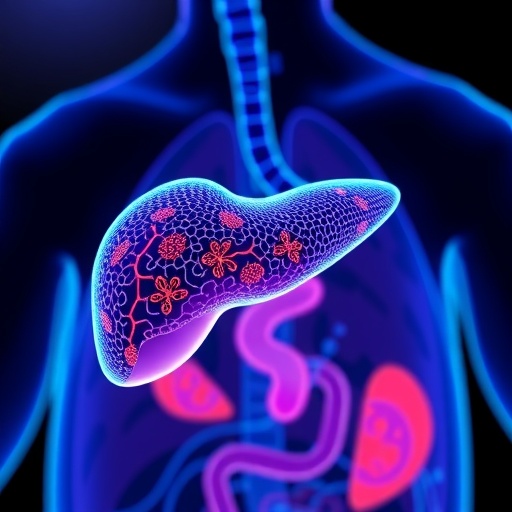
In a groundbreaking study published in Molecular Cancer, researchers led by Li, J., Huang, Y., and Li, J. have delved into the intricate mechanisms underlying metabolic reprogramming and its pivotal role in conferring resistance to multi-kinase inhibitors in hepatocellular carcinoma (HCC). The team’s discoveries highlight not only the complex interplay between metabolism and drug efficacy but also unveil new therapeutic avenues that could potentially enhance treatment outcomes for patients grappling with this aggressive form of cancer.
Hepatocellular carcinoma, the most frequent type of primary liver cancer, is notorious for its poor prognosis and high resistance to available treatments. A common approach in treating HCC involves the use of multi-kinase inhibitors, which target various signaling pathways essential for tumor growth and survival. However, the emergence of resistance remains a significant hurdle in effective treatment—a challenge that this research aims to address by examining the molecular mechanisms driving this phenomenon.
The study meticulously outlines how cancer cells can undergo metabolic reprogramming—a process wherein they alter their biochemical pathways to better survive and thrive in the presence of therapeutic agents. This reprogramming is often fueled by the cell’s need to adapt to changes in nutrient availability and the harsh tumor microenvironment, which can include limited oxygen and nutrient supply, contributing to significant alterations in their energy metabolism.
One critical finding of the research identifies the role of the Warburg effect, a well-documented phenomenon in cancer cells where they preferentially utilize glycolysis over oxidative phosphorylation for energy production, even in the presence of oxygen. This strategy allows tumor cells to rapidly proliferate and grow despite suboptimal conditions, leading to an enhanced resistance against multi-kinase inhibitors. The study provides compelling evidence that targeting metabolic pathways associated with the Warburg effect could yield a dual benefit: starve the tumor of its energy sources and sensitize cancer cells to therapeutic agents.
Moreover, the researchers dissect the role of specific metabolites and their associated pathways in mediating resistance to these multi-kinase inhibitors. For instance, they explore how alterations in lipid metabolism can influence the survival of HCC cells when exposed to anti-cancer therapies. By manipulating these metabolic pathways, the study suggests that it may be possible to render resistant tumors more susceptible to existing treatments, thereby improving patient outcomes.
In addition to metabolic alterations, the authors discuss the expression of certain oncogenes and tumor suppressor genes that play crucial roles in mediating resistance. These genetic factors can create an adaptive signaling network that enables HCC cells to circumvent the effects of drugs designed to inhibit tumor growth. The interplay between these genetic markers and metabolic pathways presents a complex landscape, which the researchers emphasize must be thoroughly understood to develop more effective therapeutic strategies.
To investigate these mechanisms further, the team employed a combination of in vitro and in vivo models of HCC, which allowed them to replicate the tumor microenvironment and observe the direct effects of metabolic reprogramming under drug exposure. The results highlight the necessity of using a multi-faceted approach that considers both metabolic and genetic factors when developing therapeutic strategies.
As the study progresses, the authors propose a strategic shift in how HCC is treated, advocating for a more integrated approach that combines multi-kinase inhibitors with agents that target metabolic pathways. This dual approach could potentially prevent or overcome resistance, thus enhancing therapeutic efficacy and providing better clinical outcomes for patients battling this form of cancer.
Furthermore, the researchers call for clinical trials aimed at evaluating the effectiveness of such combined therapies in patients with HCC. With the rising incidence of liver cancer globally, the implications of this research could be transformative, moving towards personalized medicine strategies that account for the unique metabolic profiles of individual tumors.
The insights garnered from this study not only pave the way for innovative therapies but also emphasize the importance of ongoing research into the molecular underpinnings of cancer. Understanding the intricacies of metabolic reprogramming is essential for harnessing new therapeutic opportunities and ultimately improving the survival rates of individuals diagnosed with hepatocellular carcinoma.
In conclusion, the research conducted by Li, Huang, and their team underscores the complexity of cancer biology, revealing how metabolic reprogramming can facilitate resistance to multi-kinase inhibitors in HCC. This work provides a critical foundation for future studies aimed at elucidating the multifactorial nature of cancer resistance and underscores the need for novel therapeutic strategies that integrate metabolic and genetic approaches to effectively combat this deadly disease.
The potential implications of this research extend beyond HCC, as understanding the role of metabolism in cancer could inform treatment strategies for various types of malignancies. This study not only highlights a pressing issue in oncology but also inspires a hopeful direction for future research, emphasizing that addressing the metabolic needs of cancer cells may well be key to overcoming therapeutic resistance in a broader spectrum of cancers.
As the landscape of cancer treatment continues to evolve, the findings presented here represent a significant leap toward a more comprehensive understanding of how metabolic dynamics influence therapeutic resistance. They remind us that innovative approaches are not just necessary but imperative in the ongoing fight against cancer.
With a focus on metabolic reprogramming, this study sets the stage for exciting developments in cancer therapy, urging researchers and clinicians alike to rethink conventional paradigms and explore the full potential of metabolic-targeted treatments.
This research is a stellar testament to the ongoing quest for personalized cancer therapies that truly address the complexities of tumor biology, aiming to provide patients with more effective treatment options and ultimately, hope for a better future.
Subject of Research: Metabolic reprogramming and its impact on resistance to multi-kinase inhibitors in hepatocellular carcinoma.
Article Title: Metabolic reprogramming-driven resistance to multi-kinase inhibitors in hepatocellular carcinoma: molecular mechanisms and therapeutic opportunities.
Article References:
Li, J., Huang, Y., Li, J. et al. Metabolic reprogramming-driven resistance to multi-kinase inhibitors in hepatocellular carcinoma: molecular mechanisms and therapeutic opportunities.
Mol Cancer (2026). https://doi.org/10.1186/s12943-026-02578-w
Image Credits: AI Generated
DOI: 10.1186/s12943-026-02578-w
Keywords: Hepatocellular carcinoma, multi-kinase inhibitors, metabolic reprogramming, therapeutic resistance, cancer metabolism.
Tags: adapting to tumor microenvironmentchallenges in liver cancer therapydrug efficacy and metabolismenhancing treatment outcomes in HCCHepatocellular carcinoma prognosisinnovative cancer treatment approachesmechanisms of resistance in hepatocellular carcinomametabolic reprogramming in cancer treatmentmolecular mechanisms of drug resistancemulti-kinase inhibitors in liver cancersignaling pathways in liver tumorstherapeutic strategies for liver cancer