• HOME
  • NEWS
  • EXPLORE
    • CAREER
      • Companies
      • Jobs
    • EVENTS
    • iGEM
      • News
      • Team
    • PHOTOS
    • VIDEO
    • WIKI
  • BLOG
  • COMMUNITY
    • FACEBOOK
    • INSTAGRAM
    • TWITTER
Wednesday, August 19, 2026
BIOENGINEER.ORG
No Result
View All Result
  • Login
  • HOME
  • NEWS
  • EXPLORE
    • CAREER
      • Companies
      • Jobs
        • Lecturer
        • PhD Studentship
        • Postdoc
        • Research Assistant
    • EVENTS
    • iGEM
      • News
      • Team
    • PHOTOS
    • VIDEO
    • WIKI
  • BLOG
  • COMMUNITY
    • FACEBOOK
    • INSTAGRAM
    • TWITTER
  • HOME
  • NEWS
  • EXPLORE
    • CAREER
      • Companies
      • Jobs
        • Lecturer
        • PhD Studentship
        • Postdoc
        • Research Assistant
    • EVENTS
    • iGEM
      • News
      • Team
    • PHOTOS
    • VIDEO
    • WIKI
  • BLOG
  • COMMUNITY
    • FACEBOOK
    • INSTAGRAM
    • TWITTER
No Result
View All Result
Bioengineer.org
No Result
View All Result
Home NEWS Science News Biology

OU study shows effects of climate warming in tallgrass prairie ecosystem

Bioengineer by Bioengineer
August 15, 2018
in Biology
Reading Time: 2 mins read
0
Share on FacebookShare on TwitterShare on LinkedinShare on RedditShare on Telegram
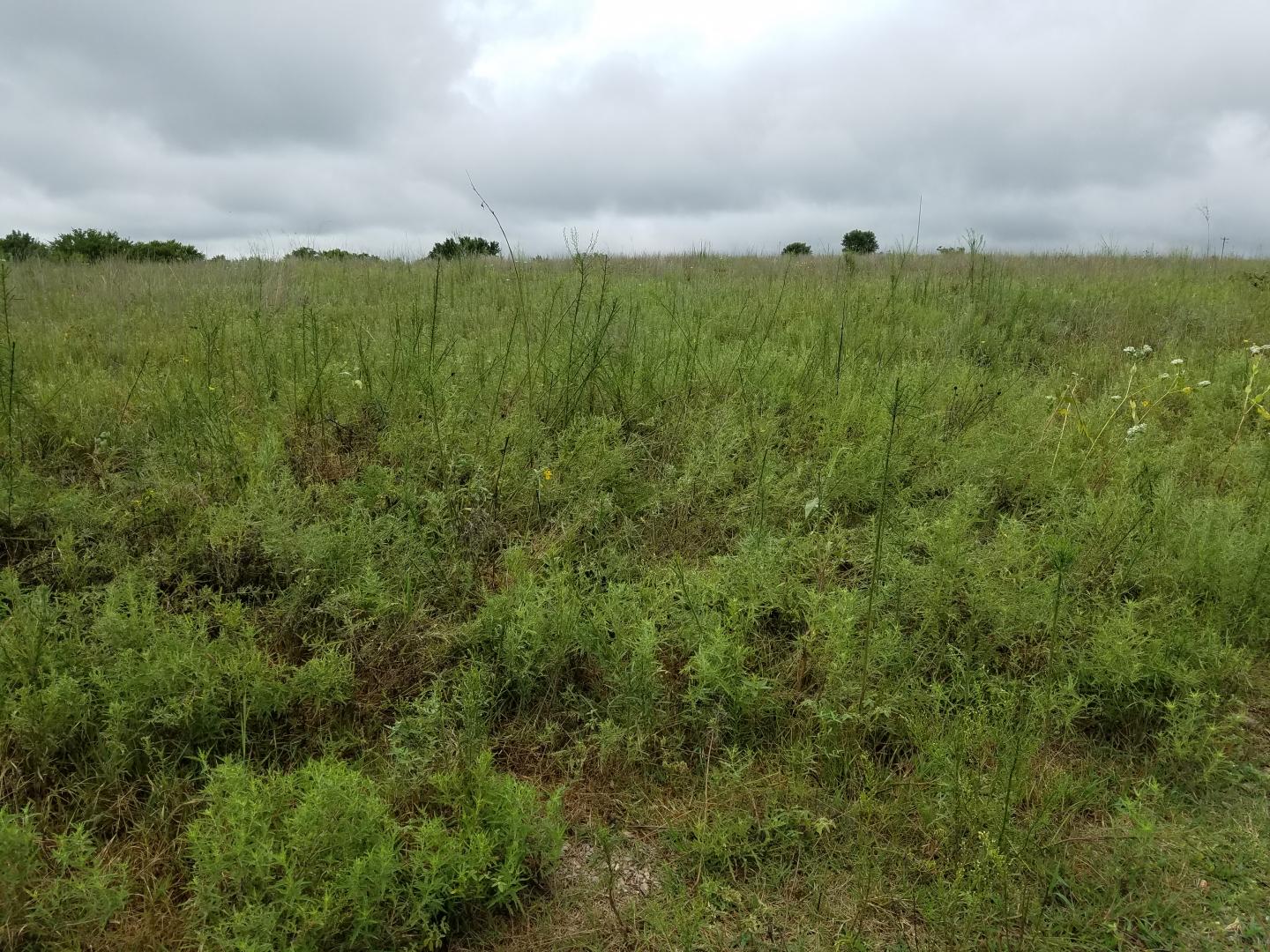
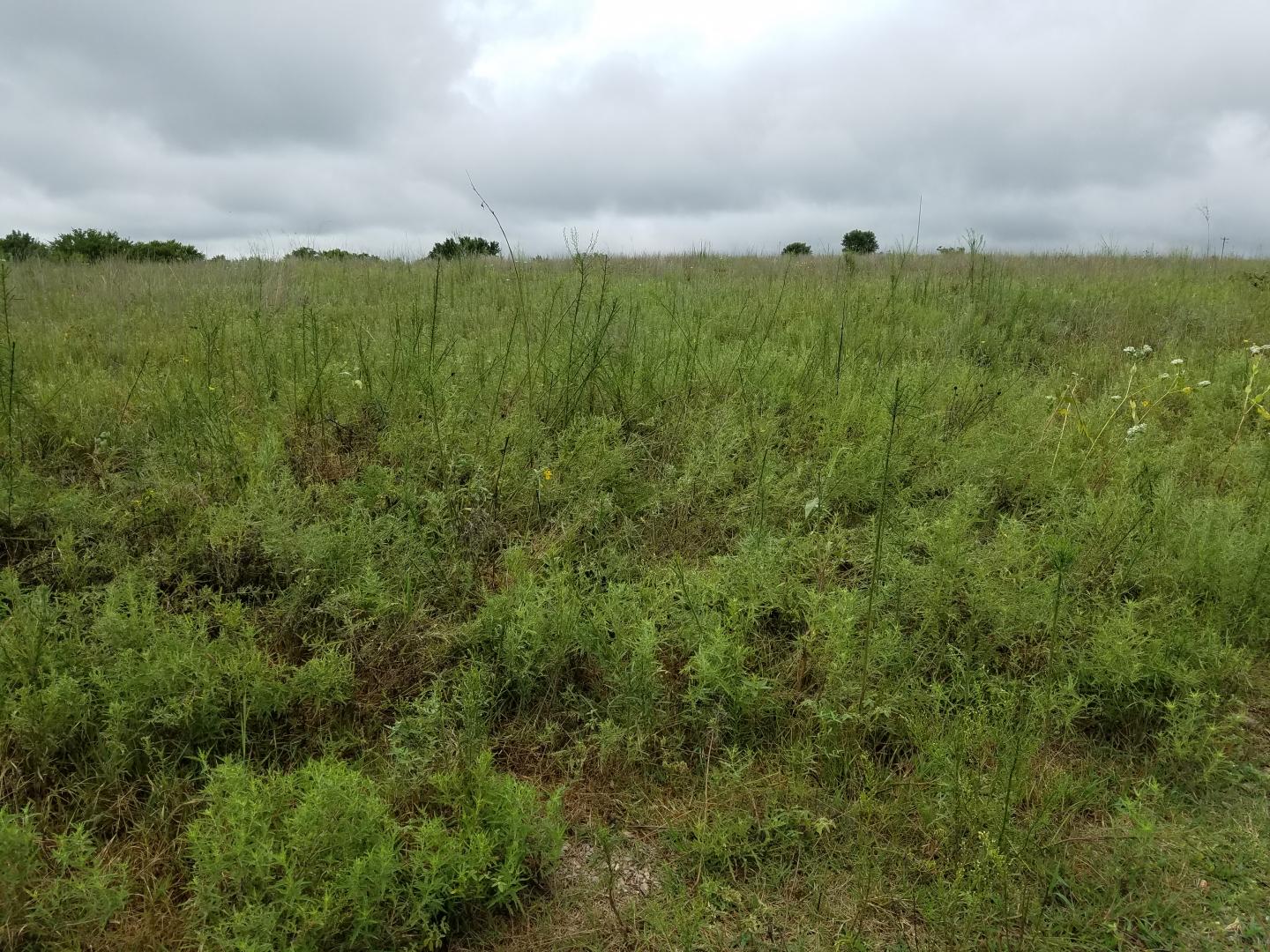
IMAGE

Credit: University of Oklahoma

A University of Oklahoma professor, Jizhong Zhou, and his team have completed a new study on the effects of climate warming on soil microbes in a long-term climate change experiment at a tallgrass prairie ecosystem. The new study shows that climate warming will affect microbial communities in the future, and future community states will be more predictable under warmed climate. Eventually, microbial communities will produce different functions and feedbacks to climate warming.

"Understanding the responses and adaptations of biological communities to environmental changes, especially anthropogenic changes, is very challenging. Our study is the first to demonstrate that environmental changes such as climate warming plays an important role in accelerating temporal turnover rates of soil bacterial and fungal communities, which are critical for predicting ecological consequences of future climate change," said Zhou, director, OU Institute for Environmental Genomics, and professor, OU College of Arts and Sciences.

Zhou and an OU team of researchers collaborated on this study with researchers from Central South University, Tsinghua University, China, and Michigan State University. The OU study is the first to document divergent succession of microbial communities under climate warming; and the first to demonstrate that experimental warming, acting as a filtering factor, reduces stochasticity and the drivers controlling community succession are dynamic rather than static in soil ecosystems.

###

This research is supported by the U.S. Department of Energy, Office of Science, Genomic Science Program, under award numbers DE-SC0004601 and DE-SC0010715. A new paper by Zhou and his team, "Climate warming leads to divergent succession of grassland microbial communities" is available in the online publication, Nature Climate Change. For more information about this study, contact Professor Zhou at [email protected].

Media Contact

Jana Smith
[email protected]
405-325-1322
@ouresearch

http://www.ou.edu

Original Source

https://bit.ly/2wexI

Share12Tweet8Share2ShareShareShare2

Related Posts

New Delivery Vehicle Advances Next-Generation mRNA Therapeutics

New Delivery Vehicle Advances Next-Generation mRNA Therapeutics

August 19, 2026
New necroferrins strategy simultaneously targets necroptosis and ferroptosis

New necroferrins strategy simultaneously targets necroptosis and ferroptosis

August 19, 2026

Flowering Plants’ Taxonomic Traits Reveal a Globally Consistent Biogeographic Pattern

August 19, 2026

Acoustic Tweezers Reveal Biomolecular Droplet Stiffness

August 19, 2026
Please login to join discussion

POPULAR NEWS

  • Recurrent Cystitis Linked to Urologic Cancer Risk in Nationwide Study

    29 shares
    Share 12 Tweet 7
  • On-Chip Nonvolatile All-Optical Accelerator for Residual Neural Networks

    29 shares
    Share 12 Tweet 7
  • Researchers uncover sex-based differences in liver structure and function

    29 shares
    Share 12 Tweet 7
  • Scientists synthesize pyrroles from isoxazoles through oxygen-to-carbon skeletal editing

    29 shares
    Share 12 Tweet 7

About

We bring you the latest biotechnology news from best research centers and universities around the world. Check our website.

Follow us

Recent News

Recurrent Cystitis Linked to Urologic Cancer Risk in Nationwide Study

On-Chip Nonvolatile All-Optical Accelerator for Residual Neural Networks

Researchers uncover sex-based differences in liver structure and function

Subscribe to Blog via Email

Enter your email address to subscribe to this blog and receive notifications of new posts by email.

Join 85 other subscribers
  • Contact Us

Bioengineer.org © Copyright 2023 All Rights Reserved.

Welcome Back!

Login to your account below

Forgotten Password?

Retrieve your password

Please enter your username or email address to reset your password.

Log In
No Result
View All Result
  • Homepages
    • Home Page 1
    • Home Page 2
  • News
  • National
  • Business
  • Health
  • Lifestyle
  • Science

Bioengineer.org © Copyright 2023 All Rights Reserved.