• HOME
  • NEWS
  • EXPLORE
    • CAREER
      • Companies
      • Jobs
    • EVENTS
    • iGEM
      • News
      • Team
    • PHOTOS
    • VIDEO
    • WIKI
  • BLOG
  • COMMUNITY
    • FACEBOOK
    • INSTAGRAM
    • TWITTER
Monday, July 6, 2026
BIOENGINEER.ORG
No Result
View All Result
  • Login
  • HOME
  • NEWS
  • EXPLORE
    • CAREER
      • Companies
      • Jobs
        • Lecturer
        • PhD Studentship
        • Postdoc
        • Research Assistant
    • EVENTS
    • iGEM
      • News
      • Team
    • PHOTOS
    • VIDEO
    • WIKI
  • BLOG
  • COMMUNITY
    • FACEBOOK
    • INSTAGRAM
    • TWITTER
  • HOME
  • NEWS
  • EXPLORE
    • CAREER
      • Companies
      • Jobs
        • Lecturer
        • PhD Studentship
        • Postdoc
        • Research Assistant
    • EVENTS
    • iGEM
      • News
      • Team
    • PHOTOS
    • VIDEO
    • WIKI
  • BLOG
  • COMMUNITY
    • FACEBOOK
    • INSTAGRAM
    • TWITTER
No Result
View All Result
Bioengineer.org
No Result
View All Result
Home NEWS Science News Biology

Organization for Tropical Studies and UConn to support tropical studies in Africa

Bioengineer by Bioengineer
September 25, 2019
in Biology
Reading Time: 2 mins read
0
IMAGE
Share on FacebookShare on TwitterShare on LinkedinShare on RedditShare on Telegram

IMAGE

Credit: Organization for Tropical Studies

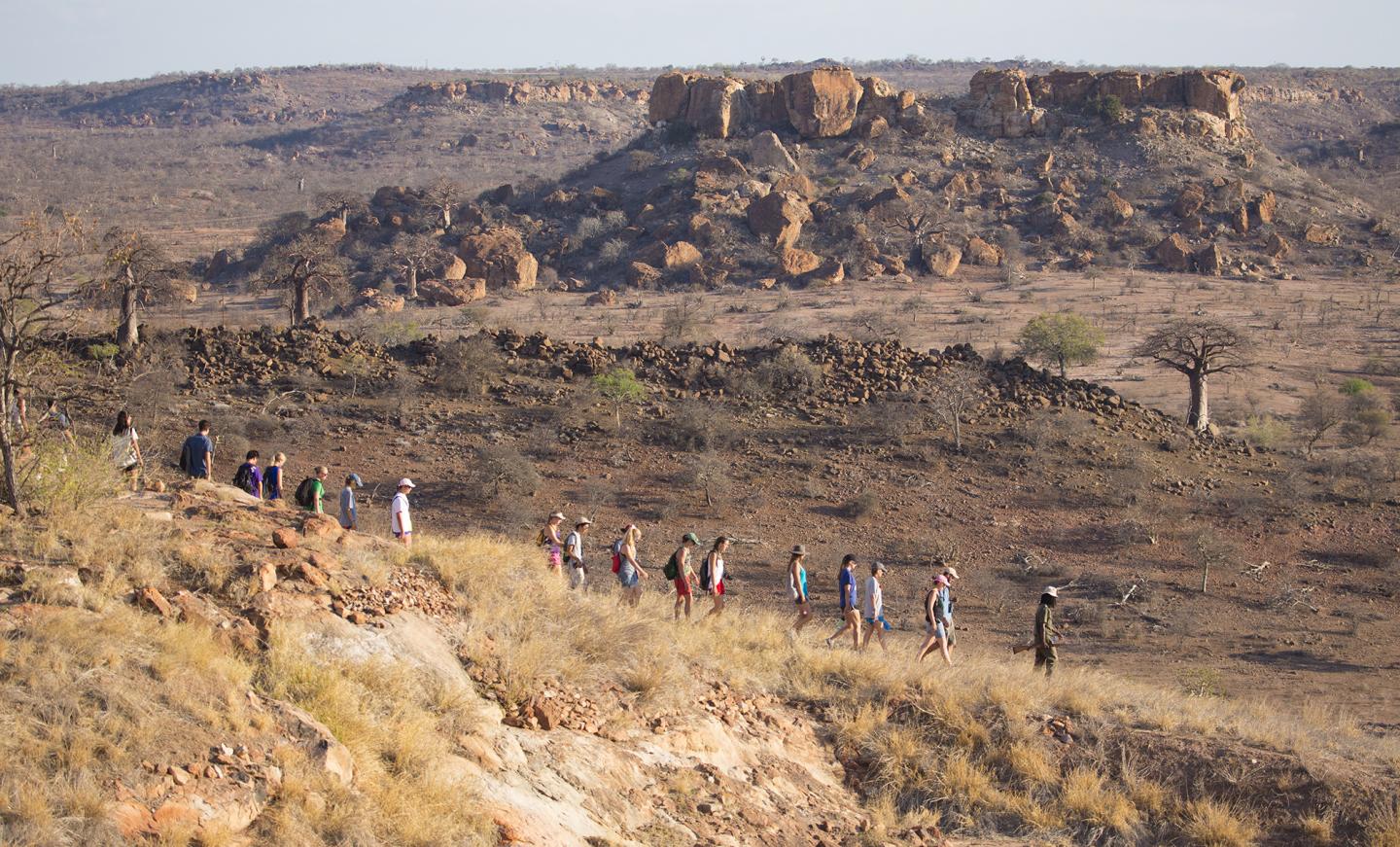
In partnership with the Organization for Tropical Studies, UConn will support a study abroad semester in South Africa’s Kruger National Park in January of 2020. The partnership follows from the more than 40-year history of UConn as a member of the tropical studies organization.

The venture is a collaboration among the newly-formed UConn Institute of the Environment, the Office of Global Affairs, and the Office of the Provost. With the collaboration, UConn becomes the official school of record for the program, which means that students from UConn and from around the world can take the courses for UConn credit.

Michael Willig, director of the Institute for the Environment, says the move is first in a number of steps to leverage UConn’s record of excellence in education and research, in combination with the Organization’s long-standing reputation for advancing integrated research and educational activities in the tropics and beyond.

“Anyone interested in South African ecosystems and culture should apply to this course,” said Willig, who is Board of Trustees Distinguished Professor of Ecology and Evolutionary Biology in the College of Liberal Arts and Sciences. “Students studying natural resources, ecology and evolutionary biology, geography, environmental sciences or studies, or geosciences would all greatly benefit from this experience.”

The education abroad experience, called the African Ecology and Conservation Semester Program, includes five courses: South African Ecosystems and Diversity; Conservation, Biodiversity, Management, and Protected Area Design in South Africa; Directed Field Experience; History of Southern Africa; and Supervised Field Work in South African History.

Courses represent a mix of lectures, skills workshops, fieldwork, and directed research, all based at the Skukuza field station within South Africa’s Kruger National Park. The courses are taught by professors and practitioners in land management and conservation. Students will earn 16 UConn credits for completion of the program.

###

Media Contact
Elaina Hancock
[email protected]

Original Source

https://today.uconn.edu/school-stories/uconn-offer-tropical-studies-courses-south-africa/

Tags: BiodiversityBiologyEcology/Environment
Share12Tweet8Share2ShareShareShare2

Related Posts

Here are a few rewritten headlines for a science magazine post, each with a slightly different tone: Intriguing & poetic: How do organs sculpt themselves? Sea stars hold the secret Direct & research-focused: Sea stars reveal the hidden rules of organ formation Metaphorical & inviting: Tiny architects beneath the waves: What sea stars teach us about building organs Short & punchy: Star-shaped clues to how our organs take shape Question-led: Could a sea star show us how organs form? Elegant & feature-style: The body’s blueprint, glimpsed in a sea star’s arm

July 6, 2026
Bacteria evolve faster with unconventional gene copies — Biology

Bacteria evolve faster with unconventional gene copies

July 6, 2026

Neighbours rewire soil feedback via root microbiome shifts

July 6, 2026

Evolution-Inspired Biosensors Revolutionize Lipid Tracking in Real Time

July 2, 2026
Please login to join discussion

POPULAR NEWS

  • Detection of EDCs in Breast Milk and Infant Urine Up to Six Months Highlights Early Exposure Risks

    77 shares
    Share 31 Tweet 19
  • New Drug Candidate Developed at McMaster Shows Potential for Treating Brain Cancer

    58 shares
    Share 23 Tweet 15
  • Saying Goodbye to PGY-6: Pediatric Fellowship Realities

    103 shares
    Share 41 Tweet 26
  • KTU Researchers Explore Ultrasound’s Role in Enhancing Blood Flow Beyond Diagnostics

    53 shares
    Share 21 Tweet 13

About

We bring you the latest biotechnology news from best research centers and universities around the world. Check our website.

Follow us

Recent News

Salmonella protein SopB curbs early inflammation to slow disease progression

Multi-metal cooperation drives lung cancer chemoresistance, reversed by MiADMSA

Softness-driven cancer stem cells reprogrammed to defeat solid tumor resistance

Subscribe to Blog via Email

Enter your email address to subscribe to this blog and receive notifications of new posts by email.

Join 83 other subscribers
  • Contact Us

Bioengineer.org © Copyright 2023 All Rights Reserved.

Welcome Back!

Login to your account below

Forgotten Password?

Retrieve your password

Please enter your username or email address to reset your password.

Log In
No Result
View All Result
  • Homepages
    • Home Page 1
    • Home Page 2
  • News
  • National
  • Business
  • Health
  • Lifestyle
  • Science

Bioengineer.org © Copyright 2023 All Rights Reserved.