

• HOME
  • NEWS
  • EXPLORE
    • CAREER
      • Companies
      • Jobs
    • EVENTS
    • iGEM
      • News
      • Team
    • PHOTOS
    • VIDEO
    • WIKI
  • BLOG
  • COMMUNITY
    • FACEBOOK
    • INSTAGRAM
    • TWITTER
Thursday, October 29, 2026
BIOENGINEER.ORG
No Result
View All Result
  • Login
  • HOME
  • NEWS
  • EXPLORE
    • CAREER
      • Companies
      • Jobs
        • Lecturer
        • PhD Studentship
        • Postdoc
        • Research Assistant
    • EVENTS
    • iGEM
      • News
      • Team
    • PHOTOS
    • VIDEO
    • WIKI
  • BLOG
  • COMMUNITY
    • FACEBOOK
    • INSTAGRAM
    • TWITTER
No Result
View All Result
Bioengineer.org
No Result
View All Result
Home NEWS Science News Health

Oral microbiome linked to postoperative delirium after head and neck cancer surgery

by
October 29, 2026
in Health
Reading Time: 2 mins read
0
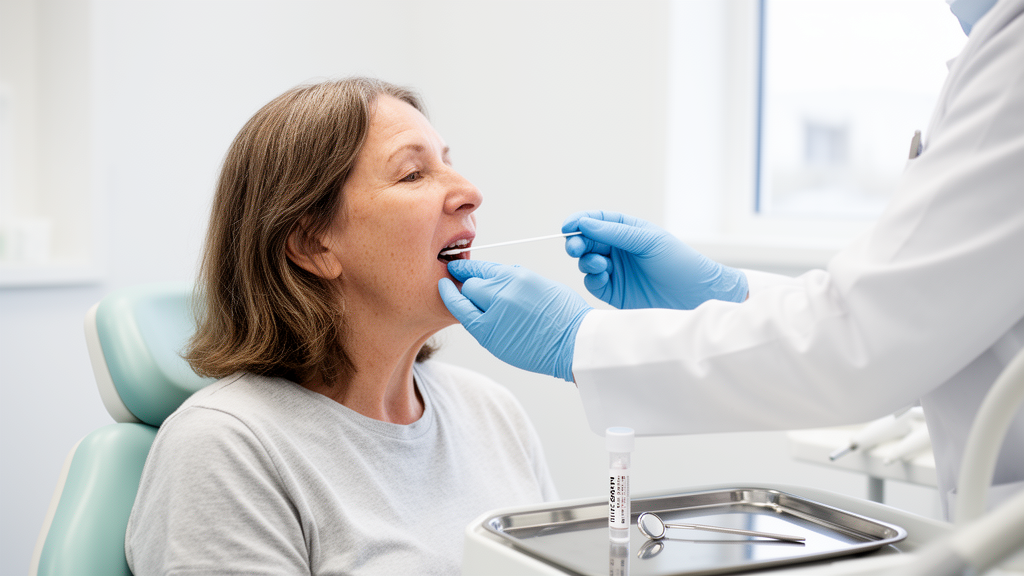
Oral microbiome linked to postoperative delirium after head and neck cancer surgery

Oral microbiome linked to postoperative delirium after head and neck cancer surgery

Share on FacebookShare on TwitterShare on LinkedinShare on RedditShare on Telegram

Patients with oral squamous cell carcinoma who developed delirium after surgery showed a different preoperative oral microbiome than those who did not, according to an exploratory study published in Translational Psychiatry. The researchers analysed preoperative oral rinse samples from 181 patients undergoing major head and neck cancer surgery, of whom 27 developed postoperative delirium, using 16S rRNA gene sequencing to characterise bacterial communities.

Patients who developed delirium had lower microbial richness, measured by the Observed and Chao1 indices, indicating fewer distinct bacterial types in their mouths before surgery. Overall community composition also differed significantly between the groups, as shown by Canberra and unweighted UniFrac distance measures, which compare both the abundance and evolutionary relatedness of microbial species.

Differential abundance analysis identified two genera associated with delirium before statistical adjustment for clinical factors, and 15 genera after adjustment. Among the adjusted findings, the delirium group showed higher abundances of Haemophilus and Neisseria. Functional prediction of the microbial genomes suggested higher activity in glycerophospholipid and nitrogen metabolism pathways in the delirium group, and analyses stratified by intensive care unit length of stay revealed additional pathway differences between the groups.

The authors emphasise that this is an exploratory study: the results are preliminary and require validation in independent cohorts and longitudinal studies before any conclusions can be drawn about cause and effect. The findings indicate an association between preoperative oral microbiome composition and postoperative delirium in this patient population, but they do not establish that the microbiome causes delirium.

Postoperative delirium is a common complication after major head and neck cancer surgery, and its relationship with the preoperative oral microbiome had remained unclear. By profiling oral bacteria before surgery and adjusting for relevant clinical factors, the study provides a first map of which microbial features distinguish patients who later develop delirium, offering a basis for future confirmatory research.

Subject of Research: The association between preoperative oral microbiome profiles and postoperative delirium in patients with oral squamous cell carcinoma

Article Title: Exploring the relationship between oral microbiome and postoperative delirium in patients with oral squamous cell carcinoma

Article References: Hung, S. Y., Chang, K.-P., Chu, C.-L., Chen, Y.-L., Lin, S.-H., Lee, C.-Y., Yang, C. Y., & Fu, S.-C. (2026). Exploring the relationship between oral microbiome and postoperative delirium in patients with oral squamous cell carcinoma. Translational Psychiatry. https://doi.org/10.1038/s41398-026-04489-2

Image Credits: AI Generated

DOI: 10.1038/s41398-026-04489-2

Keywords: oral microbiome, postoperative delirium, oral squamous cell carcinoma, 16S rRNA sequencing, head and neck surgery, microbial diversity, Haemophilus, Neisseria, Translational Psychiatry, exploratory study, Exploring, relationship

News Source: Morgan Morrow. (October 29, 2026). Oral microbiome linked to postoperative delirium after head and neck cancer surgery. Scienmag.
Tags: 16S rRNA sequencingexploratory studyExploringHaemophilushead and neck surgerymicrobial diversityNeisseriaoral microbiomeOral squamous cell carcinomapostoperative deliriumrelationshipTranslational Psychiatry
Share12Tweet7Share2ShareShareShare1

Related Posts

Iron Deficiency Tied to Higher Blood Lead and Behaviour Problems in Children

Iron Deficiency Tied to Higher Blood Lead and Behaviour Problems in Children

October 29, 2026
Positron emission mammography outperforms standard imaging in mapping newly diagnosed breast cancer

Positron emission mammography outperforms standard imaging in mapping newly diagnosed breast cancer

October 29, 2026

Poor Blood Sugar Control in Pregnancy Linked to Worse Postpartum Metabolic Health

October 29, 2026

Endoscopic Microvascular Decompression Shows Possible Edge Over Microscopic Surgery

October 29, 2026

POPULAR NEWS

  • Terbium-161 Shows Dose-Dependent Edge Over Lutetium-177 in Mouse Neuroendocrine Tumor Model

    Terbium-161 Shows Dose-Dependent Edge Over Lutetium-177 in Mouse Neuroendocrine Tumor Model

    29 shares
    Share 12 Tweet 7
  • Gas Drainage Lags Pressure Relief by 151.6 Metres in Deep Protective Seam Mining

    29 shares
    Share 12 Tweet 7
  • African Wild Lettuce Shows Anticancer Activity in Lab Studies, Review Finds

    29 shares
    Share 12 Tweet 7
  • SLC7A5 emerges as a central player in cancer amino acid metabolism

    29 shares
    Share 12 Tweet 7

About

We bring you the latest biotechnology news from best research centers and universities around the world. Check our website.

Follow us

Recent News

Traditional Chinese Medicine Formula Kangxianling Shows Anti-Fibrosis Effects in Rats by Suppressing Ferroptosis

Iron Deficiency Tied to Higher Blood Lead and Behaviour Problems in Children

Positron emission mammography outperforms standard imaging in mapping newly diagnosed breast cancer

Subscribe to Blog via Email

Enter your email address to subscribe to this blog and receive notifications of new posts by email.

Join 85 other subscribers
  • Contact Us

Bioengineer.org © Copyright 2023 All Rights Reserved.

Welcome Back!

Login to your account below

Forgotten Password?

Retrieve your password

Please enter your username or email address to reset your password.

Log In
No Result
View All Result
  • Homepages
    • Home Page 1
    • Home Page 2
  • News
  • National
  • Business
  • Health
  • Lifestyle
  • Science

Bioengineer.org © Copyright 2023 All Rights Reserved.
