• HOME
  • NEWS
  • EXPLORE
    • CAREER
      • Companies
      • Jobs
    • EVENTS
    • iGEM
      • News
      • Team
    • PHOTOS
    • VIDEO
    • WIKI
  • BLOG
  • COMMUNITY
    • FACEBOOK
    • INSTAGRAM
    • TWITTER
Wednesday, July 22, 2026
BIOENGINEER.ORG
No Result
View All Result
  • Login
  • HOME
  • NEWS
  • EXPLORE
    • CAREER
      • Companies
      • Jobs
        • Lecturer
        • PhD Studentship
        • Postdoc
        • Research Assistant
    • EVENTS
    • iGEM
      • News
      • Team
    • PHOTOS
    • VIDEO
    • WIKI
  • BLOG
  • COMMUNITY
    • FACEBOOK
    • INSTAGRAM
    • TWITTER
  • HOME
  • NEWS
  • EXPLORE
    • CAREER
      • Companies
      • Jobs
        • Lecturer
        • PhD Studentship
        • Postdoc
        • Research Assistant
    • EVENTS
    • iGEM
      • News
      • Team
    • PHOTOS
    • VIDEO
    • WIKI
  • BLOG
  • COMMUNITY
    • FACEBOOK
    • INSTAGRAM
    • TWITTER
No Result
View All Result
Bioengineer.org
No Result
View All Result
Home NEWS Science News Biology

Older and richer: Old grasslands show high biodiversity and conservation value

Bioengineer by Bioengineer
September 10, 2020
in Biology
Reading Time: 2 mins read
0
IMAGE
Share on FacebookShare on TwitterShare on LinkedinShare on RedditShare on Telegram

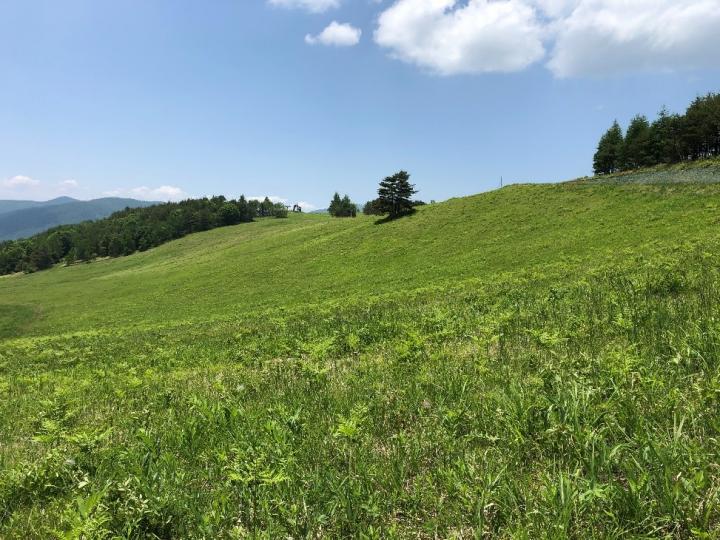
Researchers from the University of Tsukuba and Kobe University find that the sustained, long-term continuity of grasslands increases plant species diversity and can indicate grasslands of high conservation priority
IMAGE

Credit: University of Tsukuba

Tsukuba, Japan – “The grass is always greener on the other side,” as the saying goes, but in this case, it’s more diverse. Researchers from Japan have discovered that old grasslands have higher plant diversity than new ones, and that grassland longevity can be an indicator of high conservation priority.

In a study published this month in Ecological Research as online version, researchers from the University of Tsukuba have revealed that the longer grasslands have been around, the higher their plant diversity, and the more likely they are to be of high conservation priority.

Grasslands can be classified as natural (existing in natural climatic conditions and disturbance systems) or seminatural (maintained by artificial disturbances such as pasturing, fire or mowing). Seminatural grasslands are ecosystems with rich biodiversity. Unfortunately, both types of grasslands are declining globally.

“There’s an urgent need to identify grasslands of high conservation priority,” says lead author of the study Taiki Inoue. “The results of a growing number of recent studies show that vegetation history affects current biological communities. The aim of our study was to evaluate whether the uninterrupted continuity of grasslands through time promotes biodiversity, and therefore can be an indicator of conservation priority.”

To do this, the researchers investigated plant communities in old (160-1000+ years) and new (52-70 years after deforestation) seminatural grasslands, as well as in forests, in highland areas of central Japan. Geographical information system (GIS) data were constructed using aerial photos and past maps to judge the vegetation history of these ecosystems.

“Old grasslands had the highest number of plant species, followed by new grasslands and forests,” explains Professor Tanaka Kenta, senior author. “This pattern was much clearer in the number of native and endangered species dependent on grasslands, indicating the role of old grasslands as refuges for those species.”

Old and new grasslands also differed in species composition, with the composition of new grasslands ranging between that of old grasslands and forests. This suggests that new grasslands continue to be affected by past forestation more than 52 years after deforestation. Old grasslands were found to have eleven indicator species, with none found in new grasslands, revealing that the plant community in old grasslands was unique.

“Our findings indicate that grasslands that have been around for a long time are where conservation effort should be focused,” says Inoue.

Future studies investigating the effect of vegetation history on the current biodiversity of grassland plant species will improve understanding of how biological communities are formed, and will be key to allocating conservation priority.

###

Media Contact
Naoko Yamashina
[email protected]

Related Journal Article

http://dx.doi.org/10.1111/1440-1703.12169

Tags: BiodiversityBiologyEcology/EnvironmentPlant Sciences
Share12Tweet8Share2ShareShareShare2

Related Posts

The concealed geometry behind breeding constraints

The concealed geometry behind breeding constraints

July 18, 2026
Organic fertilizer helps biochar immobilize cadmium in contaminated soil

Organic fertilizer helps biochar immobilize cadmium in contaminated soil

July 18, 2026

Asteroid impact may have reshaped tuna evolution alongside dinosaur extinction

July 18, 2026

Wild snapdragons subtly change color to attract bees

July 17, 2026
Please login to join discussion

POPULAR NEWS

  • Groundbreaking Discovery: New Shark Species Identified for the First Time — Technology and Engineering

    Groundbreaking Discovery: New Shark Species Identified for the First Time

    34 shares
    Share 14 Tweet 9
  • Controlled Study Defines Pediatric Long COVID Features

    32 shares
    Share 13 Tweet 8
  • Behavioral Nudge Boosts Medication Prescriptions for Alcohol Reduction

    35 shares
    Share 14 Tweet 9
  • Clean Cooking and Remittances Slash Somalia’s Ecological Footprints

    31 shares
    Share 12 Tweet 8

About

We bring you the latest biotechnology news from best research centers and universities around the world. Check our website.

Follow us

Recent News

Sleep Quality Links Synergistically with Frailty to Increase Cardiometabolic Multimorbidity in Elderly Chinese

Cognitive reserve helps older adults resist frailty and recover better

Physical Activity and Health Inequality in China’s Older Adults

Subscribe to Blog via Email

Success! An email was just sent to confirm your subscription. Please find the email now and click 'Confirm' to start subscribing.

Join 85 other subscribers
  • Contact Us

Bioengineer.org © Copyright 2023 All Rights Reserved.

Welcome Back!

Login to your account below

Forgotten Password?

Retrieve your password

Please enter your username or email address to reset your password.

Log In
No Result
View All Result
  • Homepages
    • Home Page 1
    • Home Page 2
  • News
  • National
  • Business
  • Health
  • Lifestyle
  • Science

Bioengineer.org © Copyright 2023 All Rights Reserved.