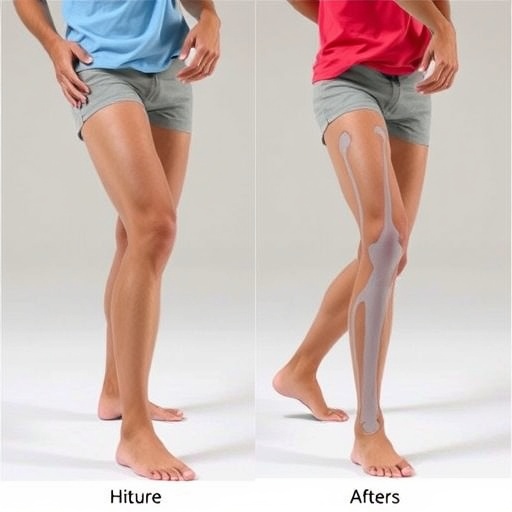
A new study is turning attention to a subtle mix of joint function that may help explain why some older adults are more likely to fall. Researchers compared hip abduction range of motion and strength, alongside ankle dorsiflexion ability, in seniors with a history of falls and in those without such history.
The work centers on the biomechanical idea that stability during stance and stepping depends on coordinated control from the pelvis to the foot. Hip abduction supports lateral pelvic alignment and influences how weight shifts over one leg. If that strength or movement capacity is reduced, compensations can increase instability. Meanwhile, ankle dorsiflexion affects the ability to keep the knee progressing appropriately over the foot during gait.
To test these relationships, the team measured hip abduction motion and muscular capacity, then assessed ankle dorsiflexion range in older participants. By pairing these metrics within the same cohort, the researchers aimed to detect whether fall history aligns with specific functional limits across multiple joints rather than a single impairment.
The findings suggest that older adults with prior falls may show measurable differences in hip abduction performance and ankle dorsiflexion compared with peers who have not fallen. Such patterns point toward an interlinked “mobility–strength–control” chain that could degrade balance responses during daily activities.
From a clinical perspective, the study provides a practical framework: fall risk assessment might benefit from looking beyond fear of falling or general balance testing alone. Targeted evaluations of hip abduction capacity and ankle mobility could reveal modifiable constraints.
The implications are significant for rehabilitation design. If hip and ankle impairments act together to challenge postural control, training programs that combine hip strengthening with ankle dorsiflexion-focused mobility work may be more effective than approaches aimed at a single site.
In viral science news terms, this research adds a compelling new angle to a familiar public concern: falls. It also emphasizes that “prevention” can be grounded in measurable biomechanics, potentially enabling earlier intervention before falls occur.
This study was published in BMC Geriatr and is indexed under DOI link provided by the authors.
Subject of Research: Falls risk biomechanics in older adults (hip abduction and ankle dorsiflexion)
Article Title: Comparison of hip abduction range of motion and strength and ankle dorsiflexion in older adults with and without a history of falls.
Article References: Al-Sayyid Salman, Z.A.A.N., Roshani, S. Comparison of hip abduction range of motion and strength and ankle dorsiflexion in older adults with and without a history of falls. BMC Geriatr (2026). https://doi.org/10.1186/s12877-026-07940-7
Image Credits: AI Generated
DOI: 10.1186/s12877-026-07940-7
Keywords: Falls; hip abduction; dorsiflexion; older adults; range of motion; strength
Tags: age-related decline in joint flexibilityankle dorsiflexion and fall preventionbiomechanical factors in elderly fallsfall history and biomechanical deficitsgait stability and lower limb flexibilityhip abduction strength in seniorsimpact of joint range of motion on fall riskjoint mobility and balance in older adultslower limb muscle function in seniorsmobility control and fall prevention strategiesOlder adults fall riskpelvic stability and fall susceptibility